
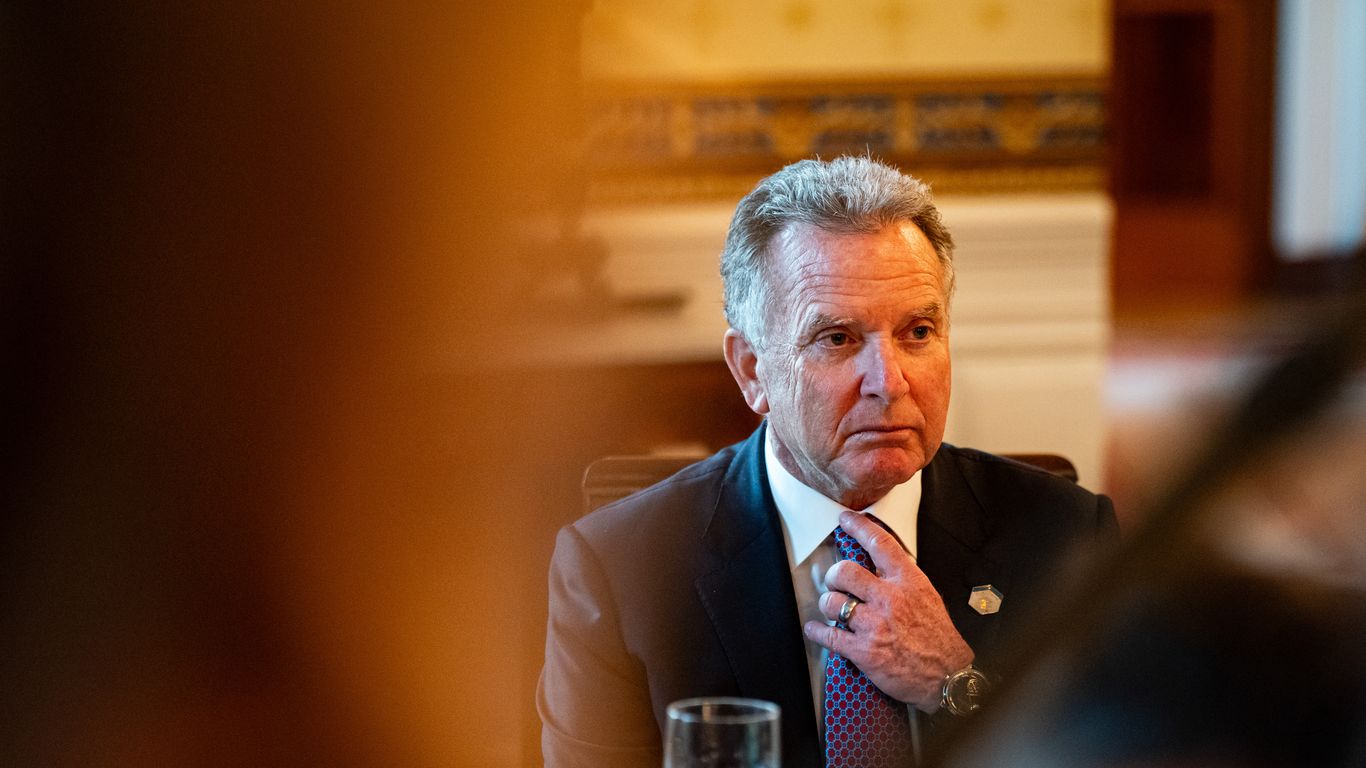
The recent diplomatic engagement between two nations aimed at addressing pressing issues was initially scheduled to begin on Friday. However, unforeseen circumstances led to the postponement of these crucial talks. This development raises questions about the complexities involved in international negotiations and the significance of these discussions for both parties.
Background of the Negotiations
The upcoming negotiations hold critical importance for both countries, addressing issues ranging from trade relations to security concerns. The framework for these talks was built over months of preparation and dialogue, highlighting the intricate dance of diplomacy. Various stakeholders are keenly observing how these negotiations might unfold, given the historical context and the stakes involved.
The talks were expected to focus on several key areas of mutual interest, including economic cooperation and geopolitical stability. As nations grapple with domestic challenges and global shifts, negotiations like these play a pivotal role in shaping future relations. The postponement adds an element of uncertainty, prompting analysts to speculate on the motivations behind this delay and its potential impact.
Impact of the Postponement
The delayed start of the talks introduces a layer of unpredictability that could affect both countries’ strategic planning. Timing is often crucial in diplomacy, and the extended wait may lead to increased tensions or missed opportunities for collaboration. Experts suggest that the postponement could result in shifts in public sentiment, affecting policymakers’ decisions in both nations.
Additionally, the postponement has implications for global observers and allied nations. Other countries closely aligned with either party will likely reassess their strategies as they monitor the evolving situation. The ripple effects could influence regional dynamics, trade agreements, and security pacts, emphasizing the interconnectedness of modern international relations.
Looking Ahead: What to Expect
Looking beyond the postponement, it remains essential to consider how the next steps will shape future relations. When the negotiations do resume, the agenda will likely be extensive, requiring participants to navigate a myriad of complex issues. Building consensus among diverse stakeholders will be vital, as both nations seek to balance national interests with global responsibilities.
Moreover, public perception will play an influential role as the negotiations advance. Transparency and communication will be critical in maintaining public support, especially given the challenges both nations face domestically. The involvement of media and civil society could influence the dialogue process, either positively or negatively.
In conclusion, while the postponement of these talks introduces a layer of uncertainty, it also presents an opportunity for both nations to recalibrate their approaches. As we await the new schedule for these crucial discussions, the international community remains hopeful that the outcome will foster a more stable and cooperative relationship. The pathway to understanding and collaboration is often fraught with obstacles, but the potential rewards encourage perseverance in pursuit of peace and progress.