
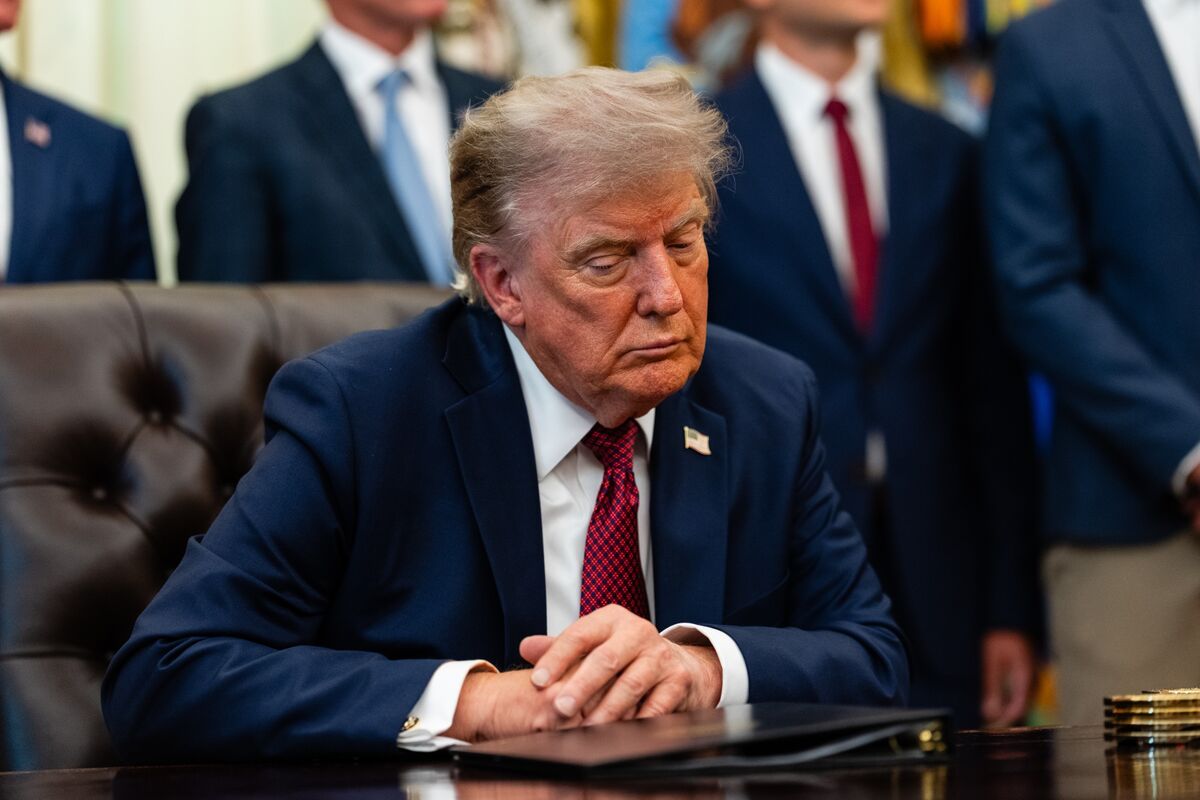
The current landscape of governance reveals a clear shift in the pace at which the president is approaching his key initiatives. After an intensive focus on his agenda during the early stages of his second term, he now appears to be navigating his signature policies more cautiously. Several factors contribute to this measured pace, from political dynamics to external pressures, significantly influencing the administration’s approach.
The Cautious Approach to Policy Implementation
As the administration delves deeper into its second term, a noticeable change in strategy has emerged. The initial fervor to push through ambitious proposals has given way to a more methodical style of governance. This evolution may not be entirely by choice; various circumstances have led to this careful consideration. Political headwinds and opposition have necessitated a re-evaluation of the previous rush to legislate. The administration is now faced with the task of ensuring that its policies are not only ambitious but also politically viable, leading to a more cautious approach.
Political Dynamics and External Challenges
Political adversities have not only slowed the pace but also reshaped the administration’s policy focus. Both domestic and international challenges have raised critical questions about priorities. The administration must balance a myriad of pressing issues—ranging from economic recovery to climate policies—while also being mindful of public sentiment and approval ratings. As a result, strategic decision-making has become imperative, compelling the president to weigh each initiative’s potential impact carefully.
External factors, such as global economic fluctuations and international relations, also play a role in how policies are formulated and implemented. A rapidly changing world demands that those in power remain agile, ready to reassess or pivot strategies based on new developments. The interplay of these dynamics can significantly influence the timeline and effectiveness of the administration’s signature initiatives.
Public Sentiment and Its Influence
Another essential aspect contributing to this cautious approach is the attention paid to public opinion. As the administration seeks to solidify its legacy, leaders are increasingly aware that public approval is a crucial element of successful governance. This awareness is reshaping not just the speed but also the nature of the proposals being put forth. Policies that may have previously seemed straightforward are now scrutinized through the lens of potential public reception, further complicating the implementation process.
The response from constituents can sway policy decisions, leading to adjustments that align with the electorate’s evolving needs and priorities. Such sensitivity to public opinion often results in a slower, more deliberate process, as leaders strive to craft proposals that resonate with a diverse audience. Ultimately, ensuring alignment with public sentiments will be vital for gaining support for future initiatives.
Implications for Future Governance
As the president navigates these complexities, the implications for future governance are substantial. The current deliberative phase may yield more robust policies that reflect a comprehensive understanding of the various stakeholders involved. However, this does come with the risk of missing critical opportunities for quick advancements on key issues. The balance between action and careful consideration is one that requires astute political acumen and foresight.
Moving forward, the administration will need to continue striking a delicate balance between ambition and caution to achieve meaningful change. As it grapples with these challenges, the outcome will rely heavily on strategic foresight and the ability to respond effectively to both political and public demands. The evolution of the president’s approach serves as a pivotal case study in modern governance, highlighting the complexities of leadership in an increasingly polarized political climate. The road ahead is one of careful navigation, requiring both patience and precision to achieve the desired outcomes.