
Negotiations and Tensions: Trump’s Approach to Iran
In recent developments regarding U.S.-Iran relations, President Donald Trump has expressed cautious optimism about ongoing talks with Iran. While he acknowledges the potential for a diplomatic resolution, he simultaneously warns that military action remains on the table if negotiations do not yield favorable results. This dual approach underscores the complexities surrounding U.S. involvement in the region.
Trump’s Stance on Iran Negotiations
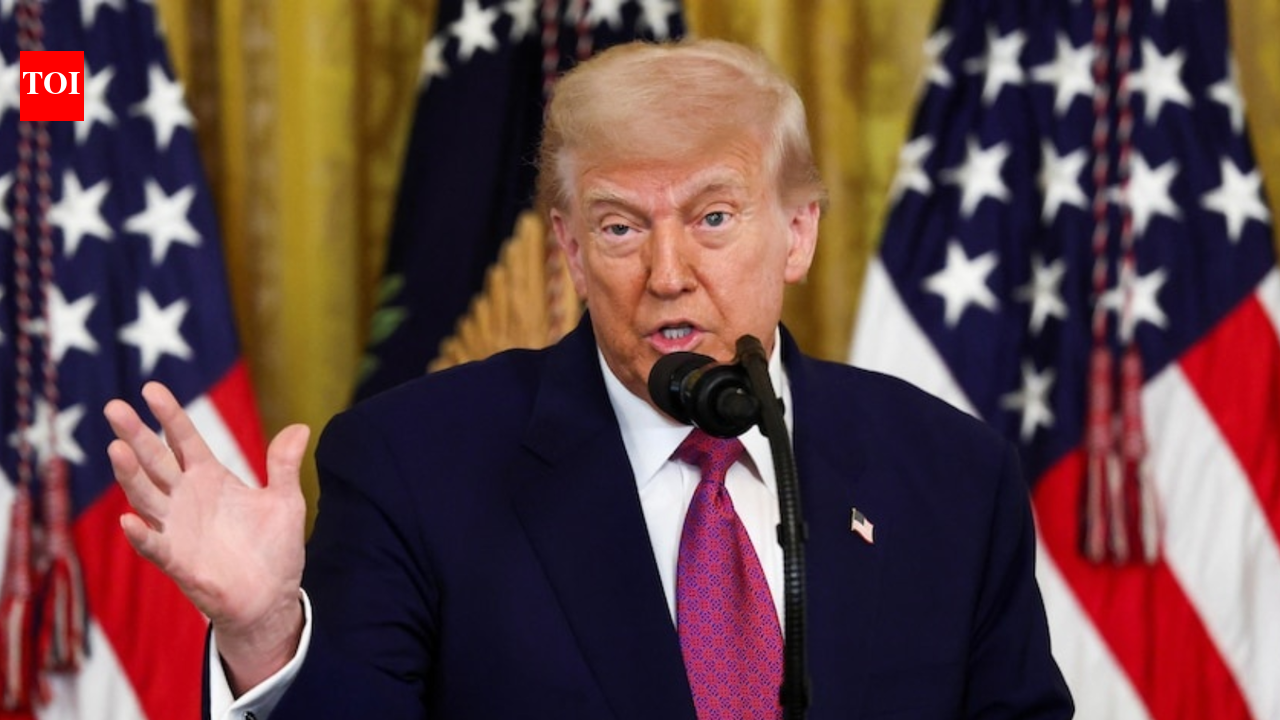
During a press briefing, Trump indicated that the discussions with Iran are progressing positively, suggesting that there may be a possibility of reaching a deal. However, he clarified that if these negotiations fail, the United States is prepared to revert to previous military strategies. “I think there’s a good chance that something could happen, and if it does, good; if it doesn’t, we go back to doing what we were doing two days ago,” he stated. This willingness to switch strategies suggests a tactical flexibility aimed at either achieving peace or maintaining U.S. interests through military strength.
At a recent rally in Michigan, Trump adopted a more aggressive tone, claiming that traditional incentives would not be enough to influence Iran’s behavior. “You can’t bribe them. You’ve got to beat them,” he asserted, emphasizing a strong military posture while indicating that amicable discussions are ongoing. This bifurcated messaging reflects the delicacy of the diplomatic landscape, where the U.S. must balance negotiation and deterrence.
Regional Tensions Persist
Despite the glimmers of hope for diplomacy, tensions in the region remain palpable. Saudi Arabia, Jordan, and Iraq reported drone attacks, which signal that hostilities have not entirely waned, even with the recent pause in U.S. bombing campaigns. On Saturday, Trump ordered a halt to a two-week air offensive against Iran, marking a surprising shift in U.S. military strategy. Iran claimed that it has not abandoned diplomatic avenues but denied seeking direct talks with Washington.
Iran’s Foreign Ministry spokesperson labeled reports of an official request for negotiations as “fabricated,” reinforcing the notion that miscommunications can exacerbate existing tensions. Meanwhile, incidents such as drone interceptions targeting Saudi petrochemical facilities illustrate how conflicts can escalate despite efforts at negotiation. Iran also accused the U.S. of imposing threats and illegal blockades in Iranian waters, heightening concerns of further confrontation.
Implications for Oil Prices and Domestic Politics
The fluctuating military actions and Trump’s remarks prompted a significant decline in global oil prices, with U.S. crude decreasing by over eight percent. This financial impact serves as a reminder of the interconnectedness of geopolitical issues and the global economy. Additionally, the ongoing conflict is becoming increasingly politicized within the U.S., especially with midterm elections approaching. A recent poll indicated a modest rise in Trump’s approval rating, yet many Americans expressed uncertainty and concern over the military campaign against Iran.
While Trump’s decision to suspend air strikes followed military advice that indicated a depletion of viable targets, he rejected claims that the U.S. faces ammunition shortages, asserting that supplies could be replenished rapidly. The conflict stems from a series of escalations, including U.S. strikes in retaliation for Iranian attacks on commercial shipping. Both countries continue to navigate strained relations, and misunderstandings surrounding navigational rights in the strategically vital Strait of Hormuz exacerbate these complexities.
In this charged atmosphere, diplomatic efforts will be critical in mitigating tensions. However, Trump’s aggressive rhetoric suggests a readiness to engage militarily if the situation does not improve. Ultimately, the outcomes of these negotiations and the responses to ongoing provocations could shape not only U.S.-Iran relations but also broader regional stability.