
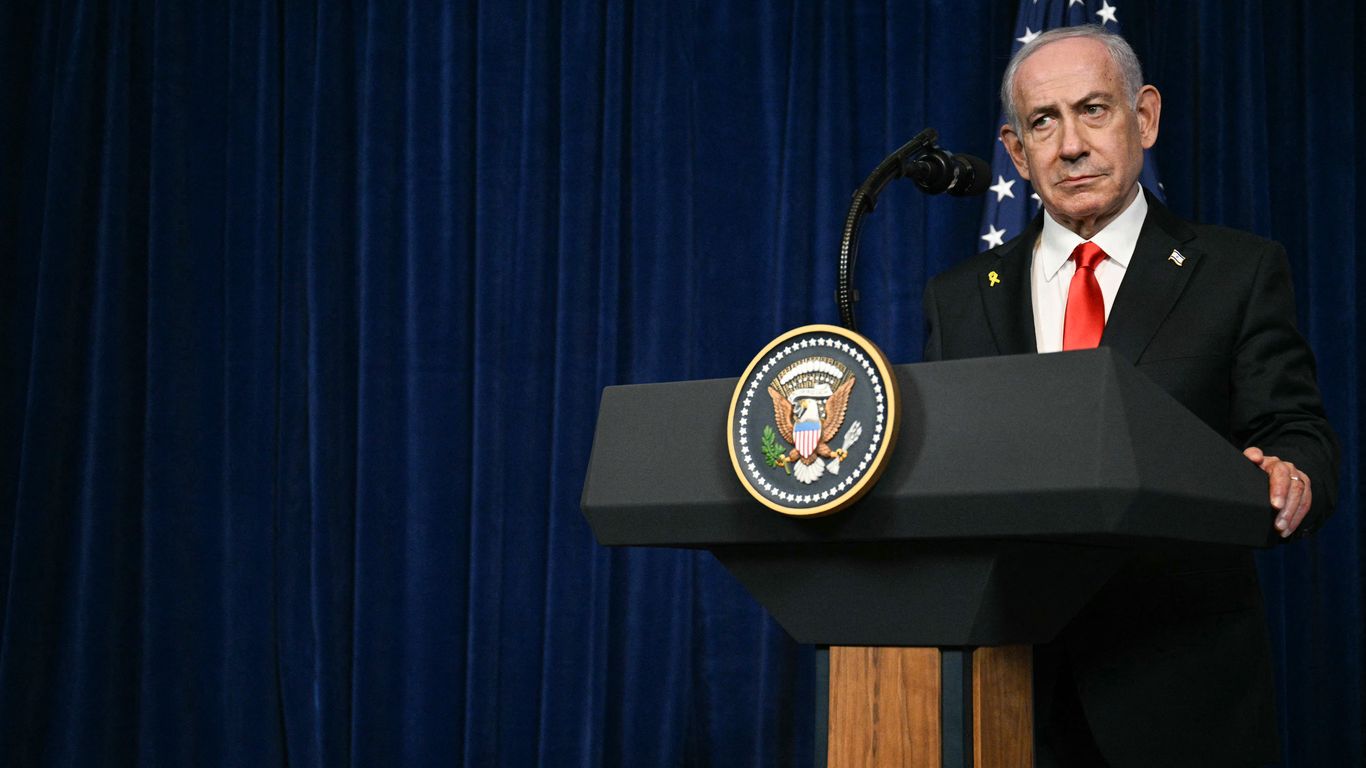
In a surprising turn of events, Benjamin Netanyahu’s approach to governance and foreign relations has led to an unexpected fallout. The dynamics of his partnership with former President Donald Trump illustrated a unique strategy, one that did not culminate in the outcomes he had anticipated.
The Unraveling of Diplomatic Alliances
Netanyahu’s alliance with Trump was marked by ambitious goals, including bolstering Israel’s geopolitical position and securing greater support from the United States. Initially, this partnership seemed promising for Netanyahu, with key agreements like the Abraham Accords showcasing progress in Middle Eastern diplomacy. However, the reality of their political landscapes has shifted dramatically, leading to a breakdown in mutual support and trust.
The shift in U.S. leadership introduced new complexities for Netanyahu. President Joe Biden’s foreign policy significantly contrasts with Trump’s, particularly regarding Israel-Palestine relations. The Biden administration emphasized a more balanced approach, seeking to foster dialogue and peace talks, whereas Trump’s administration often favored Israel’s hardline stances. This change has left Netanyahu grappling with diminished leverage to influence American policies that were once aligned with his interests.
Challenging Domestic Pressures
Domestically, Netanyahu faces a challenging political environment. His administration is under intense scrutiny, compounded by ongoing protests against his government and its policies. Many citizens express dissatisfaction with issues such as governance and socioeconomic concerns. The internal pressures have been exacerbated by the fallout of his alliance with Trump, making it increasingly difficult for Netanyahu to maintain public support.
Furthermore, the growing opposition from centrist and leftist factions poses a tangible threat to Netanyahu’s political survival. As the public’s patience wears thin, Netanyahu’s ability to enact policy becomes increasingly limited, forcing him to navigate a complex political landscape fraught with dissent. The juxtaposition of external geopolitical shifts with domestic upheaval has created a perfect storm for the Israeli leader.
The Future of Israeli Foreign Policy
Looking forward, the future direction of Israeli foreign policy remains uncertain. Netanyahu’s past reliance on close ties with the former Trump administration has left him without a clear strategy as the Biden administration recalibrates its approach to Middle Eastern affairs. The question now is how Israel will adapt to this new reality, considering both regional dynamics and the ever-evolving international landscape.
Moreover, the implications for Israel’s relationship with its neighbors are profound. The normalization agreements established during Trump’s administration may be tested as regional actors reassess their standing with a different U.S. administration. Netanyahu must pivot away from the strategies that won him initial successes with Trump while also harnessing new pathways to ensure Israel’s security and diplomatic standing.
In conclusion, Benjamin Netanyahu’s original vision of partnership and success, grounded in the alliances formed during Trump’s presidency, has dissipated into a scenario characterized by upheaval and uncertainty. As he faces mounting domestic pressures and a shifting geopolitical landscape, the true challenge lies in his ability to pivot and redefine Israel’s foreign policy approach in the face of evolving challenges.