
U.S.-Iran Negotiations Progress Amid Heightened Tensions
Recent discussions involving U.S. and Iranian representatives, mediated by Qatar and Pakistan, indicate a promising step towards resolving ongoing tensions. The meetings were described as constructive, with both sides agreeing to continue dialogue. This context emerges amidst broader geopolitical frictions in the region, particularly concerning the strategic Strait of Hormuz, a vital passageway for global oil and gas shipments.
Details from Recent Meetings
On Wednesday, U.S. officials, including Middle East envoy Steve Witkoff and Jared Kushner, engaged in talks with Qatari leaders. Discussions focused on key issues, including stabilizing the regional situation and ensuring safe passage through the Strait of Hormuz. Qatar’s Foreign Ministry spokesman noted that another meeting would be scheduled soon after Iran’s funeral for its late supreme leader, Ayatollah Ali Khamenei.
The negotiations are pivotal as they aim to solidify specifics that will facilitate a higher-level agreement among key leaders. However, significant topics such as the control over maritime routes and tensions in Lebanon loom over negotiations, complicating diplomatic efforts.
The Strategic Importance of the Strait of Hormuz
The Strait of Hormuz remains a critical focal point in the negotiations. Notably, Iran has insisted on maintaining control over vessel movements and imposing fees for passage, which diverges from long-standing practices. The U.S. and Gulf Arab states are resistant to these proposed changes, pointing to the need for international regulations in a waterway crucial for global energy markets.
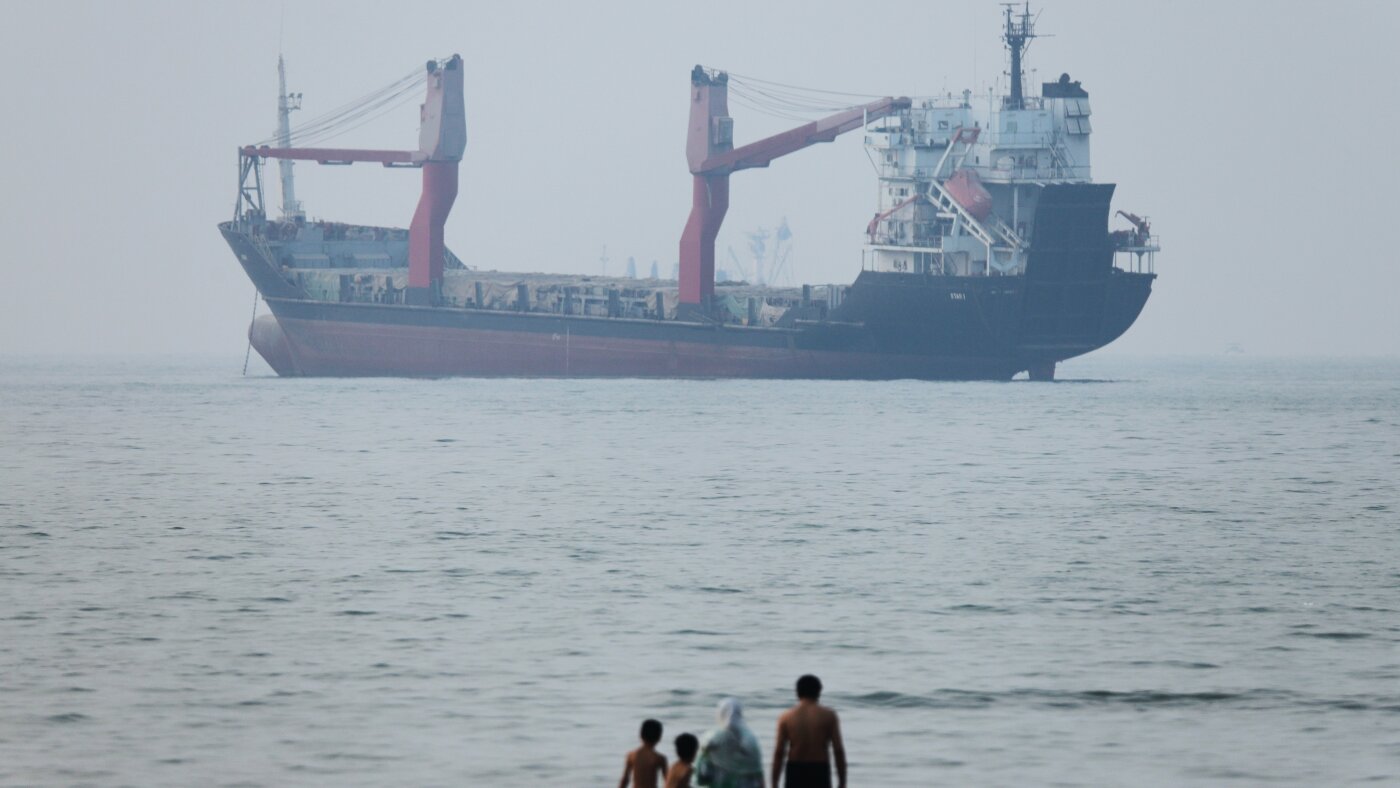
In a recent incident, a foreign container ship reportedly ran aground in the strait, reinforcing Iran’s claims to governance over the strategic passage. Iran has leveraged its position to exert influence, especially since the U.S. and Israel initiated military action against it earlier this year. The shipment control narrative has become integral to negotiations.
Path Forward: Challenges and Opportunities
As the discussions unfold, the complexities surrounding Lebanon further complicate the U.S.-Iran dialogue. Iran demands the cessation of hostilities between Israel and Hezbollah, which continues to be a contentious issue. While U.S. officials express concern over nuclear capabilities, a multifaceted approach is essential to address regional stability comprehensively.
Despite recent tensions, there have been reports of increased maritime activity in the Strait of Hormuz, with several vessels safely exiting the area after recent disruptions. This highlights a need for both diplomatic engagements and proactive measures to ensure maritime security.
In conclusion, ongoing U.S.-Iran negotiations are crucial in addressing regional tensions while navigating complex geopolitical landscapes. With multiple stakeholders involved and significant challenges ahead, the situation remains fluid. Continuous dialogue may prove instrumental in establishing a framework that supports peace and stability in a critical and contested region.