
The ongoing tensions between the United States and Iran have reached a critical point, with both nations exchanging bold statements ahead of anticipated U.S. economic sanctions. These measures are expected to carry significant implications not only for Iran but also for its principal trade ally, China.
Escalating Sanctions and Diplomatic Tension
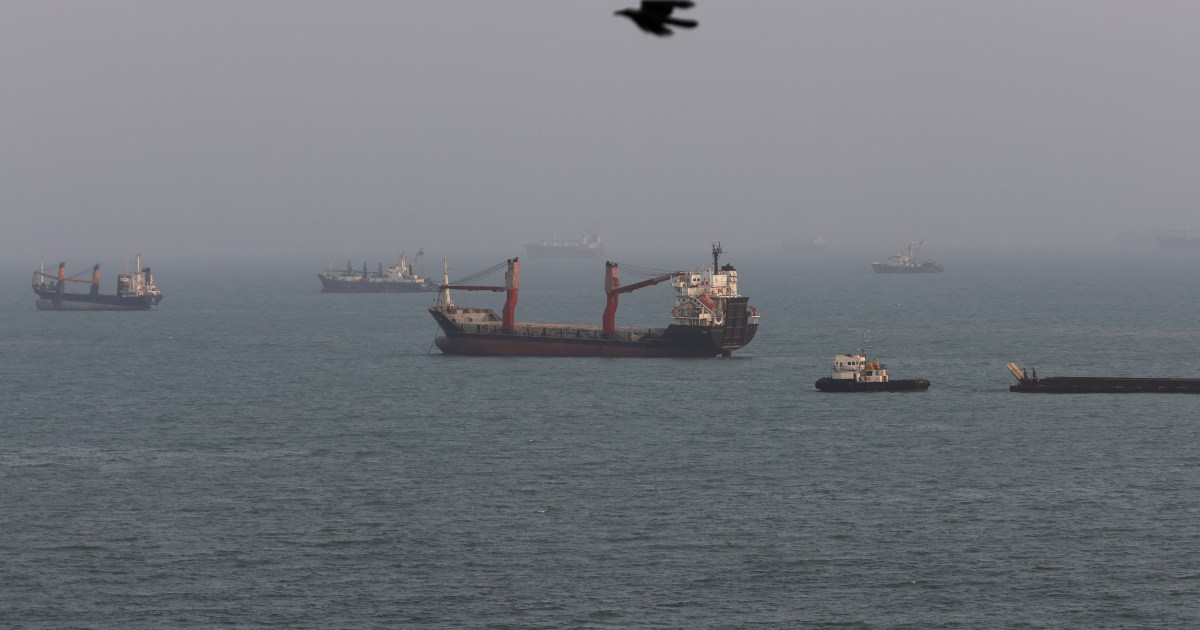
As the conflict approaches the six-month mark, the prospect of a peaceful resolution remains elusive, with discussions between the two countries absent. While military actions have been restrained, Iran has threatened to target unauthorized oil tankers navigating through the crucial Strait of Hormuz, a vital passage for global oil shipments. Current intelligence suggests that oil exports from Iran have come to a near-complete halt, resulting in a precarious situation for the international oil market.
While Treasury Secretary Scott Bessent is set to announce what he claims are “the toughest sanctions in history” against Iran, he is also appealing to China for cooperation. Notably, China is a critical player, purchasing over 80% of Iran’s oil shipments. In light of this economic interdependence, Beijing has been vocal about the importance of diplomatic negotiations over escalating tensions.
Iran’s Response and Assertions of Sovereignty
Iran’s Foreign Ministry spokesperson, Esmaeil Baghaei, has criticized the impending sanctions as a violation of international law, claiming they represent an attempt by the U.S. to exert “extraterritorial sovereignty” over sovereign nations. Baghaei’s statements underscore the deep-seated frustrations felt by Iran toward what they perceive as unlawful external pressures. President Donald Trump has reiterated the potential consequences for any nation providing assistance to Iran, asserting close scrutiny of the ongoing situation.
The U.S. has effectively crippled Iranian maritime operations, leading to a bottleneck in the Strait of Hormuz where thousands of sailors are reported stranded. Ship tracking data indicates that only a handful of vessels, offering limited maritime support, have been permitted to traverse this strategic maritime route recently.
The Human Cost and Call for Diplomacy
While military dynamics continue to evolve, the humanitarian impact has been stark. Thousands have lost their lives, with the early days of the conflict claiming the lives of numerous civilians, including schoolchildren. The U.S. military also reports significant casualties among its personnel. In the aftermath of such losses, Iranian officials, including the chief of staff of Iran’s armed forces, responded with pledges of severe retaliation against perceived threats.
However, amid the heated rhetoric, notable figures within Iran, such as President Masoud Pezeshkian, have advocated for a diplomatic resolution. Pezeshkian argues that finding a peaceful end to hostilities would be beneficial for Iran at this juncture, asserting the nation’s strength and dignity as part of the broader narrative against U.S. aggression.
As economic pressures mount, Iranian officials acknowledge the critical state of the economy. Ghalibaf, a key negotiator, emphasized that military prowess will be of little solace if the populace suffers from hunger and economic stagnation.
In sum, the situation continues to develop, driven by both military and economic strategies, as well as implications for regional and global stability. The challenge lies in reconciling these conflicting narratives and achieving a resolution that addresses the pressing humanitarian and economic issues at stake.