
In the wake of escalating tensions in the Middle East, recent airstrikes have ignited a significant conflict between the United States and Iran. As hostilities continue, the fragile ceasefire established in prior negotiations is being jeopardized, raising concerns for regional stability.
U.S. Strikes and Iranian Responses
The United States conducted multiple airstrikes against Iran early Thursday morning, leading to a swift retaliation from Tehran aimed at U.S.-aligned nations in the region. This cycle of attack has thrown the already tenuous ceasefire into chaos, with reports of sirens blaring in Bahrain, the U.S. Navy’s operational hub. Iranian missiles were also reported targeting Kuwait and Qatar, demonstrating the widespread reach of the conflict.
Despite the danger, the fear of further escalation did not deter either side, as missile fire continued throughout the day. Iranian entities, including the Revolutionary Guard, are involved in launching retaliatory attacks against U.S. bases in neighboring countries, causing heightened alarm for American personnel stationed there.
Impact on Civilians and Military Status
According to Iran’s Health Ministry, these airstrikes resulted in at least 14 fatalities, primarily among military personnel. Other nations experiencing collateral damage include Kuwait, which reported injuries from falling debris after intercepting missiles, and Jordan, where incoming threats were successfully neutralized. Meanwhile, reports indicate that Iran’s efforts to target military installations and critical infrastructure have intensified, including areas surrounding its nuclear facilities.
The U.S. Central Command has claimed to target around 90 military installations across Iran. They released footage showcasing specific strikes, which they assert are meant to diminish Iran’s capacity to threaten international shipping routes critical for global trade. These developments have heightened tensions not just between the two nations but also with other regional players, who are caught in the crossfire.
The Funeral of Supreme Leader Ayatollah Khamenei
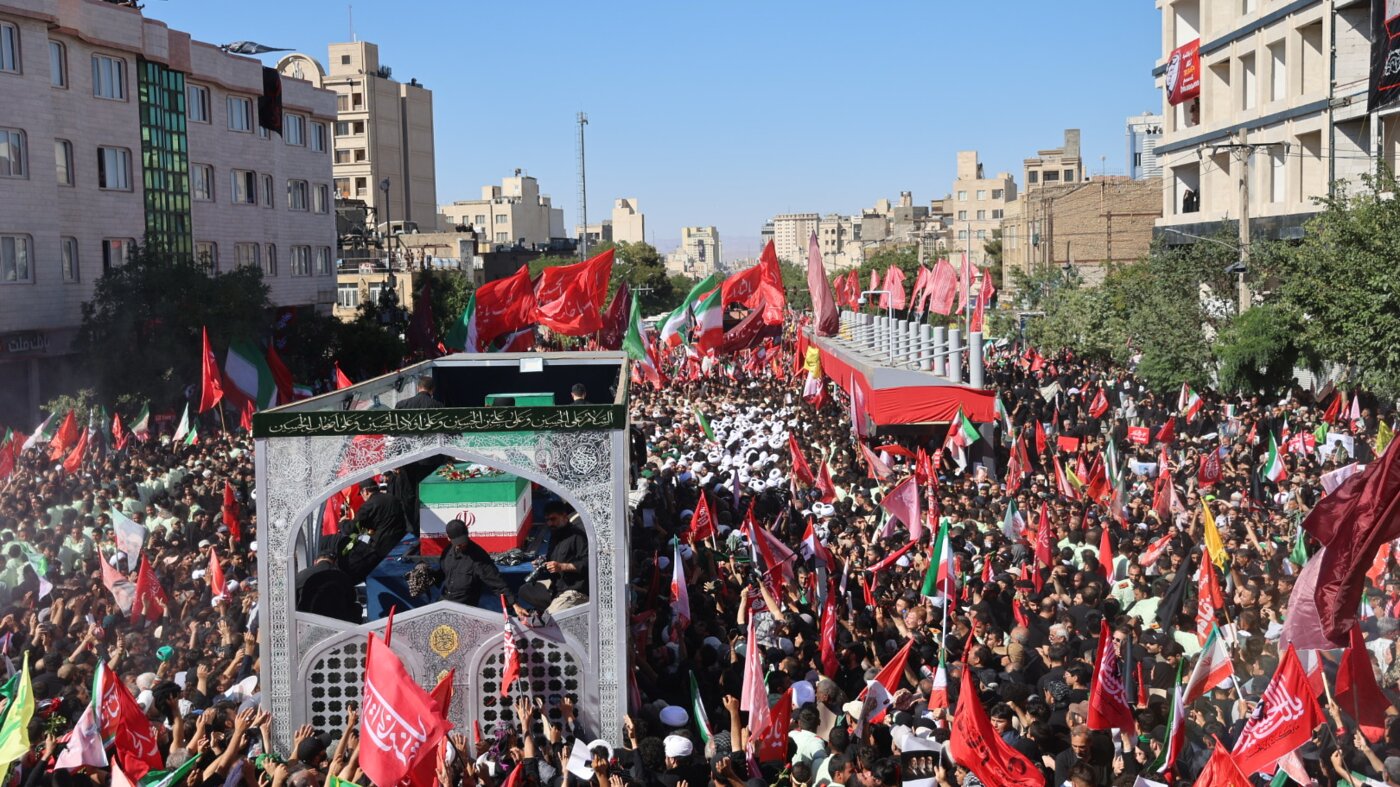
Compounding the grief in Iran, Supreme Leader Ayatollah Ali Khamenei was laid to rest on Friday after his death in the initial rounds of the conflict. His funeral attracted thousands, particularly as many mourners rallied around Iranian flags and imagery linked to Shiite martyrdom. This funeral procession saw the streets of Mashhad flooded with supporters, many of whom were heavily invested in Khamenei’s legacy of defiance against Western interference.
Statements from Iranian officials reflect a mix of vulnerability and defiance, insisting that any further attacks from the U.S. will not go unanswered. Iranian Parliament Speaker Mohammad Bagher Qalibaf emphasized that the consequences of American aggression will be severe.
Looking Ahead: Diplomatic Efforts and Negotiations
Even amid conflict, some diplomatic channels remain open, with Iranian representatives communicating with counterparts from various nations, including Turkey and Saudi Arabia. These diplomatic overtures come in light of the impending negotiations meant to seek a sustainable resolution to the ongoing war.
U.S. President Trump has publicly stated that the interim ceasefire conditions are void and expressed skepticism regarding the efficacy of ongoing negotiations. With the possibility of future talks hinging on the fallout from Khamenei’s funeral, the international community remains watchful, hoping that a pathway to peace can be established despite the current chaos. As both sides grapple with their objectives, the stakes have never been higher, affecting not only regional attitudes but the global economy that depends on secure oil shipments.