
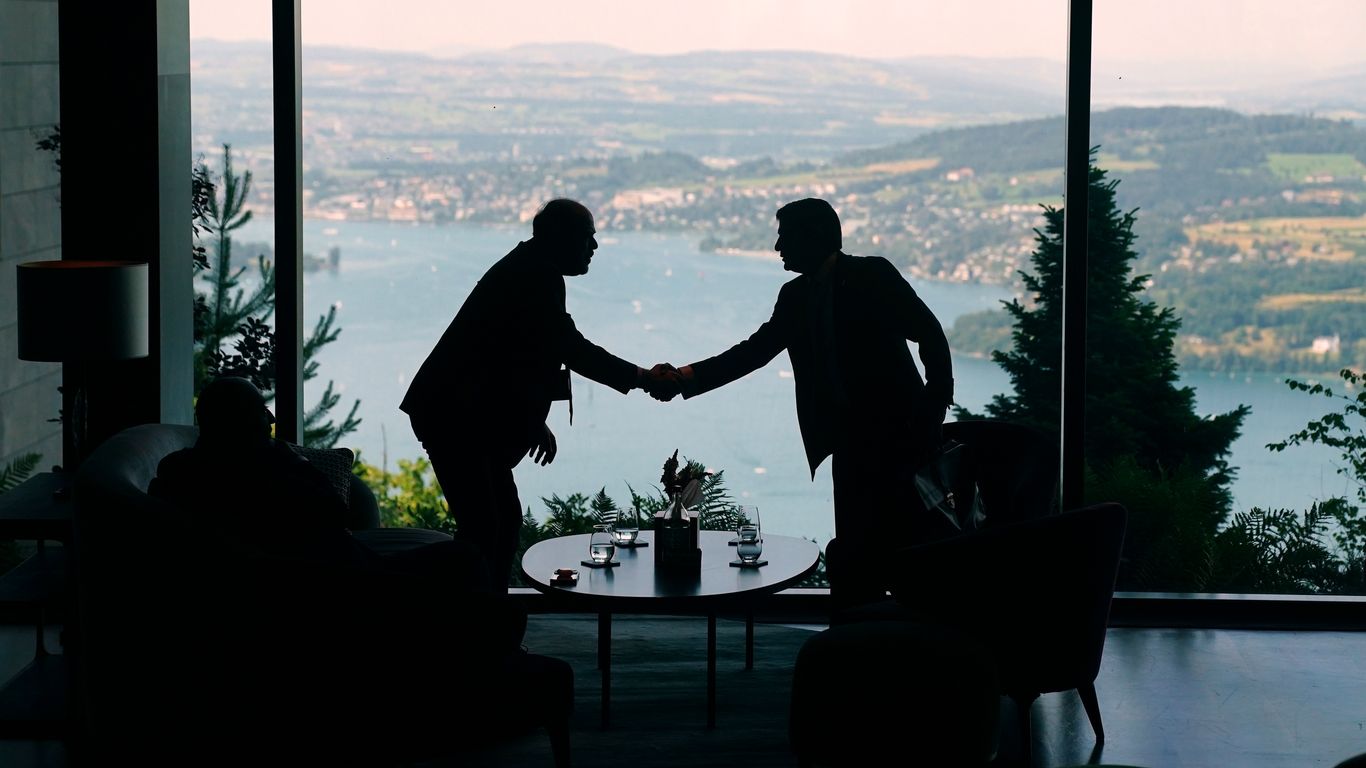
Negotiations surrounding Iran’s nuclear program have been a focal point of international diplomacy for years. The geopolitical landscape continues to evolve, making it essential for stakeholders to reassess their strategies. This ongoing dialogue not only affects regional stability but also has broader implications for global security and diplomatic relations.
Evolving Dynamics of Nuclear Negotiations
The discussions surrounding Iran’s nuclear ambitions have shifted considerably since they first began. Initial talks primarily revolved around the development and potential threats of nuclear weapons. However, recent developments indicate a broader agenda, incorporating issues such as regional security, military activities, and economic sanctions. This evolution underscores the complexity of the negotiations, as it requires all parties to consider a variety of interrelated factors.
It is crucial to acknowledge the roles of various countries in these negotiations. The P5+1, comprising the five permanent members of the UN Security Council plus Germany, has been instrumental in shaping the dialogue. The commitment of these nations to come to a diplomatic resolution highlights the importance of a coordinated international effort. Moreover, countries like Russia and China offer differing perspectives and approaches, complicating the consensus that is often necessary for a successful outcome.
The Importance of Regional Security
Regional dynamics significantly influence the discussions around Iran’s nuclear program. Countries in the Middle East have their own concerns regarding Iranian influence, which complicates the negotiations further. Nations such as Saudi Arabia and Israel view Iran’s nuclear capabilities as a direct threat to their national security, leading them to advocate for a stricter stance in negotiations. These regional tensions necessitate an approach that not only addresses nuclear concerns but also seeks to establish broader security frameworks.
Incorporating regional players into the dialogue may enhance the chances of a successful agreement. Engaging neighboring countries in discussions about security and collaboration can lead to more comprehensive solutions. The inclusion of regional stakeholders can facilitate a better understanding of mutual grievances and anxieties, helping to build a stronger foundation for peace.
The Role of Economic Sanctions
Economic sanctions have been a significant tool in the international community’s efforts to curb Iran’s nuclear ambitions. These sanctions aim to pressure the Iranian government into compliance with international norms, but their effectiveness can come with complications. While sanctions can hinder economic development, they can also foster resentment and harden positions within the Iranian leadership. Thus, finding the right balance is critical for fostering an environment conducive to negotiation.
Furthermore, the potential for relief from sanctions is often a pivotal element in the talks. A well-structured agreement should offer tangible benefits to Iran, encouraging them to adhere to international regulations while also improving the economic situation of its citizens. This dual approach could help rebuild trust between Iran and the international community, paving the way for future cooperation beyond nuclear issues.
In conclusion, while negotiations surrounding Iran’s nuclear program are complex and multifaceted, a comprehensive approach is necessary for success. By considering regional security dynamics, involving a wider array of stakeholders, and carefully navigating the implications of economic sanctions, the international community can work toward a more stable Middle East. The path forward may be challenging, but the potential for a more peaceful coexistence remains within reach.