
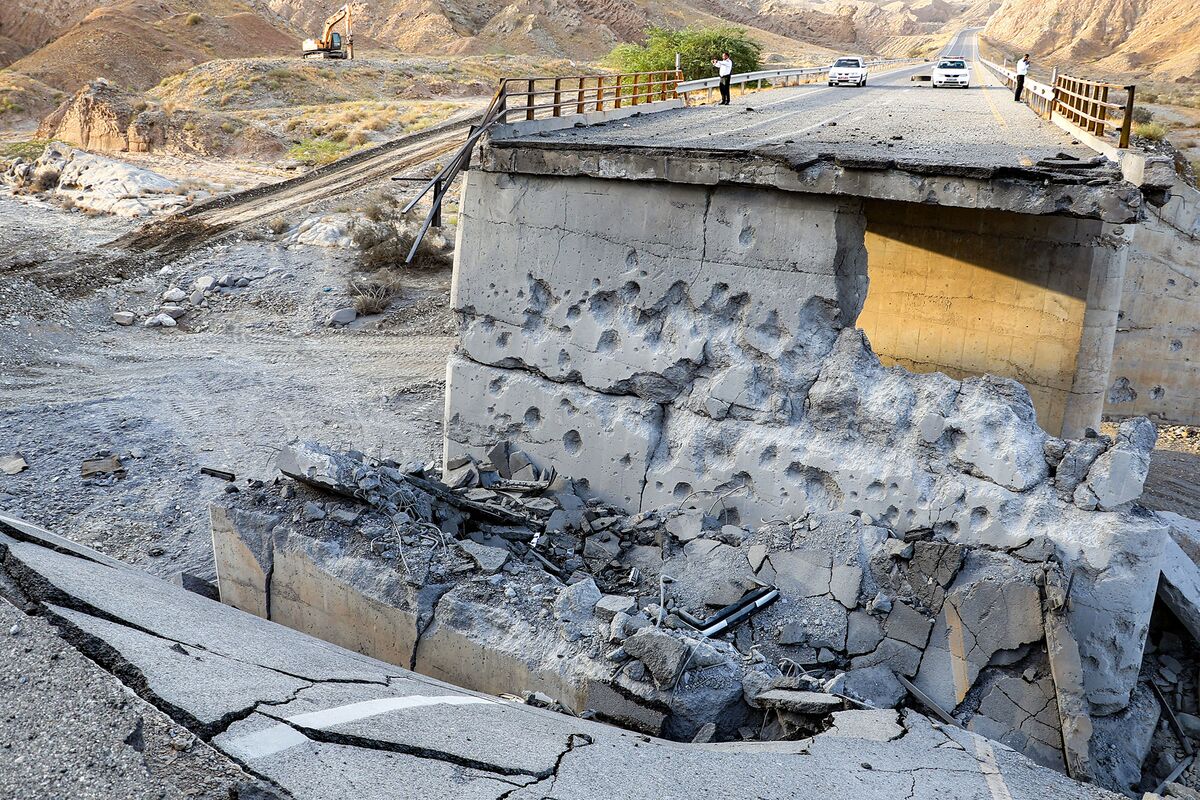
The ongoing conflict involving Iran continues to escalate, particularly as the U.S. carries out a series of airstrikes aimed at curbing Iran’s shipping attacks and ensuring the safety of the critical Strait of Hormuz. These air operations have been relentless, with the ninth consecutive day marking a significant intensification of U.S. military activity in the region.
Background of the Conflict
The tensions between the United States and Iran have been on a steady rise over the years, particularly following the U.S. withdrawal from the Iran nuclear deal in 2018. Since then, Iran has increased its military presence in the Middle East, including aggressive actions in nearby shipping lanes. The Strait of Hormuz is a vital maritime chokepoint, and any disruptions here can have far-reaching implications for global oil supply and international trade. This strategic importance has drawn U.S. attention and involvement, leading to the current airstrikes aimed at reining in Iranian influence.
The Purpose of U.S. Airstrikes
The U.S. airstrikes are primarily aimed at deterring Iran from making further military provocations, particularly those targeting commercial vessels in the Gulf region. By showcasing military resolve, the United States hopes to send a strong message not just to Iran but to other nations regarding the importance of maintaining freedom of navigation in international waters. The goal is to reduce the threat posed by Iranian forces, who have been accused of harassing shipping in and around the Strait of Hormuz. Each airstrike is intended to be a calculated measure designed to protect U.S. interests and allies in the region while promoting stability.
International Reactions
The ongoing airstrikes have elicited a variety of reactions from the international community. Some countries have expressed support for U.S. actions, emphasizing the need for security in critical shipping lanes. Conversely, other nations have criticized the military approach, calling for diplomatic efforts instead. This divide shows that questions about military intervention versus diplomatic negotiation remain contentious globally, as the airstrikes’ effectiveness and potential consequences come under scrutiny.
Future Implications
As the situation continues to unfold, the future implications of the U.S. airstrikes are uncertain. While the objective is to deter further Iranian aggression, military actions can often lead to unintended escalation. Both the U.S. and Iran face complex political landscapes, and any missteps could lead to increased hostilities. For now, the U.S. remains focused on striking a balance between necessary military intervention and the broader goal of regional stability and security.
In summary, the airstrikes on Iran represent a significant escalation in U.S. military involvement in the region. As tensions simmer, the effectiveness of these actions will depend on a host of variables, including diplomatic efforts and the reactions they provoke from Iran and other nations. The critical nature of the Strait of Hormuz further highlights why continued vigilance and strategic planning are essential for all parties involved.