
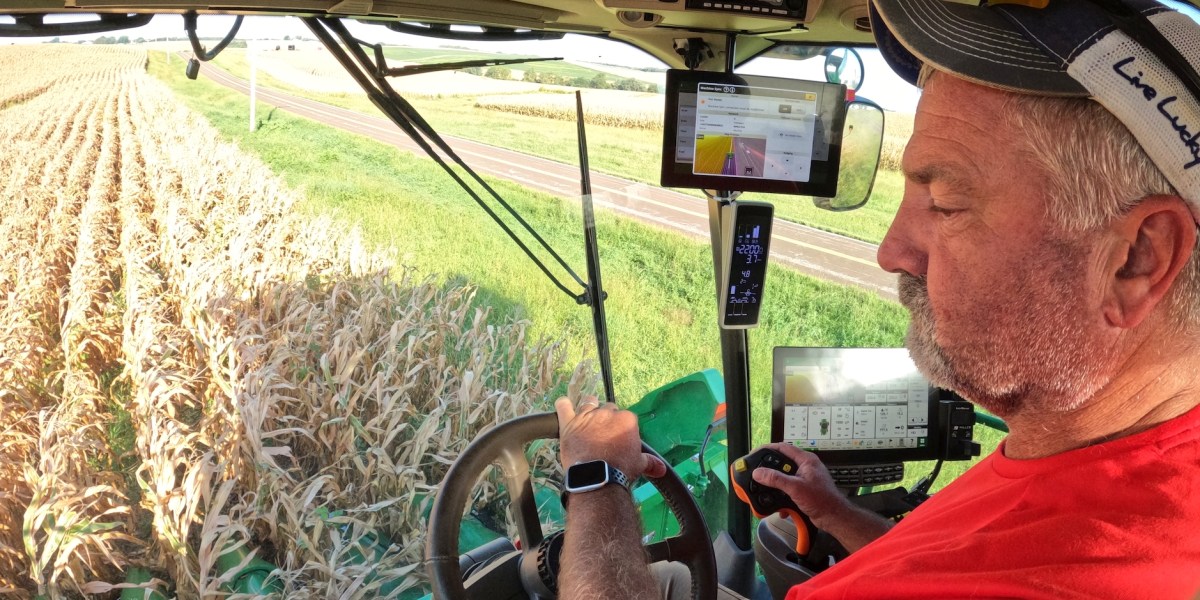
The surge in diesel prices is creating significant challenges for U.S. farmers, especially during the crucial harvest season for major crops like soybeans and corn. As they prepare for harvesting, these farmers are grappling with escalating costs that threaten their profitability and operational viability.
Soaring Diesel Prices Impacting Agriculture
On September 4, diesel prices in the U.S. skyrocketed to an unprecedented average of $5.85 per gallon. This surge is largely attributed to ongoing global disruptions, particularly the six-month conflict involving Iran, which has significantly affected fuel availability on a worldwide scale. Current figures indicate that diesel prices have reached an average of $6.05 per gallon as of the latest reports from AAA, marking a staggering increase of approximately 60% since prior to the conflict in late February, when prices hovered around $3.76 per gallon.
Farming operations are especially vulnerable to these fluctuations, and many farmers are reporting that rising fuel costs are exacerbating an already difficult financial year. Increased expenses related to fertilizer, seeds, and equipment are compounding the challenges of operating in such a volatile economic environment. According to Paul Mitchell, an agricultural economist at the University of Wisconsin-Madison, the financial strain extends beyond harvesting; it includes the costs associated with transporting goods to and from the farm.
Farmers Feeling the Pinch
Jason Kurtz, a farmer from Forest City, Missouri, highlighted his personal experience, revealing that he is paying double for diesel this season compared to previous years. His farming machinery, particularly his combine, consumes around 200 gallons of fuel each day, and since he anticipates using it for 30 days, the cumulative expenses are daunting. In addition to the combine, he also requires fuel for tractors and trucks, adding more strain to his budget.
Kurtz expressed concern over his already tight finances, stating that skyrocketing costs for essential inputs like fertilizer and chemicals have made this harvesting season particularly stressful. The substantial increase in diesel costs directly impacts the “bottom line” for farmers, forcing them to make tough decisions about operational viability. Many farms are now confronted with the dilemma of cutting back on certain activities in order to cope with the financial pressures caused by inflated fuel prices.
Long-Term Implications and Strategic Adjustments
The situation has prompted farmers like Kurtz to consider delaying certain farming tasks in hopes that diesel prices might decline in the near future. This reflects a broader trend among agricultural producers who are seeking strategic adjustments to manage the economic strain while navigating fluctuating fuel costs. As Kurtz put it, “Tomorrow will be different,” showcasing a glimmer of optimism in an otherwise challenging environment.
Mitchell underscores that farms already struggling financially are now forced to find creative solutions to make ends meet. Many in the farming community are engaging in tough discussions about which expenses can be trimmed to sustain operations. The ongoing crisis, marked by rising diesel prices, challenges not only individual farmers but also the agricultural sector at large, urging stakeholders to reassess their strategies amid a landscape of volatility and uncertainty.
As U.S. farmers face off against unprecedented diesel prices, the implications extend well beyond individual crop yields. Stakeholders in agriculture must continue to adapt to these economic pressures to ensure the sustainability of their operations in the evolving marketplace.