
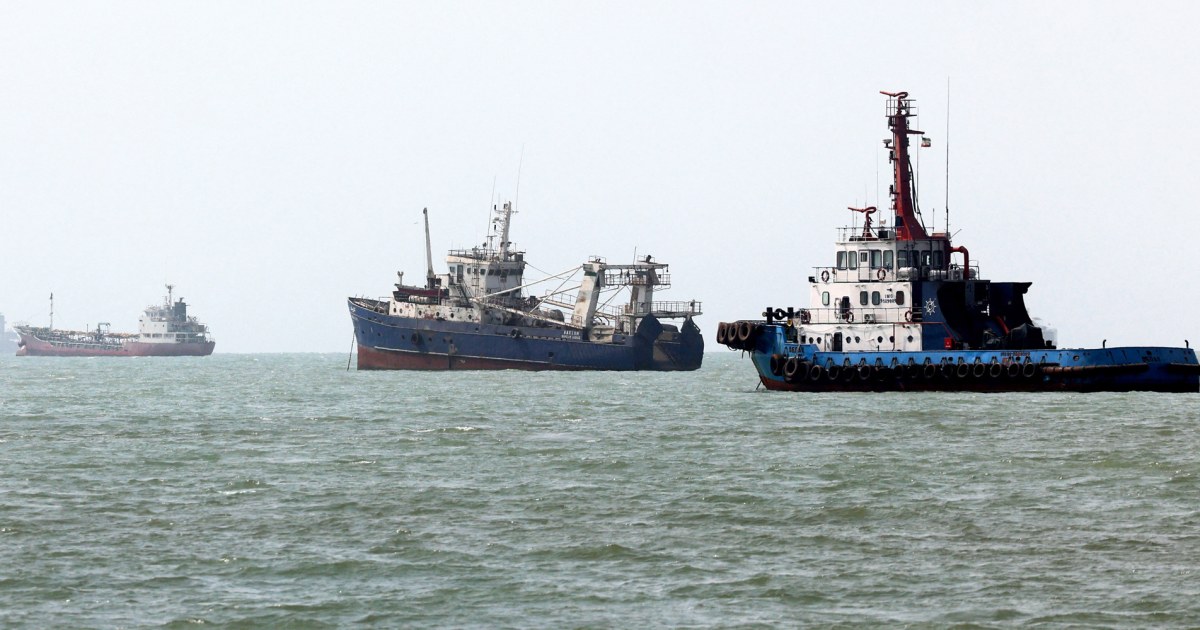
In recent discussions surrounding the Strait of Hormuz, military officials have conveyed to President Donald Trump that any potential operation to seize control of this pivotal waterway would be complex, expensive, and fraught with dangers, without any certainty of achieving victory. This strategic chokepoint is essential not only for oil transportation but also for maintaining geopolitical stability in the region.
The Importance of the Strait of Hormuz
The Strait of Hormuz is a vital maritime corridor that connects the Persian Gulf with the Arabian Sea. Approximately one-third of the world’s oil supply passes through this narrow passage, making it economically significant for global trade. Control over such a crucial region can influence oil prices and, consequently, impact nations worldwide. Given its importance, any military engagement in this area could have far-reaching implications.
Military Considerations and Risks
Military experts have highlighted that any attempt to take the Strait would require a robust operational strategy and substantial resources. Such an action would likely lead to significant military confrontations, with high costs in terms of financial expenditure and human lives. The inherent risks involved make this operation a daunting challenge. Given the unpredictable nature of warfare and the possibility of facing well-armed adversaries, the chances of a swift and conclusive victory remain uncertain. Thus, engaging in military operations in this region may not be the most prudent course of action.
The Geopolitical Landscape
The geopolitical tensions surrounding the Strait of Hormuz are compounded by the involvement of various regional players and international stakeholders. Nations such as Iran, which views the waterway as a critical national interest, may respond fiercely to any perceived threat to their sovereignty. Additionally, the presence of other countries with military assets in the region adds another layer of complexity to the situation. Diplomatic channels play an essential role in navigating these tensions, and military escalation could jeopardize established treaties and alliances.
Future Implications and Strategies
As the conversation around military operations in the Strait of Hormuz continues, strategic alternatives must be considered. Diplomatic efforts, economic sanctions, and partnerships with key allies may provide more effective routes towards stability without resorting to military intervention. By focusing on collaborative solutions and open dialogue, nations can work together to secure vital trade routes and ensure energy supplies while minimizing the risk of conflict.
In conclusion, the Strait of Hormuz represents both an opportunity and a challenge for global stability. While military strategies may offer short-term solutions, the potential for long-term repercussions necessitates a more thoughtful approach.