
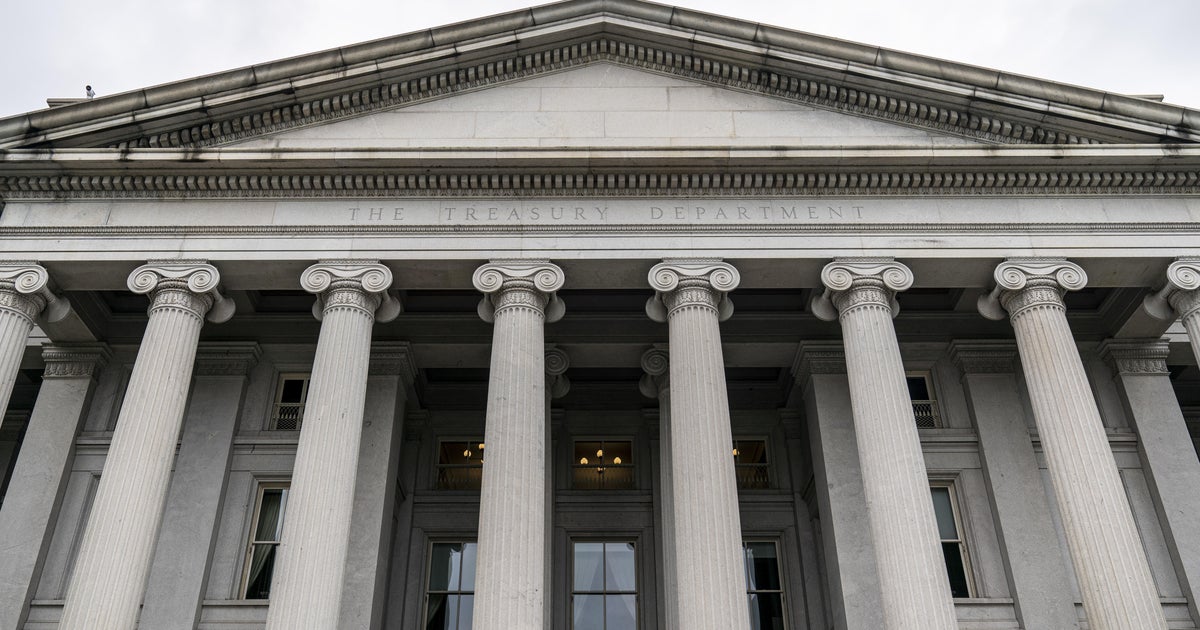
The Trump administration recently imposed its eighth set of sanctions against Iran as negotiations continue over the Strait of Hormuz. This latest round of measures targets Iran’s banking sector and various international firms accused of facilitating the laundering of significant sums of money.
Targeting Key Financial Networks
The new sanctions focus on specific entities within Iran’s financial infrastructure. Notably, Shahr Bank and two exchange houses in Dubai, Titan Exchange and Alps International, have been designated for their roles in assisting Iran in retrieving oil revenues. According to the Treasury Department, these companies have enabled the National Iranian Oil Company and Naftiran Intertrade Co. to operate despite existing sanctions. Treasury Secretary Scott Bessent warned that any individual or organization supporting the Iranian regime will face consequences, emphasizing the administration’s commitment to dismantling networks that enable financial misconduct.
Individuals and Foreign Companies Implicated
The sanctions also extend to several Iranian nationals involved in extensive financial operations tied to Shahr Bank. Among them is Saeed Ghasempour, an employee who reportedly managed currency conversions with Russia’s VTB Bank. The Treasury Department’s action also impacts staff members from Farab Soroush Afagh Qeshm, who were responsible for coordinating invoices and payments within the network. Additionally, a range of shell companies located in Hong Kong, Singapore, and Dubai were included on the sanctions list, highlighting the complex web of financial transactions used to bypass regulatory measures.
Supporting Militant Activities
In a separate announcement, the Treasury Department sanctioned Basheer Abdulkadhim Alwan al-Shabbani, the former CEO of Fly Baghdad. He is accused of providing logistical support to the Islamic Revolutionary Guard Corps-Qods Force, facilitating the movement of fighters, weapons, and finances to regional militia groups. Interestingly, this action came shortly after Fly Baghdad was removed from the sanctions list by the Office of Foreign Assets Control (OFAC).
U.S. Strategy to Constrain Iran
The overarching aim of these sanctions is to sever the financial channels sustaining Iran’s leadership. State Department spokesperson Tommy Pigott remarked that these actions are designed to curb Tehran’s access to oil revenues while hindering its ability to evade sanctions. The administration’s strategy hinges on applying economic pressure, urging Iran to reopen the Strait of Hormuz and bring an end to the ongoing conflict. Originally anticipated to last only a few weeks, this war has now dragged on for six months and is increasingly unpopular among the American public. Recent polls indicate that a significant portion of the population believes the conflict is going poorly, with many calling for an immediate resolution.
In response to queries about the status of negotiations, President Trump expressed optimism that a deal could be forthcoming soon. As discussions continue, the administration remains firm in its commitment to leverage economic sanctions as a tool for influence in the broader geopolitical landscape.