
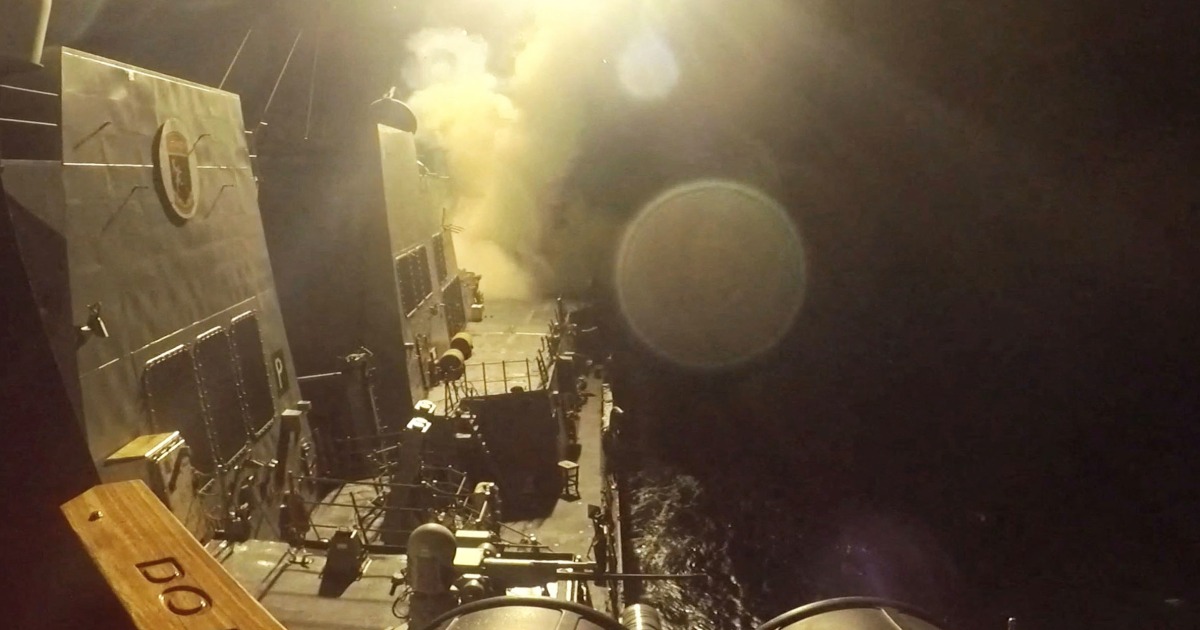
Three Indian nationals lost their lives following a U.S. military operation against a Palau-flagged tanker near the coast of Oman. This incident underscores the ongoing tensions in the region and raises questions about maritime security and international protocols.
Confirmation of Casualties
Indian Minister of Ports, Shipping, and Waterways, Sarbananda Sonowal, announced that the deceased were crew members aboard the Settebello. He confirmed that two bodies had been located, emphasizing the severe impact of this tragedy on India’s maritime community. In a statement on X, Sonowal expressed his condolences, stating, “This is a profound loss to our maritime family,” and assured that the Indian government is dedicated to providing support to the families affected during this challenging time.
Details of the Incident
The U.S. Central Command (CENTCOM) reported that American military forces targeted the Settebello in the Gulf of Oman after it allegedly attempted to breach an existing blockade by transporting oil from Iran. This blockade is part of the broader geopolitical tensions in the region, where the U.S. aims to exert pressure on Iran and prevent illicit oil shipments.
According to CENTCOM, the operation included precision strikes aimed at disabling the tanker’s engine room, initiated due to the crew’s repeated non-compliance with instructions issued by U.S. forces. This specific action is part of an ongoing strategy that has seen multiple vessels being directed or disabled by American military forces since the blockade was established in April.
Implications for Maritime Security
The incident raises critical issues about maritime security and the rules of engagement in international waters. With escalating tensions in the Gulf region, incidents like these amplify the dangers faced by seafarers and highlight the need for robust international regulations governing military actions at sea. As nations continue to navigate complex security challenges, the safety of maritime personnel remains a pressing concern.
The tragic loss of life in this incident may lead to greater scrutiny of military protocols and the need for clearer communication between military and civilian maritime operations. It emphasizes the importance of safeguarding the lives of individuals working in international waters and ensuring that international maritime laws are upheld.
In conclusion, the deaths of these three Indian nationals reflect the broader implications of geopolitical tensions and the critical state of maritime security. Collaborative efforts between nations can help mitigate risks and foster safe navigation in increasingly contested waters.