
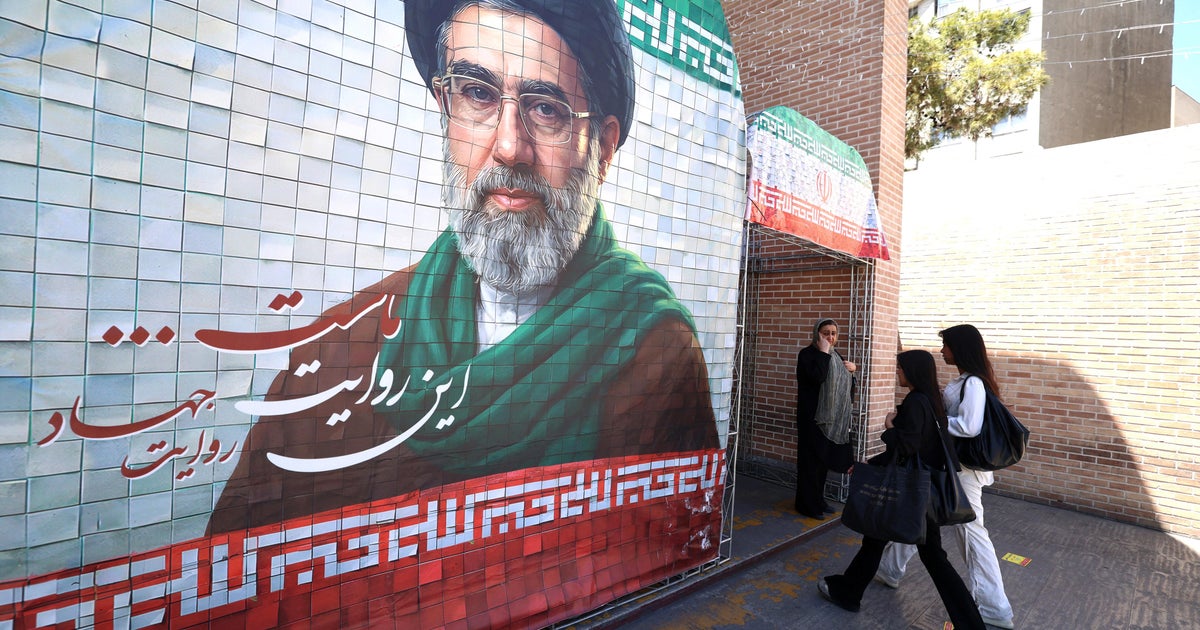
U.S. intelligence reports indicate that Iran’s Supreme Leader, Mojtaba Khamenei, is effectively isolated in a secret location, limiting his access to the outside world. This situation complicates communication within the Iranian government and hampers discussions related to ongoing negotiations with the Trump administration. As both sides work toward a potential agreement, the labyrinth of courier-based communication has emerged as a significant obstacle.
Challenges in Communication Within the Iranian Government
Iranian officials designated to negotiate with the U.S. have reportedly encountered difficulties in effectively communicating within their own bureaucracy. This internal struggle is a central reason why negotiations and updates related to a possible agreement are emerging at a slower than expected pace. With the Supreme Leader’s limited accessibility, when the U.S. submits proposals, it can take a considerable amount of time for a response to be relayed back, as the routes of communication are heavily restricted.
A spokesperson from the White House declined to comment on the intelligence regarding Khamenei’s location or the specifics of Iranian communication strategies. However, a senior official suggested that Khamenei has already agreed to the framework of a new draft agreement, raising hopes for a timely resolution. President Trump has expressed optimism on social media, indicating that final confirmations might be expected in the upcoming days.
Mojtaba Khamenei’s Precautions Amidst Ongoing Conflict
Mojtaba Khamenei, who has sustained injuries from strikes conducted by U.S. and Israeli forces, is taking exceptional measures to avoid similar attacks that have historically targeted his family. His father, Ayatollah Ali Khamenei, ruled Iran from 1989 until his death and was also a target during military operations. Since the conflict escalated, Mojtaba has not made any public appearances, further emphasizing his state of concealment.
Intelligence gathered by U.S. and Israeli forces has successfully pinpointed and neutralized several high-ranking Iranian leaders during the ongoing warfare. Reports suggest that most of the Iranian leadership is also operating under extreme secrecy, sheltering themselves in fortified bunkers and limiting communication to only the most critical matters. Such conditions create an atmosphere of frustration and confusion, as officials attempt to navigate cumbersome methods of correspondences, often likened to a comedy of errors.
Strategic Decision-Making Under Secrecy
The Supreme Leader’s current strategy entails a high degree of caution, to the point where even senior government officials lack knowledge of his whereabouts. This design ensures that any direct contact with Khamenei is nearly impossible, further entrenching the layers of secrecy surrounding his activities. All communications are funneled through an intricate network of couriers, designed to conceal Khamenei’s location and intentions.
Consequently, reports have surfaced mentioning vague agreements regarding the framework of negotiations, but the latency of the communication process causes delays in responses. The Supreme Leader has been issuing broad directives, allowing his advisors to negotiate on select issues while firmly instructing them to avoid discussions on other topics. This intricate system of communication reflects not only the challenges in governance within Iran but also highlights the complexities involved in diplomatic negotiations with the United States as both nations navigate the treacherous waters of international relations.