
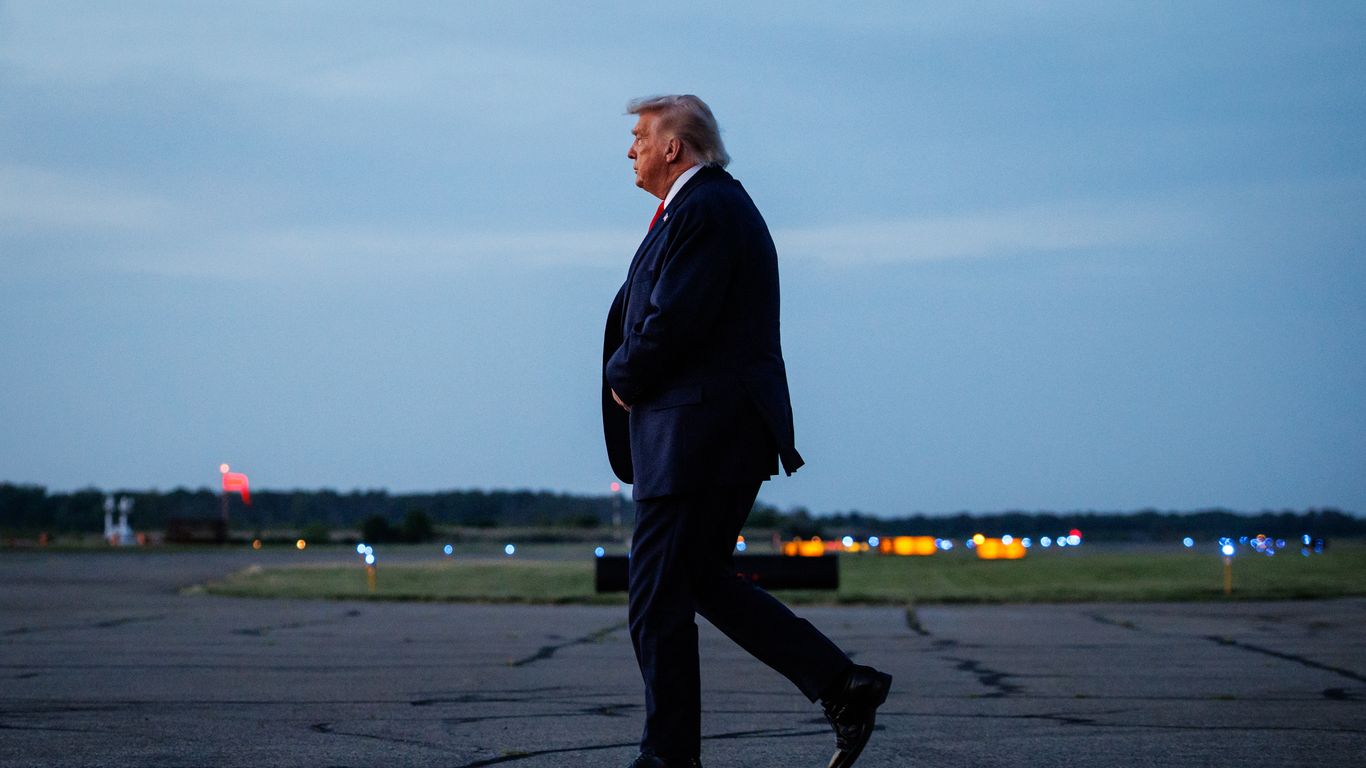
In recent discussions surrounding U.S. foreign policy, the complexities of responding to global events were underscored by former President Donald Trump’s remarks. He indicated that a robust response from the United States might be necessary, although he acknowledged potential complications in pursuing a ceasefire agreement.
The Importance of a Timely Response
Trump emphasized the critical nature of a swift and decisive response to international incidents. In his view, the U.S. should demonstrate strength and resolve to uphold its position on the world stage. This perspective resonates with many who believe that taking immediate action can deter future aggressions and maintain stability in volatile regions. However, it also raises the question of whether such a strategy can coexist with diplomatic efforts aimed at achieving long-term peace.
Balancing Strength with Diplomacy
The challenge lies in balancing a display of military readiness with the delicate art of diplomacy. While a strong stance may satisfy certain political factions and advocates for national security, it can simultaneously hinder negotiations aimed at peaceful resolutions. Trump’s acknowledgment of this dilemma highlights the intricate nature of international relations, where one misstep could unravel years of diplomatic efforts. The question remains: can the U.S. navigate this tightrope effectively without sacrificing its interests?
Implications for Future U.S. Policy
Trump’s statements could have significant implications for future U.S. policy-making. His approach suggests a pivot towards a more assertive foreign policy, which may resonate with voters who prioritize national security over international cooperation. However, this shift may also invoke criticism from those advocating for a more diplomatic approach to international conflicts. Observers will be watching closely to see how this philosophy influences the actions of current lawmakers and shape the country’s standing globally.
Long-Term Consequences
The long-term consequences of the U.S.’s stance on global issues could be profound. Deciding to take a hard line may result in immediate benefits, such as deterring hostile actions from other nations. Conversely, it may also escalate tensions and undermine peace processes. The ability to foster lasting relationships with international partners depends significantly on the U.S.’s willingness to engage in open dialogue, even when strong actions are deemed necessary. Trump’s insights serve as a reminder of the intricate balance between strength and strategy in foreign relations.
In summary, the growing complexities inherent in U.S. foreign policy challenge traditional notions of engagement and response. As leaders navigate this complicated landscape, the ability to effectively balance firmness with diplomacy will play a vital role in determining both immediate outcomes and long-standing impacts on global relations.