
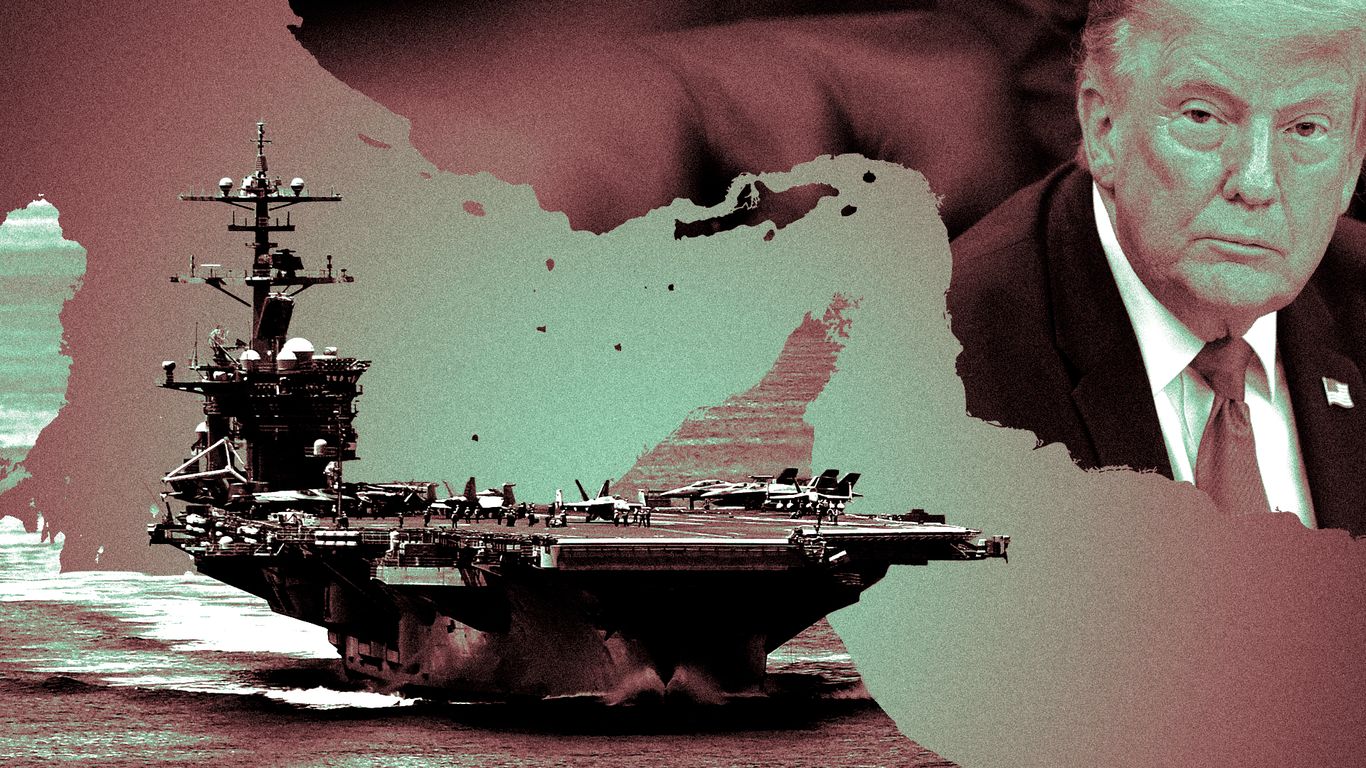
In today’s fast-paced news cycle, ongoing tensions between various nations often dominate headlines. A recent escalation in a conflict has captured global attention, highlighting how geopolitical dynamics can swiftly shift, resulting in widespread repercussions.
Escalating Tensions
What started as minor disputes has rapidly intensified into a significant confrontation affecting numerous stakeholders. Over the past few days, the back-and-forth exchanges between opposing parties have raised concerns among observers worldwide. As each side continues to retaliate, the impact of this altercation is becoming increasingly apparent, influencing not only the region directly involved but also the global community at large.
As military movements increase, diplomatic conversations are also taking place concurrently. However, these discussions have yet to yield a conclusive resolution, leading to fears of further escalation. Experts are closely monitoring these developments, as the potential for miscommunication or a sudden misstep could lead to unintended consequences.
Economic Implications
The conflict is not just a political issue; it has economic ramifications that extend beyond borders. Markets worldwide are responding to the uncertainty and instability created by this ongoing situation. Investors are on high alert, as stock prices fluctuate based on the latest news from the conflict zone. Trade routes are being reconsidered, and commodity prices are experiencing volatility, reflecting the broader implications that armed conflicts can have on global supply chains.
For businesses operating internationally, this situation underscores the importance of crisis management and the need for contingencies in case the conflict escalates further. Companies must remain vigilant, updating their risk assessments to account for new potential threats as the situation evolves.
Global Reactions and Responses
The international community is also weighing in on this unfolding situation. World leaders are calling for restraint and urging both sides to return to the negotiating table. Many nations are offering to mediate, hoping to prevent a catastrophe that could drag regional allies into a larger conflict. Public opinion is divided, with some advocating for stronger intervention to stop the fighting, while others emphasize the need for non-interference and respect for sovereignty.
Media coverage is highlighting varying perspectives, illustrating how narratives can shape public understanding and influence political action. As this situation progresses, it’s critical to analyze the information presented and consider the myriad of viewpoints that exist.
In conclusion, the ongoing exchanges between the conflicting parties underscore the fragility of peace in geopolitical landscapes. With escalating tensions and broad repercussions on economic stability, the hope for a diplomatic resolution remains crucial. The world watches closely as events unfold, and the need for informed dialogue has never been more apparent.