
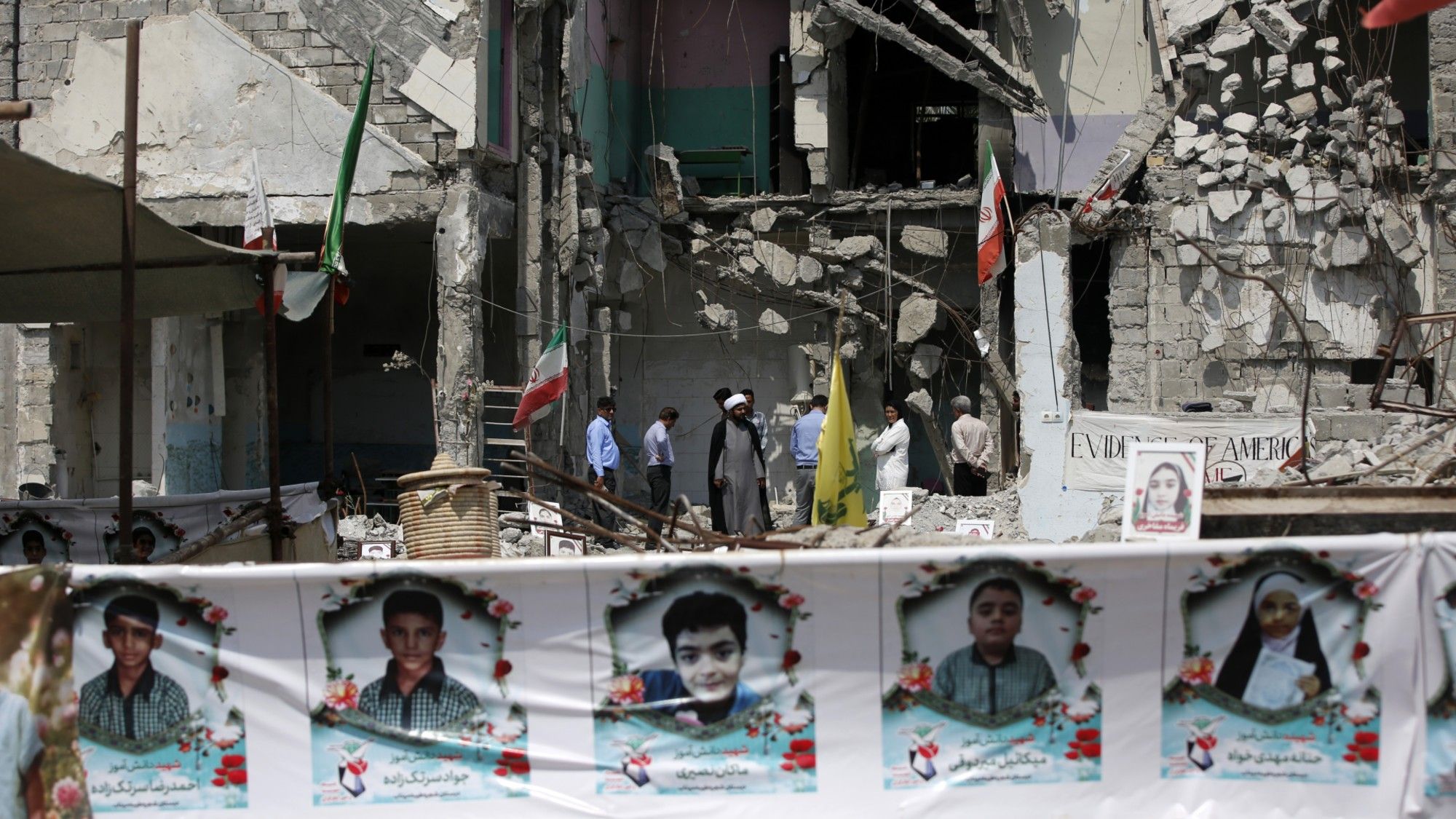
United Nations investigators recently announced findings that suggest the United States may have committed war crimes in Iran. This announcement comes amid increasing scrutiny of military actions that resulted in significant civilian casualties, particularly children. The ongoing situation is complex and raises concerns about accountability on the international stage.
The Findings of the UN Investigation
According to the Independent International Fact-Finding Mission on Iran, there are “reasonable grounds” to believe that U.S. forces engaged in indiscriminate attacks that killed at least 178 civilians. These incidents involved strikes on an elementary school and a sports center, both of which were populated with children and families at the time. The report also highlighted actions taken by the Iranian government, stating they had perpetrated crimes against humanity by executing, imprisoning, and torturing protesters.
The implications of these findings are severe, as they highlight not only the humanitarian crisis currently facing Iranian civilians but also the violation of international laws governing warfare. The report is set to influence international discussions regarding accountability and justice for affected populations.
The U.S. Response
In response to the accusations, U.S. officials have asserted that the bombing of the school was a result of a targeting error. However, the U.S. Department of Defense has yet to release any findings from its own investigation into the incident. Contradicting these claims, the U.N. investigators stated that the elementary school was clearly marked and was the intended target, which raises significant concerns regarding the practices and ethics of the military’s actions.
The White House has maintained that Iran is the primary perpetrator of war crimes in this conflict, dismissing the allegations against the U.S. as baseless. This defensive stance reflects the ongoing geopolitical tensions between the two nations and underscores the challenges of addressing human rights violations in conflict zones.
What’s Next?
The next steps involve a presentation of the investigation’s findings to the Human Rights Council in Geneva. While U.N. fact-finding missions serve primarily as investigative bodies without the power to initiate criminal proceedings, the evidence collected could contribute to future efforts towards justice in international courts. The findings add to a growing body of evidence regarding human rights violations during the ongoing conflict in Iran.
This situation has broader implications for international relations and humanitarian law, emphasizing the urgent need for accountability mechanisms for all parties involved in armed conflict. The global community will be watching closely as the United Nations navigates these sensitive issues, which may ultimately determine the course of future actions against human rights abuses.
The dialogue surrounding the U.S. and Iranian conflict is multifaceted and dynamic, with a pressing need for clarity and constructive outcomes to protect civilian lives. The ramifications of the UN report extend far beyond Iran’s borders, underscoring the essential role of international governance in upholding human rights and maintaining global peace.
As more details emerge from the U.N. report, the world’s focus will likely intensify on the accountability of both the U.S. and Iranian governments, setting the stage for potentially transformative changes in international law and human rights enforcement.