
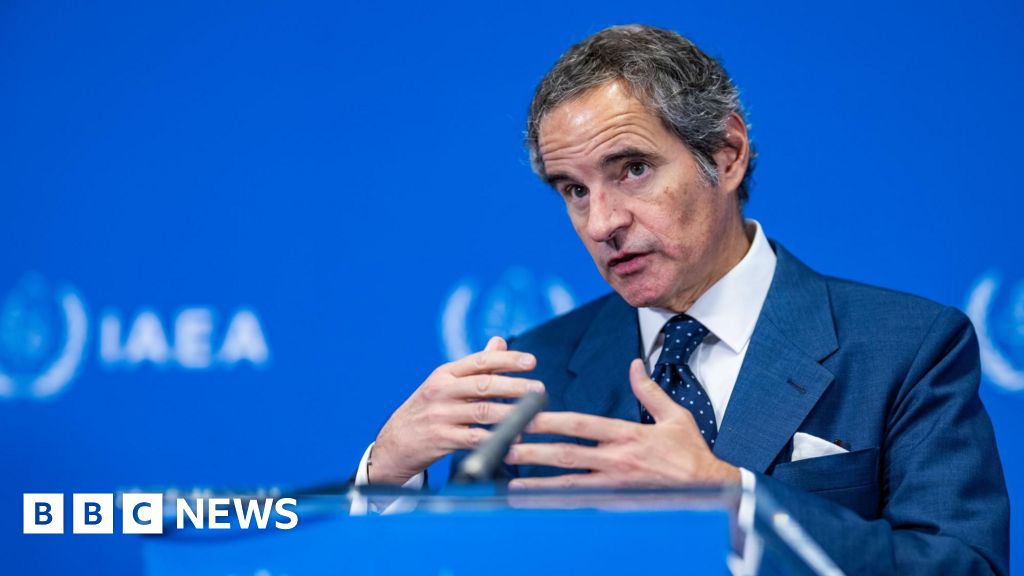
In recent discussions surrounding nuclear agreements, significant developments highlight the commitment of both parties to transparency and oversight in nuclear activities. A key aspect of this dialogue is the memorandum of understanding signed by both presidents, underscoring their dedication to safe nuclear practices.
Importance of the Memorandum of Understanding
The memorandum plays a crucial role in establishing a framework for nuclear oversight. It explicitly outlines that all nuclear activities involving materials and facilities will be under the supervision of the International Atomic Energy Agency (IAEA). This level of transparency is essential in alleviating international concerns about nuclear proliferation and safety. By ensuring that the IAEA monitors these activities, the agreement aims to foster confidence among the global community regarding the responsible use of nuclear technology.
IAEA’s Role in Nuclear Supervision
The International Atomic Energy Agency is a cornerstone in maintaining nuclear safety and non-proliferation. Its involvement in supervising the activities mentioned in the memorandum is vital. The IAEA not only sets standards for safety but also conducts regular inspections to confirm compliance with international agreements. This oversight is crucial for preventing the diversion of nuclear materials for military or unauthorized purposes. The memorandum serves to reinforce the IAEA’s authority and the expectation that the involved parties will adhere strictly to its regulations.
Impact on Global Nuclear Relations
The signed understanding is anticipated to have a positive ripple effect on global nuclear relations. By committing to rigorous oversight and transparency, the involved nations are setting a precedent for other countries considering similar agreements. This could lead to increased cooperation in nuclear energy development, where nations can exchange technology and knowledge while ensuring safety protocols are upheld. The commitment to supervision by the IAEA demonstrates a collaborative effort to create a more secure global nuclear environment.
Future Prospects
As the agreement unfolds, ongoing dialogue and cooperation will be essential for realizing the objectives laid out in the memorandum. The signatories must work collaboratively with the IAEA to ensure that all nuclear operations are conducted responsibly. Continuous communication and transparency will be key factors in maintaining trust between the nations and the IAEA. Looking forward, this agreement may also inspire further measures to enhance global nuclear safety and foster enduring partnerships centered around shared energy goals.
In conclusion, the memorandum of understanding signed by both presidents signifies a pivotal step toward enhanced nuclear safety and oversight. Through the commitment to IAEA supervision, both nations are making a statement about responsible nuclear use, which may help to strengthen international relations and promote greater cooperation in the field of nuclear energy.