Gina Romero Rodríguez, the United Nations special rapporteur for the freedom of peaceful assembly and association, announced her participation in a weekly hunger strike starting Tuesday. This initiative aims to protest the ongoing human rights abuses and the use of the death penalty by the Iranian government to silence dissent.
Joining the Fight Against Human Rights Violations
In a recent video posted on social media, Rodríguez confirmed her involvement in the weekly “no-execution Tuesday hunger strike.” This event highlights the significant issues of capital punishment and the ongoing repression of peaceful assembly rights in Iran. She emphasizes that the Iranian regime’s pervasive use of the death penalty is targeted at individuals for exercising fundamental freedoms such as assembly, association, and expression.
Recent Atrocities and Human Rights Abuses
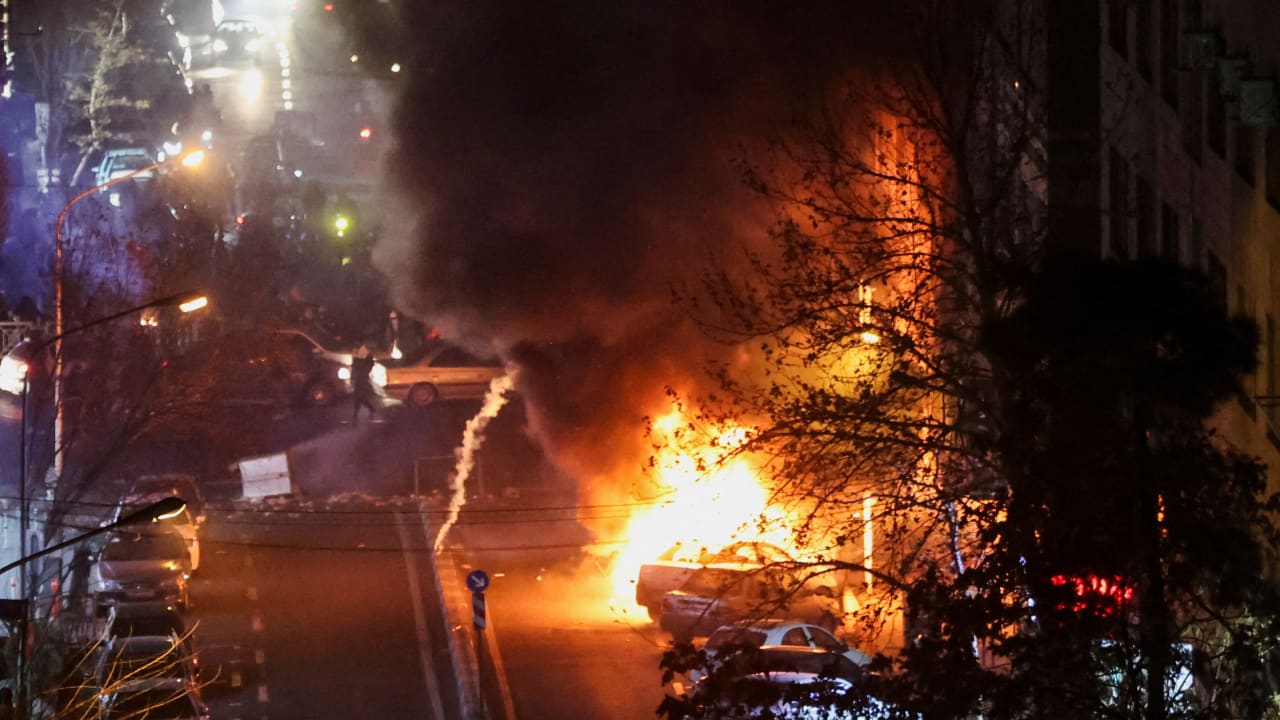
Rodríguez recalled the brutal crackdown by the Iranian authorities in January, during which thousands of protesters were killed. Current estimates suggest that approximately 30,000 individuals may have lost their lives amidst the ongoing repression. Despite these alarming numbers, many human rights organizations are struggling to ascertain the exact toll due to Iran’s internet restrictions and continued suppression efforts. Rodríguez pointed out that at least 46 political prisoners and protesters have been executed since March 19, marking a concerning increase in state-sponsored executions.
The special rapporteur also drew attention to the alarming rate of political executions in Iran, the highest seen in nearly four decades. Many protesters are unlawfully detained, and their trials are often marred by significant procedural irregularities, human rights violations, and torture. The Iranian regime’s use of capital punishment against young people, including students and athletes, starkly illustrates the regime’s intent to quell peaceful political dissent.
A Call for Global Solidarity
Rodríguez urged the international community to join her in this hunger strike to show solidarity with those who have lost their lives in Iran’s protests, including several young victims. She cited specific cases of individuals who have been unjustly sentenced to death, including 18-year-old Shervin Bagherian and former boxing champion Mohammad Javad Vafaie Sani. Both are emblematic of the youth affected by Iran’s harsh penalties for expressing dissent.
Furthermore, many prisoners on death row have faced similar fates. This includes the Fathi brothers, who were sentenced for their alleged involvement in the death of a Basij member, a charge that has been criticized for being devoid of fair trial conditions. Reports indicate widespread torture of those accused, illustrating the dire state of human rights within the country.
Conclusion: The Global Responsibility
With reported executions in Iran reaching unprecedented levels, including juvenile offenders, Rodriguez’s initiative seeks to shed light on the need for global intervention and awareness regarding human rights violations in Iran. By participating in this hunger strike, she is not only raising awareness but calling for action against systemic oppression, urging people worldwide to advocate for justice and change.