
President Donald Trump’s presidency reached a pivotal moment as the U.S.-Israel conflict with Iran marks six months since its initiation. Trump once described the military engagement as a brief “excursion,” yet the protracted nature of the war challenges that notion. As tensions escalate, both nationally and internationally, the implications of this unforeseen duration raise concerns over military strategy and democratic processes within the United States.
Voting Rights Under Scrutiny
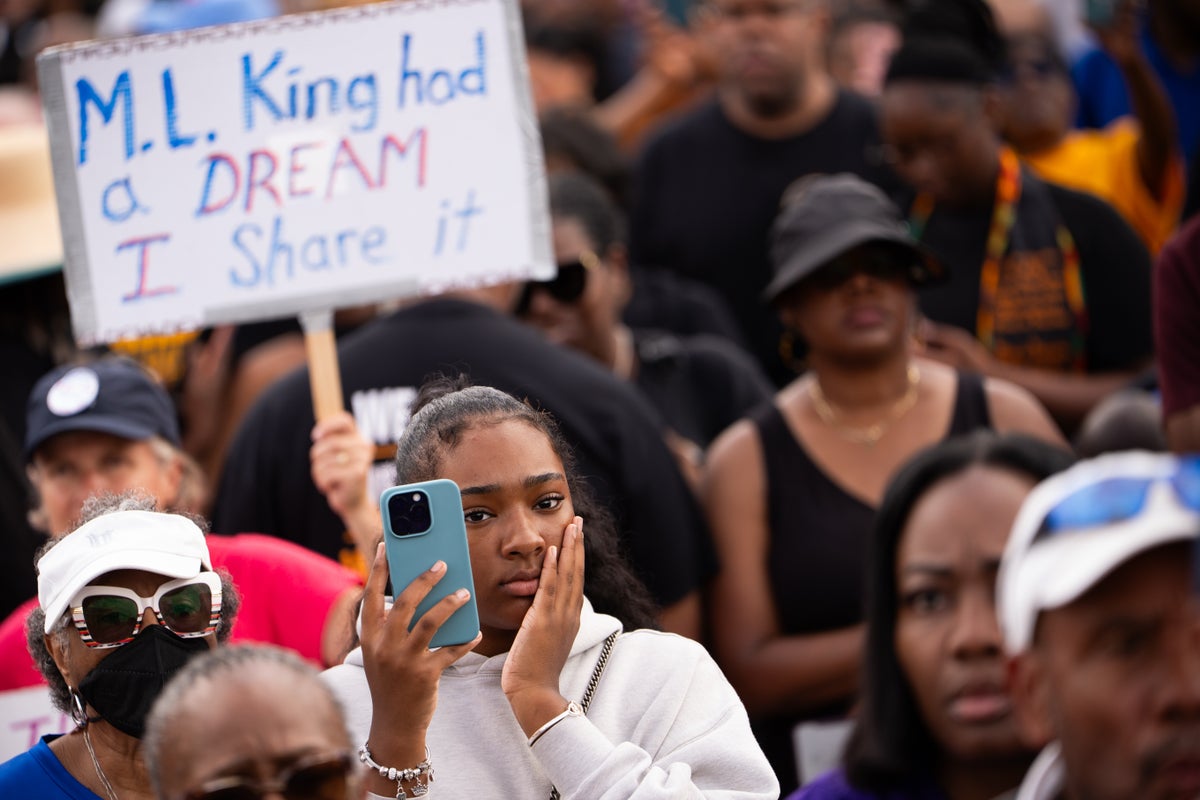
In a separate yet significant development, a federal judge recently halted Trump’s executive order that limited mail voting. This judicial intervention arrives amid massive gatherings on the National Mall advocating for voting rights in light of upcoming midterm elections. Demonstrators have criticized recent voting law revisions, asserting they disproportionately affect racial justice and marginalized communities, especially African Americans. The current political climate has ignited activism, as citizens rally for equitable access to voting.
Amid these protests, notable headlines emerged, including the U.S. government’s revocation of the visa for Taif Sami Mohammed Al Shakarchi, a former Iraqi finance minister honored with the “International Women of Courage” award in 2022. This action follows accusations of her involvement in corruption by Iraqi authorities and her subsequent addition to the FBI’s terrorism watchlist, casting a shadow over diplomatic relations.
Economic Sanctions Against Iran
Beyond domestic politics, the Trump administration’s strategy is shifting toward economic sanctions, particularly against entities in the United Arab Emirates linked to Iran. The U.S. Treasury Department has put a spotlight on Banque Misr, Egypt’s second-largest bank, for allegedly providing financial support to Tehran. An operation termed “Economic Outcast” warns that countries engaging with Iran face economic repercussions. This change in tactics indicates a potential pivot in focus from military engagement to financial pressure to mitigate risks associated with Iranian influence.
The conflict’s unfolding narrative has led to significant shifts in U.S. objectives. Initially set on a rapid resolution, the administration now grapples with diminishing military resources and an urgent need to reassess its strategic approach. Proposals have emerged to ensure vital interests in the region, particularly concerning the Strait of Hormuz, an area of critical importance for global oil trade.
Public Sentiment and Future Implications
As Trump faces intense scrutiny over the war’s extension, comparisons to past administrations arise. Echoes of President George W. Bush’s “Mission Accomplished” speech serve as a cautionary tale regarding premature declarations of victory. Despite assurances of a swift victory, the ongoing challenges signal that Trump’s administration may need to rethink its narrative surrounding the conflict. As financial burdens from the war mount, public sentiment around the military engagement may further weigh on Trump’s approval ratings in the lead-up to the midterm elections.
In conclusion, the current landscape presents myriad challenges both domestically and internationally. With issues surrounding voting rights and the intricate dynamics of the ongoing Iran war, Trump’s presidency must navigate a complex web of public opinion, judicial actions, and evolving military strategies. As events unfold, the interplay between grassroots movements and government actions will undoubtedly shape the political landscape in the months ahead.