
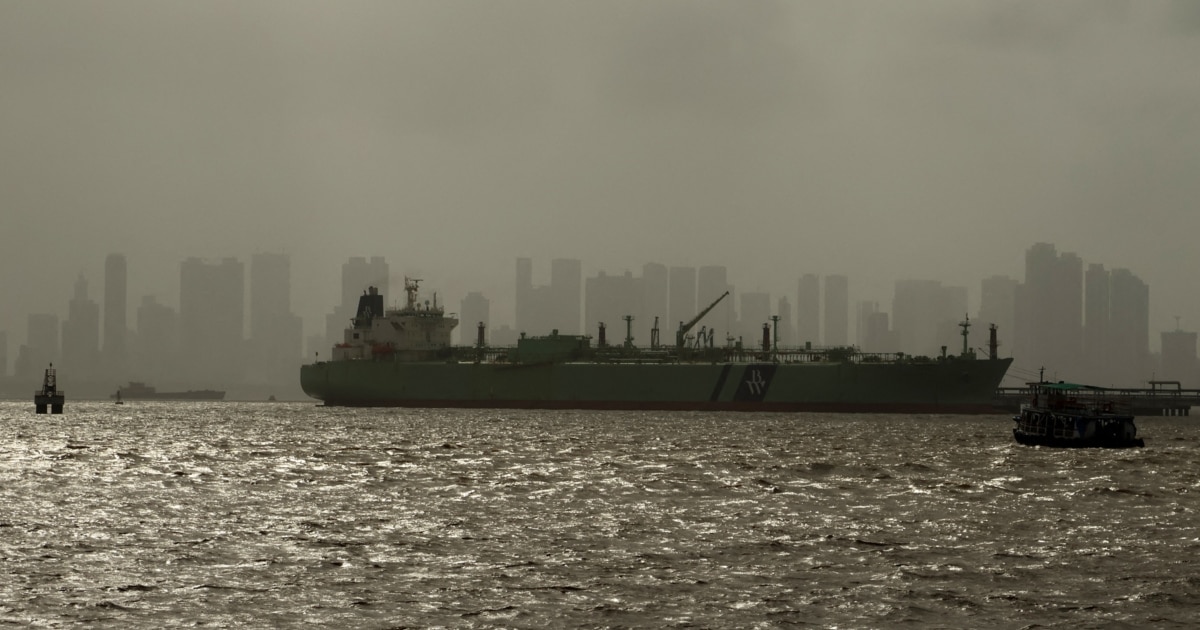
The recent expiration of a waiver on sanctions targeting Russian seaborne oil has reignited tensions in U.S. foreign policy regarding energy security and global economic stability. Implemented by the Trump administration, the waiver allowed countries such as India to continue purchasing Russian crude amidst efforts to curtail Moscow’s wartime revenue streams. Now, with the restrictions reinstated, Washington faces the challenging task of balancing sanctions on Russia while managing the potential repercussions on global energy markets.
Expiration of the Waiver
The waiver, effective until May 16, was initially introduced in March and extended in April. It permitted specific transactions involving Russian oil cargoes that had been loaded onto tankers before the sanctions deadlines. Administration officials advocated for this measure as a temporary protection strategy aimed at preventing a global energy crisis, especially as geopolitical tensions in the Middle East drove oil prices upward and threatened crucial shipping routes.
However, critics, including lawmakers from both parties, have raised concerns. Senior Democratic senators Jeanne Shaheen and Elizabeth Warren argued that the waiver had done little to alleviate fuel costs for American consumers while simultaneously allowing Russia to accumulate significant oil revenue. In a joint statement, they called for an end to this policy, accusing it of fruitlessly supporting Moscow’s financial gains in the context of its ongoing conflict in Ukraine.
Political Reactions and Consequences
Republican lawmakers echoed sentiments urging for a continuation of sanctions against Russia but cautioned against measures that could inadvertently affect allied economies reliant on Russian energy supplies. Brian Mast, the Republican chairman of the House Foreign Affairs Committee, voiced his support for existing sanctions, emphasizing the need for policies that inflict more damage on adversaries while ensuring no additional harm comes to allies.
The expiration of the waiver happens at a critical juncture, with U.S. gasoline prices remaining elevated and inflation concerns persisting ahead of the upcoming midterm elections. Some European officials have expressed discontent with the temporary reprieve, arguing it undermines the broader aim of reducing Moscow’s wartime revenue. This situation has resulted in a complex web of dependencies and demands stemming from both strategic considerations and current market realities.
Energy Market Pressures
Despite the effort to impose stricter sanctions, analysts express skepticism about the durability of this tougher stance. Energy-dependent countries, particularly in Asia such as India and Indonesia, reportedly lobbied for the waiver’s extension, citing concerns over tightening global energy supplies. According to sanctions expert Brett Erickson, Washington is faced with a looming conflict between ethical mandates and pragmatic energy market demands.
Erickson points out that while the administration may project firmness in its sanctions policy, economic pressures tend to shift the narrative quickly. He anticipates that additional sanctions relief could be on the horizon, as the Treasury Department has historically altered its restrictions in response to pressures from global energy markets. This predictable dynamic has fostered an environment in which sanctions effectiveness is consistently challenged by economic realities.
Ukraine’s Call for Persistent Sanctions
From Ukraine’s perspective, the temporary easing of sanctions has never seemed strategically justified. Senior advisor to President Volodymyr Zelenskyy, Vladyslav Vlasiuk, argues that the sanctions regime should be fortified rather than loosened, citing their effectiveness in advancing peace negotiations. He expressed concern that even temporary waivers could funnel billions in additional revenue into Moscow’s war efforts, further complicating the geopolitical landscape.
As diplomatic pressures surround energy security and sanctions enforcement, the stakes are set to rise, particularly with anticipated high-level visits by U.S. officials to energy-dependent nations. As the situation evolves, the global community watches closely to see how these intricate dynamics will unfold, balancing the imperative for sanctions against the realities of a fraught energy market.