
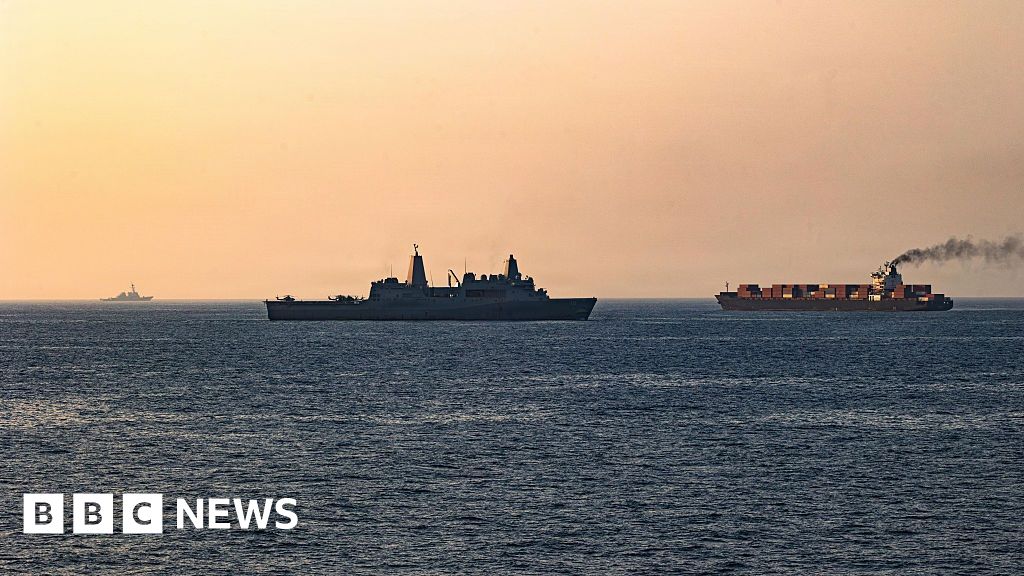
The recent military actions taken by the United States have marked a significant escalation in tensions between the U.S. and Iran. Following an attack on American bases in Jordan, the U.S. responded decisively, emphasizing the importance of protecting its personnel and interests in the region. This situation has ignited discussions around military strategy and international relations in the Middle East.
Context of the U.S.-Iran Tensions
The relationship between the U.S. and Iran has been fraught with conflicts, particularly following the U.S.’s withdrawal from the Joint Comprehensive Plan of Action (JCPOA) in 2018. This agreement, originally designed to limit Iran’s nuclear capabilities, has since been a focal point of discord. In a region already marked by instability, the recent violation of U.S. bases has raised alarms about potential further military confrontations. The response from the U.S. aims not only to deter Iranian aggression but also to reaffirm American commitment to its allies.
The U.S. Military Response
In light of the missile strikes from Iran, U.S. military officials labeled the retaliatory actions as “a powerful response.” This strong language underscores the seriousness with which the U.S. government views such threats. By targeting the capabilities of the Iranian military, the U.S. has signaled that it will not tolerate attacks on its forces. This response could also serve as a warning to other nations who might see the current geopolitical climate as an opportunity to challenge U.S. authority in the region.
Implications for Regional Stability
The military strike introduces uncertainty regarding stability in the Middle East. Many analysts suggest that continued hostilities could provoke further retaliatory actions from Iran, potentially leading to a cycle of violence. This pattern may not only escalate tensions between the U.S. and Iran but also affect relations with other nations in the region, including Iraq and Syria, where militia groups aligned with Iran operate. The balance of power is delicate, and miscalculations could have dire consequences.
Future Considerations
As the situation evolves, it will be critical for policymakers to consider the broader ramifications of military actions in this historically volatile region. Diplomatic channels remain pivotal in de-escalating tensions, even amid aggressive posturing. The necessity for open dialogue and negotiation strategies is essential to stabilize the region and avoid unnecessary confrontations. The world is watching closely, and how both the U.S. and Iran navigate this crisis will shape not only their futures but that of global political dynamics as well.
In conclusion, the U.S. military’s recent actions reflect a growing commitment to safeguarding its interests in the face of Iranian hostility. However, the path forward is fraught with challenges and risks, demanding a keen understanding of both military strategy and diplomatic engagement to foster a more peaceful Middle East.