
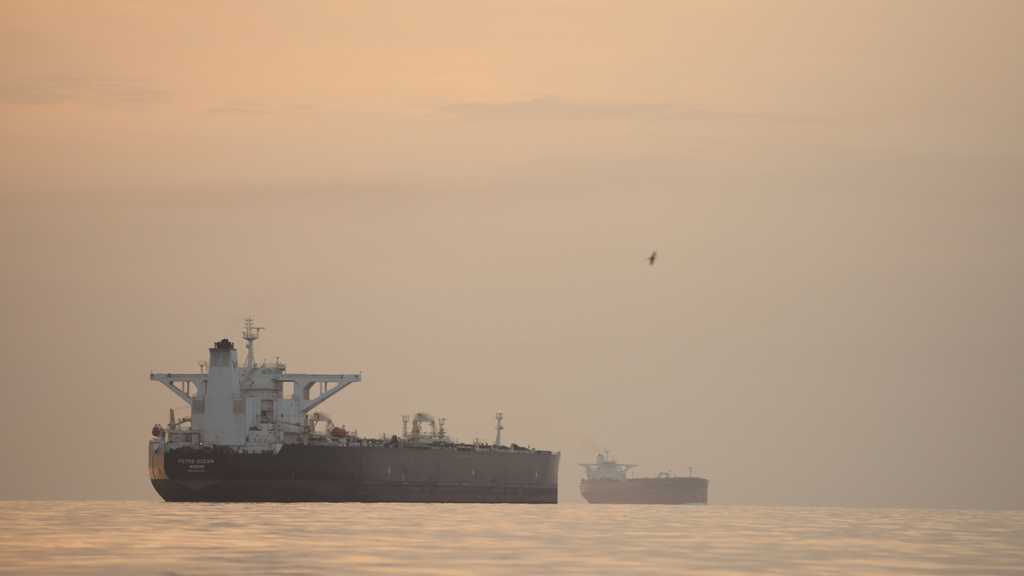
President Donald Trump’s initiation of a naval blockade aims to destabilize Iran’s economy while simultaneously pushing for constructive peace talks. This strategic move has significant implications not only for Iran but also for international relations in the region. Below, we will delve deeper into the various dimensions of this blockade, its intended effects, and the broader geopolitical context.
The Purpose of the Naval Blockade
The primary objective of Trump’s naval blockade against Iran is to create economic strains that would encourage the Iranian government to reconsider its existing policies. By limiting Iran’s maritime trade, particularly in crude oil—its most crucial export—the blockade seeks to hamper significant revenue streams. This restriction is intended to force Iran to engage in negotiations regarding its nuclear program and other contentious regional activities.
The blockade also serves as a message to allies and adversaries alike. It illustrates a firm stance on U.S. foreign policy regarding Iran, signaling that economic concessions are contingent on compliance with international norms. By leveraging military and economic pressure, the Trump administration intends to curb Iran’s influence in the Middle East, which the U.S. view as destabilizing.
Economic Consequences
The economic repercussions of the naval blockade are expected to be severe for Iran. A maritime blockade can lead to a sharp decline in trade, which would, in turn, exacerbate existing financial challenges faced by the nation. As Iran finds itself increasingly isolated, its currency could face further devaluation, leading to inflation and other economic hardships for its citizens.
Moreover, the blockade impacts not just the Iranian economy but also has ripple effects in global markets. Countries with vested interests in Iranian oil may reconsider their trading relationships, leading to shifts in market dynamics. These economic disruptions could provoke broader geopolitical tensions, as various nations may need to navigate their interests amid changing trade landscapes.
Strategic Implications on International Relations
Trump’s blockade could also influence U.S. relations with its allies and adversaries. European nations and China, which have continued to engage in trade with Iran despite U.S. sanctions, may face dilemmas about maintaining their ties with Tehran. This situation could result in diplomatic rifts as countries weigh the benefits of their economic partnerships against compliance with U.S. sanctions.
Furthermore, Iran might respond to the blockade with increased military provocations, which could escalate tensions in the Gulf region. The potential for miscommunication or miscalculation in such a charged environment raises the stakes, making international diplomacy more crucial than ever.
Long-term Outlook
While the naval blockade is intended as a short-term strategy to bring Iran to the negotiating table, its long-term efficacy remains uncertain. The prospect of economic ruin could either compel Iran to come to terms or could entrench its resolve to resist external pressures. The outcome will depend significantly on how both the United States and Iran manage this high-stakes situation.
In summary, President Trump’s naval blockade reflects a significant strategic maneuver aimed at applying pressure on Iran’s economy while pushing for meaningful dialogue. The blockade’s impacts extend beyond mere economic hardship; they influence global markets and international relations, making the situation even more complex. The future of this geopolitical struggle will be determined by the responses from both Iran and the international community, as each seeks to navigate an increasingly intricate landscape.