The Trump administration has recently intensified its sanctions against Iran’s aviation sector, designating over two dozen commercial and private airlines along with foreign cargo service providers. This move is aimed at further isolating Tehran from its global trading partners and augmenting the economic pressure on the already beleaguered Iranian government.
Operation Economic Outcast: The Push for Isolation
These actions form part of the Trump administration’s broader strategy known as Operation Economic Outcast. The initiative focuses on cutting off critical financial resources to Iran, which has faced extensive sanctions for years. By targeting the aviation industry, the administration aims to severely limit Tehran’s ability to access vital international markets and hinder its economic operations.
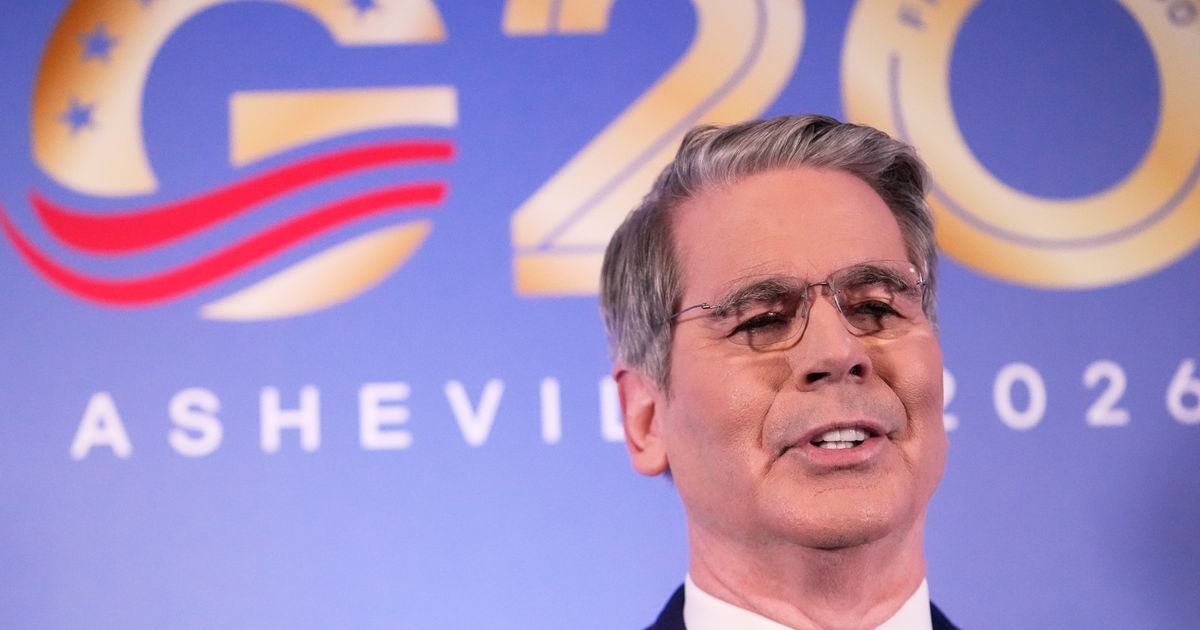
Treasury Secretary Scott Bessent issued a stern warning regarding the new sanctions. He emphasized the risks involved for any entities dealing with Iran’s sanctioned airlines, indicating that these businesses may face exclusion from the global financial system. The message is clear: the Trump administration is willing to take aggressive actions against any foreign firms that collaborate with Iran’s airlines.
Accusations of Illicit Activities
The U.S. government claims that the 36 entities affected by the latest sanctions have aided Iran’s efforts to utilize its aviation industry for transporting weapons, personnel, and other illicit cargo. Consequently, foreign companies and governments engaging in business with these sanctioned entities will also risk facing penalties, including asset freezes within U.S. jurisdictions. This interconnected web of sanctions aims to ensure that any foreign involvement with Iran’s aviation sector comes with significant repercussions.
The administration has pointed fingers at various companies in Turkey, the United Arab Emirates, Kazakhstan, and Malaysia, accusing them of providing essential parts and logistical support to Mahan Air, a prominent Iranian airline. Mahan Air has had a troubled history with U.S. sanctions, facing accusations of aiding Iran’s paramilitary Revolutionary Guard in its operations. Since 2019, the airline has been embroiled in counterterrorism sanctions due to its links to organizations labeled as terrorist entities by the U.S. State Department.
The Ongoing Economic and Military Strategy
This latest wave of sanctions is part of a dual strategy that combines economic and military measures. President Trump has expressed a commitment to ending hostilities between the U.S. and Iran, which has persisted for over six months. Yet, the sanctions reflect an ongoing struggle to disrupt Iran’s influence and deter its military activities.
In addition to targeting aviation entities, recent sanctions have also impacted Golden Global Yatirim Bankasi Anonim Sirketi, a Turkish financial institution accused of facilitating Iranian oil revenue transfers between China and Turkey. This move is indicative of the administration’s intent to dismantle Iran’s financial networks. It also highlights the complexity of global finance as the U.S. seeks to limit Iran’s economic footprint without destabilizing the broader financial ecosystem.
Additionally, previous restrictions were applied to firms operating from the UAE as part of the ongoing campaign. However, the administration has thus far refrained from implementing further sanctions, indicating a careful balancing act as it attempts to sever Iran’s economic ties while avoiding significant disruptions to global finance.
In conclusion, the Trump administration’s latest sanctions reflect a determined effort to isolate Iran economically and militarily. By targeting the aviation industry and associated entities, the administration hopes to apply further pressure on Tehran, complicating its international operations and curtailing its capacity to navigate the global trading landscape.