
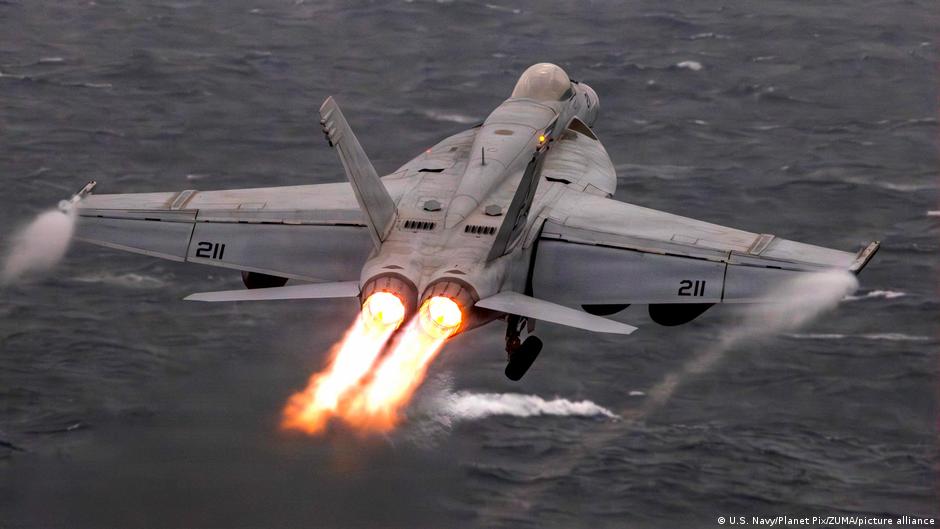
Tensions have risen sharply in the Strait of Hormuz following a series of strikes by the United States on Iranian positions. This development marks a significant escalation in the ongoing hostilities within this strategically vital region, often a focal point for geopolitical conflicts. The latest attacks have not only targeted Iranian military assets but have also impacted local infrastructure, prompting fears of further violence and disruption in the area.
Recent Attacks in the Strait of Hormuz
On Tuesday night, explosions rattled the cities of Bandar Abbas and Qeshm, as well as the Lavan Island, which hosts crucial oil export terminals for Iran. The Iranian state television reported these incidents amid heightened military activity. In a bid to maintain security, the US Central Command (CENTCOM) confirmed that the strikes were a direct response to recent provocations from Iran’s Islamic Revolutionary Guard Corps (IRGC), which included attempts to threaten commercial shipping in the strait.
President Donald Trump characterized the attacks as “large and powerful,” asserting that they were in retaliation for Iran’s alleged attempts to deploy mines in the strait and the launch of missiles toward a US military base in Jordan, all of which he claimed were intercepted. He emphasized that any Iranian retaliation would meet with even more severe consequences. These threats have heightened fears of a broader conflict, complicating an already volatile situation.
Iran’s Response and Escalating Tensions
In retaliation, the IRGC has vowed to respond decisively. A spokesperson stated that the US would “regret” their actions, and Iran’s military command promised to deliver “crushing and devastating blows” targeting US interests in the region. Reports indicated that Iranian forces had already commenced operations against unspecified US targets, employing missiles and drones. This cycle of retaliation underscores the risk of escalatory violence that could destabilize the entire region.
International economic implications are already evident, as oil prices surged following the strikes. With US crude experiencing an increase of up to 5%, analysts warn that prolonged hostilities may further impact global oil markets, exacerbating existing economic vulnerabilities.
Sanctions and Diplomatic Maneuvering
As military tensions escalate, diplomatic efforts have continued, albeit amidst a backdrop of hostility. US Treasury Secretary Scott Bessent announced the impending imposition of additional sanctions on Iran, targeting financial institutions associated with the IRGC. Such economic measures are part of a broader strategy to isolate Iran and weaken its military capabilities.
Meanwhile, Iranian President Masoud Pezeshkian has urged for a return to dialogue, stating that Tehran is willing to reciprocate any US actions that signal a commitment to the collapsed interim ceasefire agreement. His remarks, made during the Shanghai Cooperation Organization summit, highlight the fragile nature of diplomatic relations amid military skirmishes. Pezeshkian’s meeting with Russian President Vladimir Putin also emphasized solidarity against US sanctions, further complicating the international diplomatic landscape.
As the situation unfolds, the potential for escalation looms large, not only threatening regional stability but also impacting global economic conditions. The interplay of military actions, sanctions, and diplomatic negotiations will shape the coming days, as both nations navigate a perilous landscape marked by competing interests and longstanding grievances.