
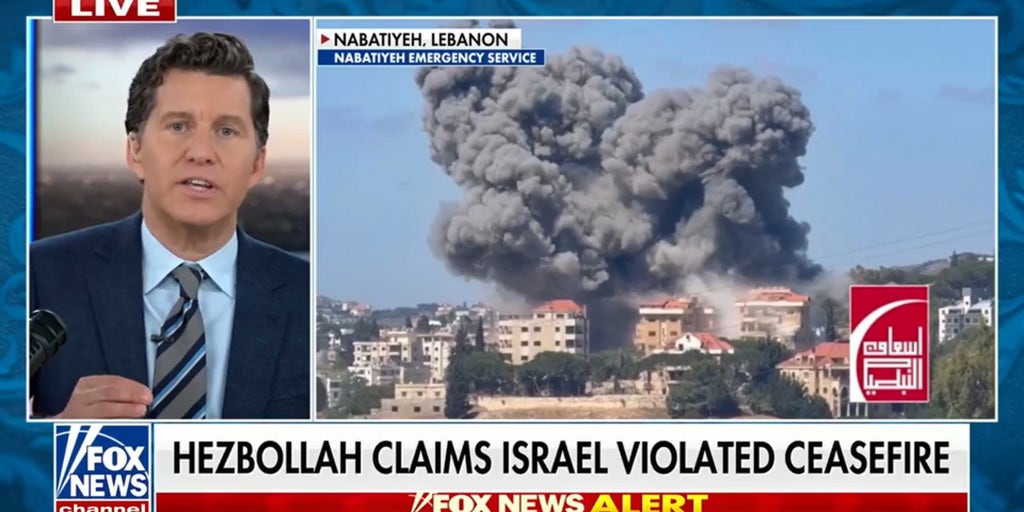
The geopolitical landscape involving the U.S. and Iran has become increasingly complex, particularly with recent developments affecting diplomatic talks. As various tensions in the Middle East simmer, the delay in significant discussions aimed at stabilizing the region raises concerns. Furthermore, with the recent unveiling of the new Air Force One by Donald Trump, the focus on U.S. military strength and capabilities adds another layer to the ongoing negotiations.
Latest Developments in U.S.-Iran Negotiations
The anticipation surrounding U.S.-Iran negotiations recently escalated, only to be met with setbacks. The planned discussions in Switzerland, which were to address pressing issues such as Iran’s drone activities and the fragile peace in the region, have been postponed. This delay raises questions about the effectiveness of diplomacy when tensions are already high. Experts, including retired Staff Sgt. David Bellavia, have weighed in on the complexities surrounding these talks, emphasizing the importance of addressing Iran’s regional aspirations and their implications for U.S. allies.
Iran has been accused of engaging in escalating drone attacks against Gulf nations, creating a precarious climate for dialogue. Such aggressive behavior not only threatens regional stability but also complicates any potential agreements with the United States. The strategic use of drone technology by Iran serves to underline the critical need for the U.S. to engage in serious negotiations, as ongoing aggression can easily destabilize the already fragile peace.
Trump’s Strategic Display of Military Power
In a related context, Donald Trump recently showcased the new Air Force One at Joint Base Andrews, highlighting its cutting-edge capabilities. This event was not merely a display of technology but also a strategic move to assert American military strength on the global stage. By announcing a planned Fourth of July flyover, Trump reinforces a message of superiority at a time when U.S. foreign relations face challenges. The juxtaposition of technological advancement with the ongoing diplomatic dilemmas serves to illustrate the multifaceted nature of global politics today.
The unveiling is symbolic and serves multiple purposes. It not only instills a sense of national pride among Americans but also sends a clear message to adversaries. As tensions rise in the Middle East, ensuring that the U.S. maintains a robust military image is crucial. While the display of military might may deter certain actions from rival nations like Iran, it also highlights the necessity of diplomatic channels to avert escalation into armed conflict.
The Imperative for Effective Diplomacy
The key to navigating these turbulent waters lies in effective diplomacy. The postponed talks in Switzerland underscore the challenges faced in reaching a consensus amid rising animosities. It is essential for both parties to see the bigger picture: maintaining peace and stability in the region can lead to mutual benefits. Engaging in constructive dialogue may help alleviate fears and lay the groundwork for a more secure future.
While military displays serve as a reminder of U.S. power, lasting solutions to international tensions depend largely on diplomatic efforts. As experts continue to call for renewed focus on negotiations, the ability to bridge the gap between military strength and diplomatic resolution will be vital. The interplay of these factors will determine not just the outcome of U.S.-Iran relations but also the broader dynamics of peace in the Middle East.