
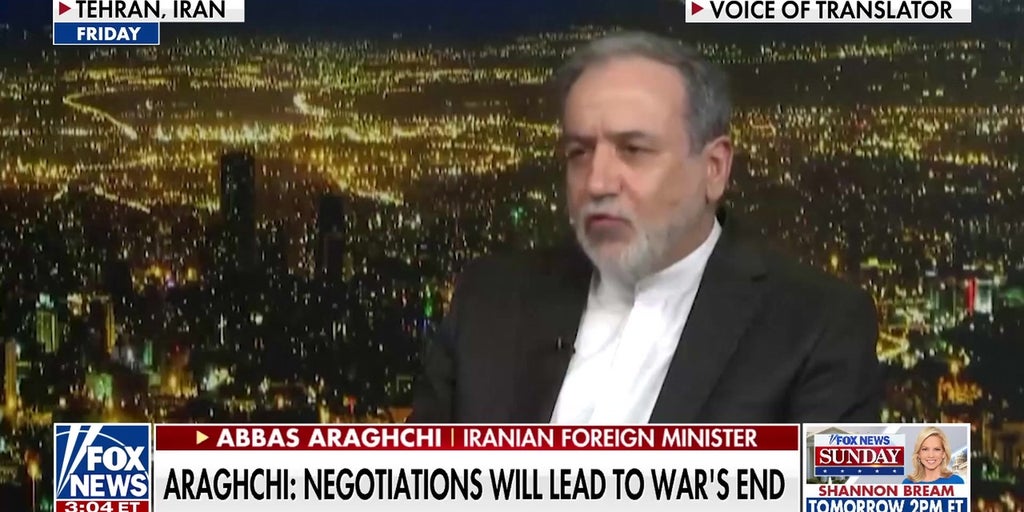
The ongoing peace negotiations between the United States and Iran are crucial in shaping the future dynamics in the Middle East. As tensions rise and diplomatic talks progress, both nations grapple with the complexities of their relationship. This article explores the current status of these negotiations, delving into the key factors influencing them.
The Context of U.S.-Iran Relations
The relationship between the United States and Iran has been historically tumultuous, marred by mutual distrust and conflicting interests. Following the 1979 Iranian Revolution and the subsequent hostage crisis, diplomatic ties were severed, leading to decades of sanctions and confrontations. However, recent developments, including the ongoing peace discussions, signal a potential shift in this long-standing rivalry. The global community is keenly observing these talks, as they could significantly alter the geopolitical landscape in the region.
Current Status of Peace Talks
As of now, the United States and Iran are engaged in multi-layered discussions aimed at stabilizing relations and addressing nuclear proliferation concerns. The Biden administration has expressed interest in re-entering the Joint Comprehensive Plan of Action (JCPOA), a deal which aimed to curb Iran’s nuclear program in exchange for the lifting of economic sanctions. Despite the challenges, negotiators from both sides continue to meet, highlighting a tentative commitment to finding common ground. The outcome of these talks is not just a matter of diplomatic protocol; it has far-reaching implications for security and economic conditions in the region.
Challenges Facing Negotiators
Despite optimistic remarks from some officials, significant obstacles remain. Divisions within Iran’s political landscape complicate negotiations, as hardliners and reformists often disagree on external relations, particularly with the U.S. Additionally, regional partners like Israel and Gulf Arab states are wary of any agreements that could empower Iran. Any agreement must consider these external pressures, ensuring a balance that maintains regional stability. The intricate web of alliances and enmities in the Middle East adds another layer of complexity to the peace talks.
The Road Ahead
Moving forward, the success of the U.S.-Iran negotiations will depend on mutual concessions and a willingness to engage in dialogue. As the situation evolves, global stakeholders will play a role in shaping the outcome of these discussions. Both countries must navigate the intricacies of their national interests while being receptive to the expectations of international allies. The potential for a breakthrough exists, but it requires commitment and flexibility from both sides.
In conclusion, the ongoing peace talks between the United States and Iran represent a pivotal moment in international relations. As they grapple with historical grievances and current geopolitical dynamics, the world watches closely. The stakes are high, and the outcome of these negotiations could very well redefine the balance of power in the Middle East for years to come.