
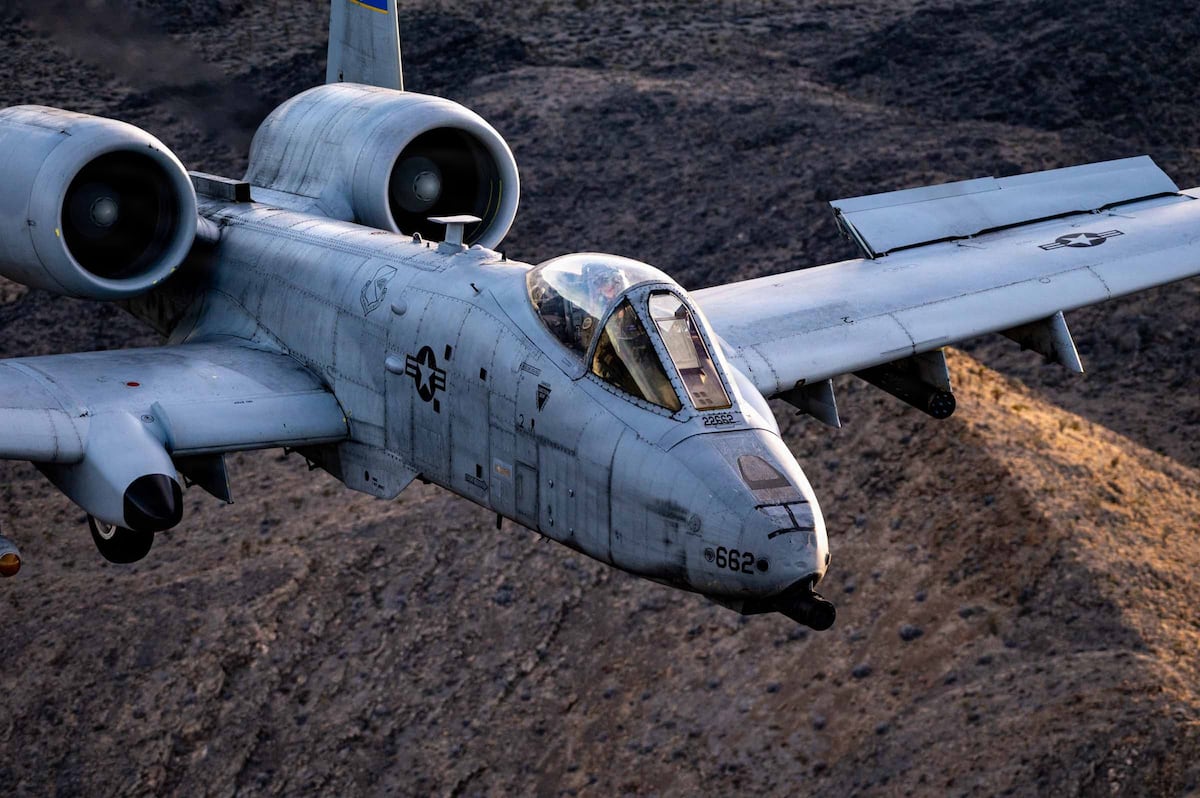
Iran recently launched strikes that resulted in damage to several American military aircraft stationed at the Muwaffaq Salti Air Base in Jordan, according to reports from U.S. officials. This incident underscores the escalating tensions in the region and the ongoing conflict that has greatly impacted U.S. military assets and personnel.
Military Setbacks Amid Heightened Tensions
The U.S. military, recognized as the most well-funded armed force globally, has encountered substantial material losses even before the latest Iranian attacks. Reports indicate that over two dozen drones have been destroyed, and numerous aircraft have sustained damage from Iranian strikes and accidents. A report from the Congressional Research Service in May indicated that 42 U.S. military aircraft had either been lost or damaged due to ongoing hostilities.
Since the onset of the conflicts involving Iran in February, the toll on U.S. forces has been severe. At least 18 service members have lost their lives, and more than 800 have suffered injuries. These numbers reflect not only the risks involved in military operations in volatile regions but also the long-term implications for U.S. foreign policy and military strategy.
Details of the Recent Iranian Strike
In a recent attack, one A-10 Thunderbolt II, commonly referred to as the Warthog, was significantly damaged, losing a wing. Additionally, about eight F-15 fighter jets sustained minor damage but were subsequently returned to operational status. This event highlights the constant threat posed by Iranian military actions and the kinetic nature of this conflict.
This airstrike came in the aftermath of U.S. military operations that reportedly destroyed five Iranian crude oil carriers. The U.S. stated that these actions were in retaliation for recent ballistic missile attacks from Iran’s Islamic Revolutionary Guard Corps, targeting a U.S. Navy warship. Such escalations in hostilities complicate an already tense landscape and raise further concerns about future military engagements.
Intercepting Threats: The U.S. Response
In response to the Iranian assault, U.S. forces reportedly deployed around 30 Patriot interceptor missiles to counter the incoming threats. A U.S. official, speaking on the condition of anonymity, highlighted growing apprehensions regarding the U.S. military’s stockpile of air defense interceptors and missile inventory. Although specific numbers remain classified, estimates from the Center for Strategic and International Studies suggest that approximately 65% of U.S. Patriot interceptors were used between February and July, drastically reducing the available count from 2,330 to fewer than 850.
As the situation continues to evolve, the implications for U.S. military readiness and its strategic posture in the Middle East are significant. The decreasing inventory of interceptors raises questions about the long-term viability of U.S. air defenses in the face of escalating Iranian aggression. The ongoing conflict has already shown its capacity to inflict considerable damage on U.S. military assets, making the need for adaptability and a robust strategy paramount for future operations.
In summary, the latest events involving Iranian strikes against American military aircraft highlight the increasing complexity of U.S.-Iran relations and the impact of ongoing military engagements. As tensions rise, the challenges confronting U.S. forces remain numerous, calling for a reevaluation of both resources and strategies in dealing with this persistent threat.