A high-ranking official from the US Treasury Department, Jonathan Burke, has embarked on a significant diplomatic mission across the Middle East. His primary aim was to convey the serious implications of continued trade with Iran. According to a recent report from the Wall Street Journal, Burke made it clear that countries maintaining economic ties with Iran risk being entirely cut off from the US market.
Trade with Washington or Iran: A Tough Choice
According to Burke, the stakes are high: “You either trade with Washington, or you trade with Iran.” This ultimatum reflects the United States’ robust stance on Iran as part of its ongoing sanctions regime. Such remarks serve as both a warning and a call to action for nations in the region that may still be contemplating partnerships with Tehran. The restrictions imposed under the US’s Operation Economic Outcast, launched in August, are designed to isolate Iran both economically and diplomatically.
Sanctions and Their Effects on Regional Partnerships
In anticipation of these sanctions, several regional partners have already begun to sever their ties with Iran. Iraq, for instance, halted Iranian flights to and from its territory following threats from the US to sanction airports that service Iranian carriers. This has made clear the far-reaching effects of US policy and how it can alter traditional alliances in the Middle East.
Burke noted a growing urgency from Middle Eastern allies regarding the US sanctions. “They’re taking it very seriously,” he stated, emphasizing that nations are now more inclined to re-evaluate their relationships with Iran in light of potential repercussions.
Burke’s Diplomatic Efforts Across the Middle East
Burke’s diplomatic tour included over 50 countries across Europe and the Middle East, where he consistently warned that continuing relationships with Iran could lead to substantial economic penalties. His initial stop was Oman, a nation that has often acted as a mediator between Tehran and Western countries. This visit notably underscored the seriousness of US enforcement of sanctions and the economic implications of non-compliance.
Despite Burke’s pressure, connections between Iran and some countries remain; flights from Iran to China and Russia continue to operate. However, businesses that are tied to Iran still face the risk of US-imposed sanctions even in these nations.
Iran’s Response and Regional Implications
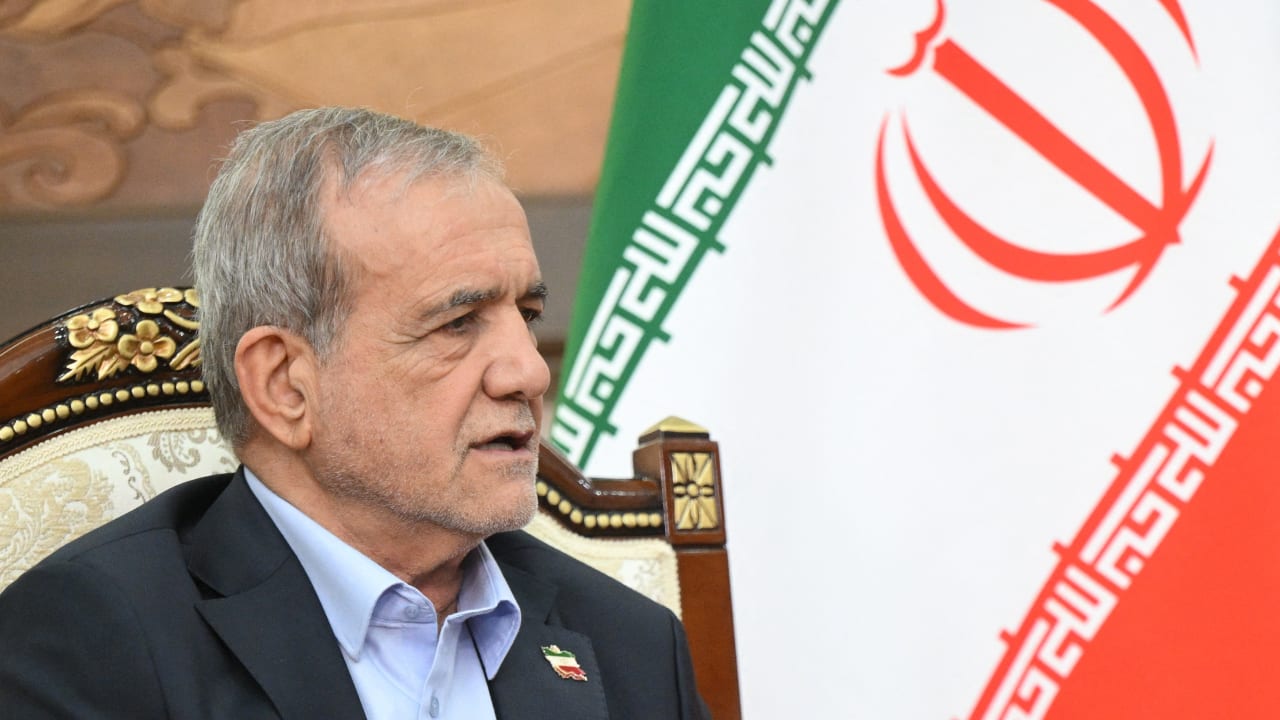
Iranian President Masoud Pezeshkian, addressing the United Nations General Assembly, acknowledged the significant impact of US sanctions on his country. However, he characterized Iran as a victim of what he called US terrorism. Pezeshkian’s defiant stance highlights the ongoing tensions and the difficulties Tehran faces in maintaining its influence amidst growing isolation.
Regional relationships are increasingly strained as Iran faces intensifying sanctions from the US, which have limited its banking and trade capabilities. Persistent fears of US penalties have encouraged many of Iran’s partners to distance themselves, marking a pivotal moment in Middle Eastern geopolitics. In summary, the landscape is shifting as nations grapple with the reality of US sanctions versus the prospects of engaging with Iran, an issue that will likely shape diplomatic and economic strategies in the region for years to come.