
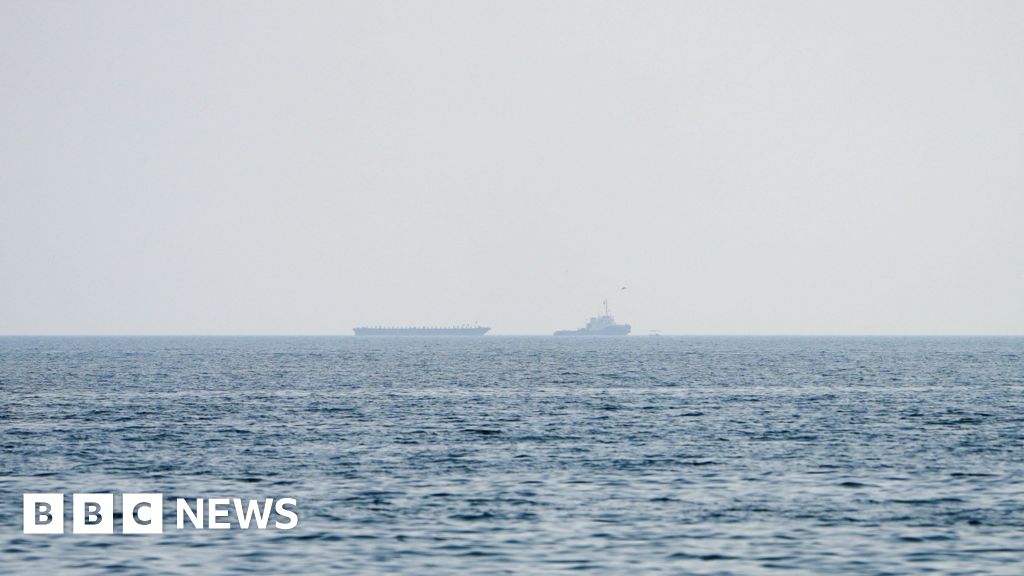
On the stage of international affairs, the ongoing tensions between the United States and Iran have reached a critical juncture, especially concerning maritime security. As hostilities escalate, President Donald Trump has made a bold statement, asserting that any damages inflicted on vessels or cargo will be compensated using Iranian financial assets. This declaration sheds light on the complexities of diplomatic relations and highlights the broader implications for global trade and security.
Understanding the Context
The backdrop of this situation is marked by persistent friction between the two nations. U.S. officials have accused Iran of engaging in numerous acts that threaten the stability of shipping routes in key regions, particularly in the Strait of Hormuz. This narrow waterway is crucial for the transport of oil and other vital goods, making any disruption a significant concern for global markets. The President’s comments indicate a willingness to take a firm stance on protecting American and allied interests against what officials describe as Iranian aggression.
The Iranian government, meanwhile, maintains that it is merely defending its territory against perceived threats. This belief creates a scenario where both nations are entrenched in their positions, leading to a potentially dangerous standoff. As the U.S. takes a more assertive role in safeguarding maritime operations, the question arises: what are the potential repercussions for international commerce and diplomatic relations?
Impact on Global Trade
The statement made by President Trump also raises questions regarding its implications for global trade. With a significant portion of the world’s oil supply passing through the Strait of Hormuz, any disruptions can lead to increased shipping costs and fluctuations in oil prices. Shipping companies and global businesses are already on high alert, preparing for possible ramifications that could arise from escalating military actions and retaliations.
If Iranian assets are seized or used to cover damages, it could lead to widespread ramifications not just for Iran, but for international relations as a whole. Other countries might find themselves compelled to reevaluate their own economic ties with Iran, worrying about the stability of their own shipping routes and trade agreements.
Escalation or Diplomacy?
There exists a delicate balance between the escalation of military action and the efforts towards diplomacy. While the U.S. response to perceived threats from Iran is clear, there remains a strong call from various sectors for an approach rooted in negotiations rather than confrontations. Diplomatic dialogues could pave the way for addressing the underlying issues contributing to tensions, potentially leading to more sustainable solutions that benefit all parties involved.
The challenge is determining whether the current trajectory can ultimately facilitate a constructive dialogue or whether it will continue down the path of conflict. Every statement made by leaders on both sides significantly influences public perception and can either calm fears of instability or fan the flames of anxiety over potential military engagements.
Through a careful examination of these complex dynamics, one can glean important insights into the current international affair landscape. As the situation develops, the interplay between military readiness and diplomatic outreach will remain critical in shaping the future of U.S.-Iran relations.