
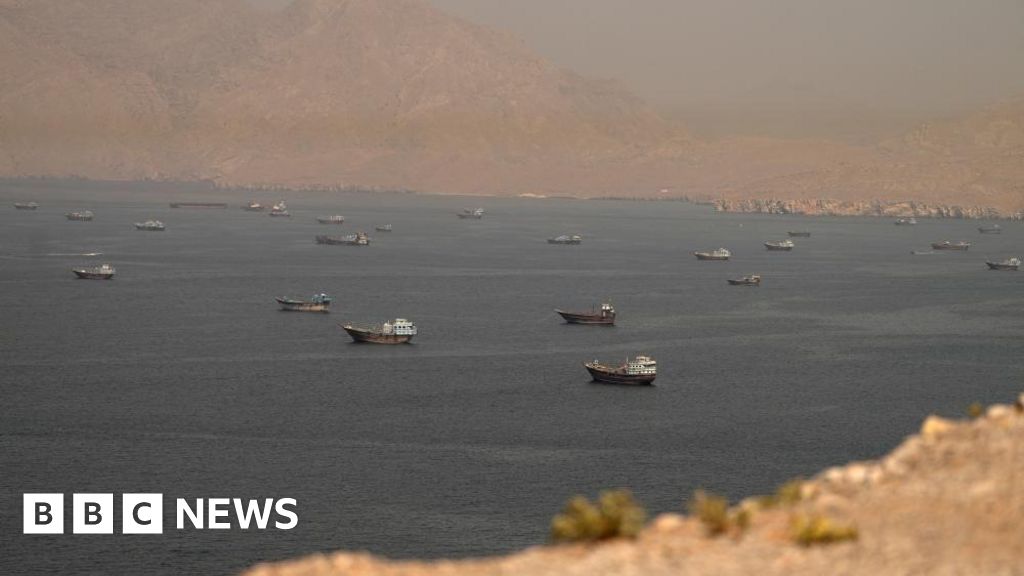
Negotiations in Oman are set to resume, attracting notable attention as key US officials, including Vice-President JD Vance, prepare to participate. This development signals the importance of the discussions taking place and their potential impact on international relations. In this article, we will explore the purpose of these negotiations, the key players involved, and the anticipated outcomes.
Status of the Negotiations
The ongoing negotiations represent a critical phase in diplomatic efforts aimed at addressing various geopolitical issues. The setting in Oman is strategic, given its neutral stance and position as a facilitator for dialogue between conflicting parties. This round of talks is particularly significant due to escalating tensions in the region, making it imperative for all involved to reach a consensus that promotes stability and peace.
The return to the negotiating table indicates a renewed commitment to dialogue, emphasizing the importance of diplomatic solutions over military action. As the world watches, the stakes are high, and the outcomes of these discussions may have lasting implications for both regional security and global politics.
Vice-President JD Vance’s presence at the negotiations highlights the level of seriousness with which the United States is approaching these discussions. He is joined by a diverse group of international representatives, each bringing unique perspectives and interests to the table. The inclusion of multiple stakeholders signals an inclusive approach aimed at fostering collaboration rather than division.
Other crucial players likely include representatives from both ally and rival nations, potentially creating a platform for open dialogue and the forging of new partnerships. The varied backgrounds of the participants can lead to innovative solutions, but it also poses challenges, as differing priorities may clash during deliberations.
As the negotiations unfold, several outcomes could emerge. A successful agreement may lead to reduced tensions, paving the way for future collaborations on pressing issues such as trade, security, and environmental challenges. Conversely, a lack of consensus might heighten conflicts, making it even more difficult to navigate the complex geopolitical landscape.
The implications of these talks extend beyond immediate regional concerns. A failure to reach an agreement could have ripple effects worldwide, influencing markets, security alliances, and public sentiment. Therefore, stakeholders are invested in the negotiation results, knowing that the discussions are not just about the countries involved but also about setting a precedent for handling international disputes in the future.
In conclusion, the resumption of negotiations in Oman, with Vice-President JD Vance and other key officials in attendance, is a significant moment in global diplomacy. With high stakes for all parties involved, the focus will be on crafting solutions that ensure peace and collaboration moving forward. As the discussions commence, the eyes of the world will be on Oman, hopeful for a positive outcome that can reshape the future of international relations.