
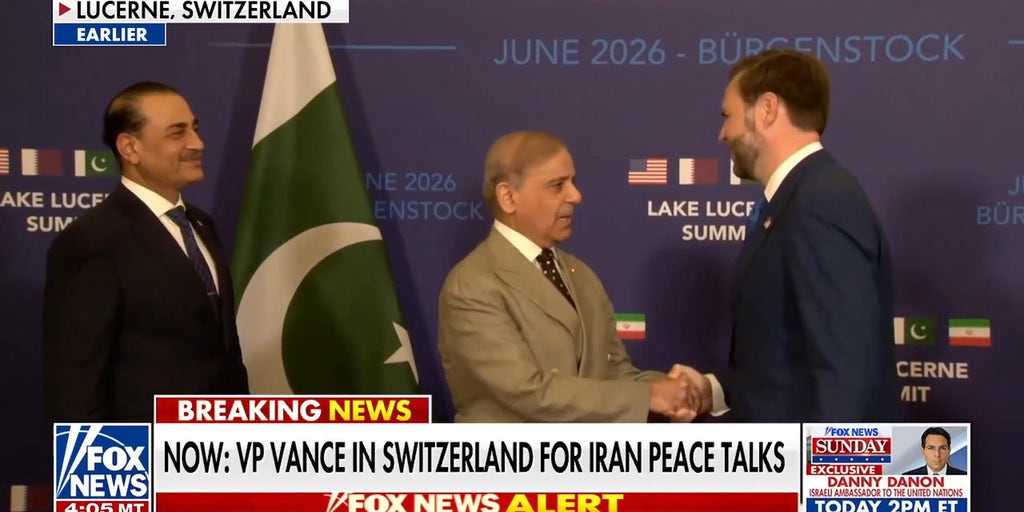
In a critical development on the global stage, Vice President JD Vance is at the forefront of high-stakes diplomatic negotiations in Switzerland. This endeavor involves key figures from the White House, such as Steve Witkoff and Jared Kushner, as they attempt to address the escalating tensions between the United States and Iran. The focus is on achieving a memorandum of understanding that not only addresses nuclear issues but also seeks to establish a ceasefire in Lebanon.
The Significance of the Iran Peace Talks
The discussions in Switzerland hold immense significance, particularly given Iran’s recent threats to close the Strait of Hormuz. This strategic waterway is crucial for global oil transportation, making any instability in the region a matter of international concern. The ongoing negotiations aim to not only restrain Iran’s nuclear ambitions but also create a broader framework for regional stability.
Vice President Vance’s leadership in these talks underscores the Biden administration’s commitment to diplomatic solutions over military action. The stakes are high, as failing to reach an agreement could exacerbate tensions further and lead to unpredictable consequences. With military resources stretched and the potential for conflict looming, the U.S. is prioritizing dialogue as a means to diffuse the situation.
Key Objectives of the Memorandum of Understanding
The memorandum of understanding being pursued in Switzerland seeks to establish clear guidelines on various contentious issues. Primarily, it aims to address Iran’s nuclear program, which has raised alarms within the international community. Ensuring that Tehran does not progress toward developing nuclear weapons is a top priority for U.S. officials involved in the talks.
Additionally, the ceasefire in Lebanon is another pressing topic under discussion. The Lebanese stability has been compromised by Iranian influence and regional proxy conflicts. By establishing a ceasefire, the hope is to create a more peaceful environment that can foster reconstruction efforts in Lebanon and curtail further Iranian meddling. These objectives are not merely regional but have far-reaching implications for global security.
Challenges Ahead for Diplomacy
Despite the hopeful atmosphere surrounding the negotiations, several challenges persist. Iran’s historical reluctance to adhere to international agreements raises questions about the durability of any potential deal. Trust issues between the U.S. and Iran are deeply rooted, stemming from decades of hostility and conflicting interests.
Moreover, there are domestic pressures within the U.S. that could complicate the process. Political divisions may hinder Vance and his team’s ability to secure a favorable outcome. It is crucial for the administration to present a united front, not only to achieve diplomatic success but also to maintain credibility on the global stage.
In summary, as Vice President JD Vance engages in these critical peace talks in Switzerland, the eyes of the world are watching closely. The potential outcomes of these discussions could have lasting impacts on U.S.-Iran relations and the broader geopolitical landscape. While the challenges are significant, the pursuit of diplomacy remains the best path forward in addressing the complex issues at hand.