
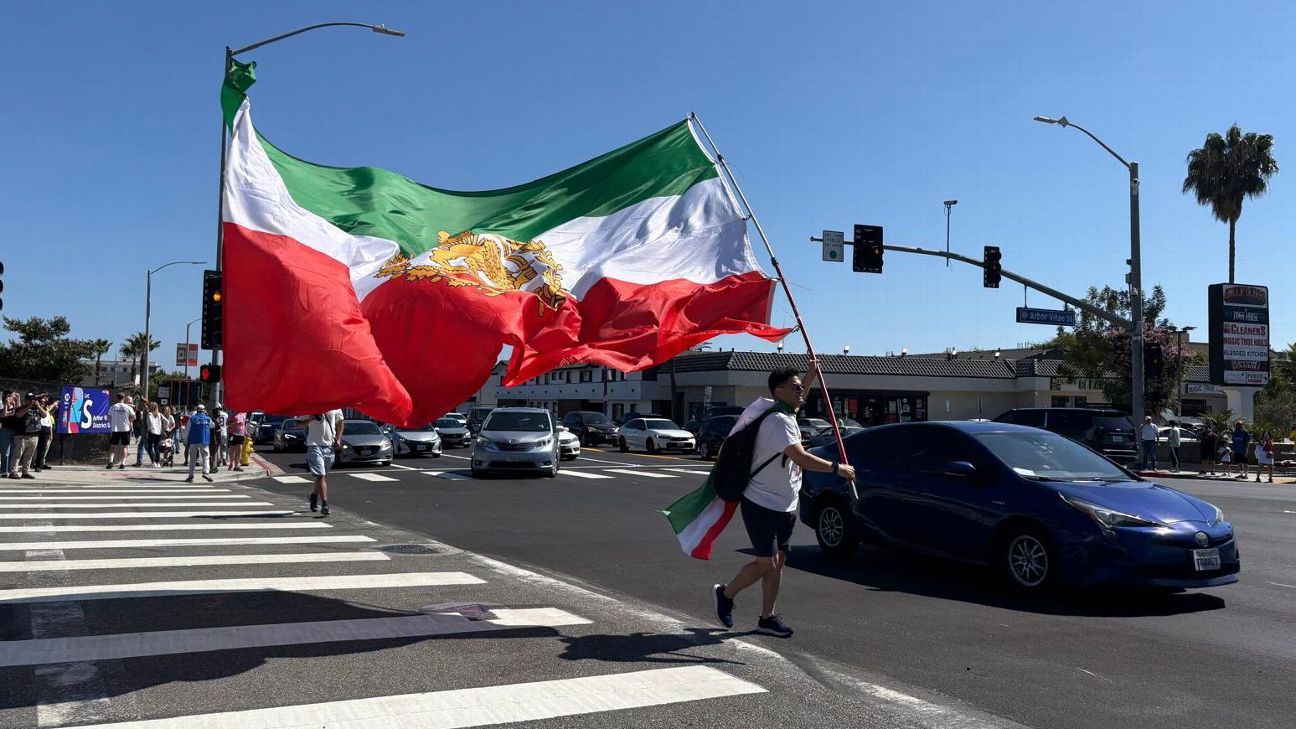
In Los Angeles, an atmosphere of excitement and pride enveloped the Iranian community during Iran’s opening match in the 2026 World Cup. As the game unfolded, fans rallied support for their team, showcasing their cultural connections and resilience amidst ongoing strife.
Iran’s Historical Presence in the World Cup
Iran’s participation in this World Cup is notable, particularly as it marks the first time the team plays in a country where it has been in conflict. The dynamics surrounding this unique situation add layers of complexity and emotion for Iranian Americans, especially considering the recent escalation of tensions between the U.S. and Iran. The men’s team, known as Team Melli, entered this tournament with historical weight as fans expressed both pride and concern for their homeland from afar.
During the match against New Zealand, Iranian midfielder Mohammad Mohebbi scored a pivotal header, leading to a thrilling 2-2 draw. The goal ignited jubilation among the 70,108 fans at SoFi Stadium and mirrored the celebration happening just nine miles away at a watch party in Westwood. Fans residing in Los Angeles, home to the largest Iranian diaspora outside of Iran, gathered at Meymuni Cafe, eagerly cheering for their team.
Community Solidarity and Cultural Pride
Los Angeles, often referred to as “Tehrangeles,” boasts a rich Iranian culture that resonates through its cafés and community events. Shaheen Ferdowsi, owner of Meymuni Cafe, emphasized the significance of the Persian community in the cultural fabric of the city. He expressed pride in hosting space for these gatherings, which not only serve to celebrate sports but also bring people together in a shared sense of identity. “It’s amazing to see Iranians from all parts of the U.S. resonate with this pride,” he stated.
While Iranian fans celebrated in good spirits, the match backdrop was complicated by protests against the Iranian government, creating a unique tension in the stadium. Cheers and boos erupted during the national anthem, reflecting the divided sentiments within the crowd. Nevertheless, as the match progressed, the predominant vibe shifted to one of support for the team, a testament to the players’ ability to unite a diverse group of fans through their sportsmanship.
A Space for Reflection and Connection
Meymuni Cafe serves not just as a venue for watching football but as a hub of community strength. Ferdowsi articulated how the café aims to unify Iranian supporters amidst their unique challenges. The emotional investment runs deep as fans like Benyamin Dabiri shared concerns about the players’ psychological state given the atypical conditions surrounding the tournament, including the team’s travel logistics that forced immediate departures post-match.
Iran’s experience in the World Cup extends beyond the game itself; it encapsulates the struggle of Iranians facing turmoil at home while desiring connection and pride abroad. Reflecting on his connection to the players, Dabiri called them “our cousins, our brothers,” voicing a sentiment shared by many fans who see the team as a representation of their hopes and dreams.
While the game served as a focal point, it also represented a larger societal need for unity and belonging among Iranian Americans. As Team Melli prepares for additional matches against Belgium and Egypt, events at Meyeruni Cafe and similar venues across Tehrangeles will continue to provide a space for communal support and emotional expression.
In this blend of celebration and empathy, the Iranian community in Los Angeles showcases its ability to rally behind shared identities and experiences, fostering connections through the universal language of football. Fans remain hopeful for their team’s success, eager to celebrate both their cultural heritage and the spirit of unity that extends beyond borders.