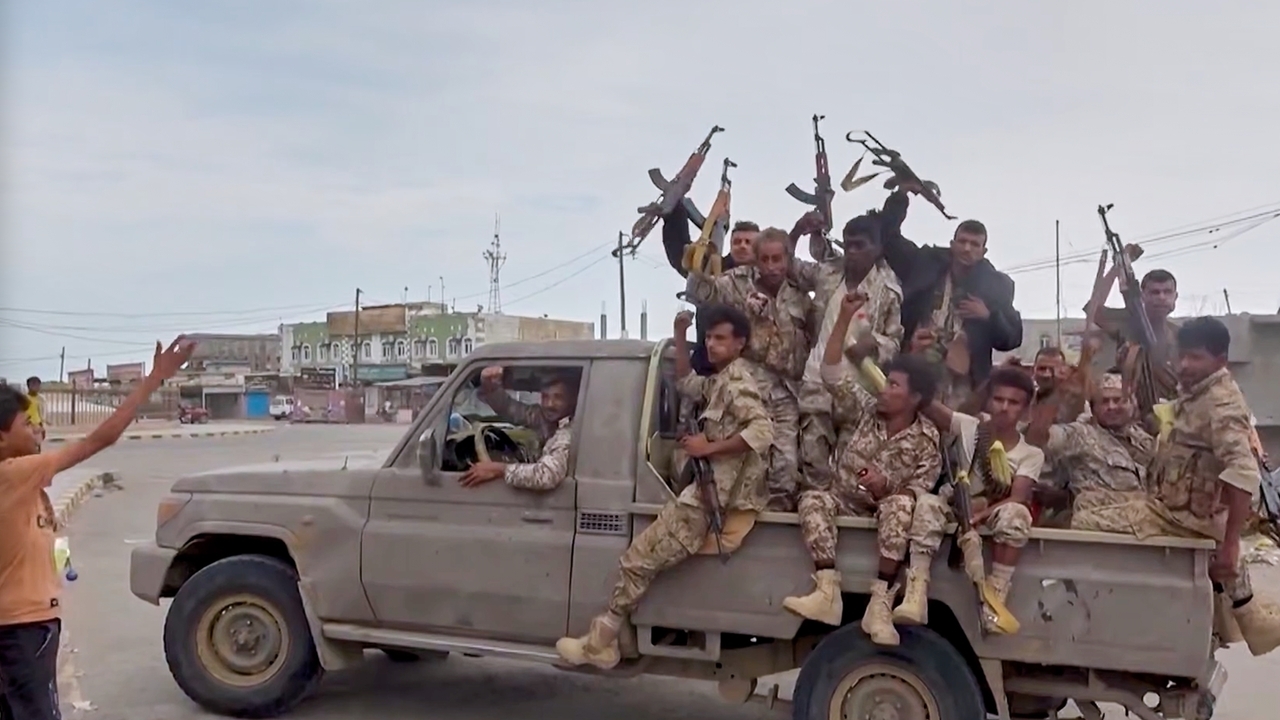
The recent surge in Houthi rebel activity on Yemen’s Red Sea coast represents a significant shift in the ongoing conflict, demonstrating both their capabilities and the influence of Iran in the region. The rapid fall of strategic areas to the Houthis within just 48 hours poses serious concerns for U.S. interests and its allies in the region, particularly Saudi Arabia.
The Role of Iranian Support
According to multiple sources, Iranian Revolutionary Guard officers actively guided the Houthis during this offensive, marking Tehran’s most substantial involvement since Yemen’s civil war began in 2014. This intervention exemplifies how Iran has developed the Houthis into a vital regional ally, capable of diversifying the conflict front against U.S. allies. The recent territorial gains by the Houthis not only presented them with key locations but also allowed them to threaten Saudi oil supplies, contributing to rising global fuel prices. As the Houthis gain momentum, the U.S. has appeared hesitant to provide the necessary support to Saudi Arabia, suggesting a cautious approach to an increasingly complex situation.
Interviews with ten officials, including senior Houthi members and military leaders from Yemen’s internationally recognized government, reveal that the Houthis’ assault capitalized on underlying divisions within pro-government forces. They demonstrated an impressive strategic advantage by intercepting and analyzing communications from the National Resistance—one of the strongest pro-government factions—resulting in confusion and disarray among the opposing troops.
A Historic Advance and Its Implications
The Houthi assault marked the first major military campaign along Yemen’s coast since 2017, when government forces previously expelled them. Having focused their efforts on the oil-rich Marib province in central Yemen for several years, the rebels’ recent shift signifies a renewed strategy with far-reaching implications. The capture of critical areas, including the port city of Mokha, essentially allowed the Houthis to conduct operations within striking distance of Saudi oil shipments in the Red Sea.
The presence of Iranian advisers on the ground facilitated this rapid advancement, refining tactics and enhancing communication strategies. Information from security analysts indicates that Iran provided not only training but also logistical support and advanced weaponry, reinforcing the Houthis’ capabilities significantly. After a period of relative calm following the 2022 truce, tensions flared again, demonstrating the ongoing volatility of the conflict.
Divisions Within Pro-Government Forces
Pro-government forces, namely the National Resistance, faced difficulties due to internal divisions. Miscommunication and a lack of coordination with other military factions, like the Giants Brigade, hindered their ability to mount an effective defense. Rooted in longstanding rivalries, these factions struggled to unite against the common threat posed by the Houthis. Without a unified command during the Houthi offensive, opportunities emerged for the rebels to exploit weaknesses in government positions fully.
On the evening of Sept. 9, the Houthis made significant strides toward Mokha, successfully severing critical supply lines and compelling many pro-government fighters to retreat in panic. Eyewitness accounts describe a chaotic exodus as thousands of residents fled the city, leaving it largely unguarded for the advancing rebels.
Regrouping and Future Implications
Following this dramatic shift, Yemeni government forces find themselves reassessing their strategies and regrouping after suffering considerable losses. Critics within the ranks have begun assigning blame and accusing each other of treachery, further complicating internal cohesion. As the Houthis establish defenses in the newly acquired territories, the stage is set for an even fiercer conflict ahead. The loss of control over the Red Sea coast signals not the end of the battle but a new chapter in Yemen’s ongoing turmoil, raising stakes for U.S. interests in the region.
As both sides brace for the next wave of confrontations, the dynamics of this conflict will likely continue to evolve, shaped by foreign interests, regional alliances, and the relentless drive of local factions.