
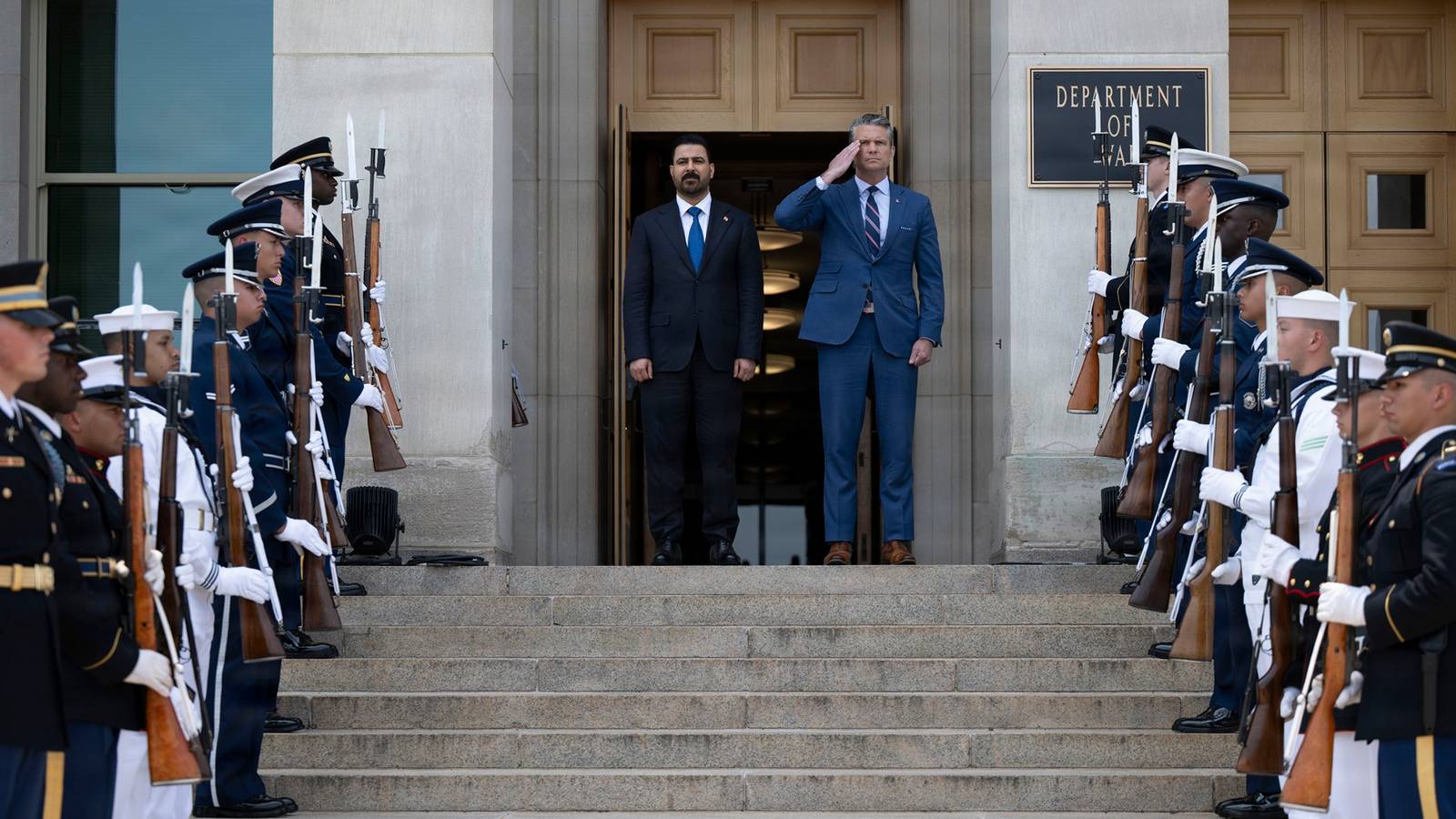
Iraqi Prime Minister Ali al-Zaidi recently made headlines during his visit to Washington, where he oversaw the signing of 48 diverse agreements alongside U.S. companies. These arrangements, which include memorandums of understanding, cooperation pacts, and partnership declarations, hold a total estimated value exceeding $60 billion. The announcement from the Iraqi Prime Minister’s media office underscores a significant shift in U.S.-Iraqi relations, transitioning from military engagement to economic collaboration.
Significant Energy Agreements and Infrastructure Initiatives
The agreements prominently feature initiatives in the energy sector. Notable partnerships involve major oil and energy firms like ExxonMobil, Chevron, and Halliburton. One key focus is the long-awaited rehabilitation of the Iraq-Syria crude oil pipeline, extending from Kirkuk to the Mediterranean port of Baniyas, which has been inactive for years. According to Iraq’s state news agency, Chevron is set to lead this pipeline project. The U.S. State Department acknowledged the strategic importance of this pipeline, describing it as an essential energy corridor linking Iraqi oil to broader export markets. Once completed, the pipeline will have a transport capacity of two million barrels per day, significantly enhancing Iraq’s energy export capabilities.
Furthermore, Al-Zaidi’s government has also signed agreements for satellite internet services with Starlink, aiming to improve national communication infrastructure. During the business summit, the Prime Minister emphasized Iraq’s commitment to fostering a welcoming environment for international investments, stating that dialogue is encouraged for anyone with a prospective project.
Details of the $60 Billion Agreements
These preliminary agreements cover a wide spectrum, including healthcare and technology, alongside the energy deals. Among the most notable is Chevron’s commitment to boosting oil production through three distinct agreements. This follows Al-Zaidi’s recent meeting with President Trump, where they discussed strategies for further enhancing business relations between the two nations, with an emphasis on generating jobs and increasing oil output.
Both leaders reiterated the firm timeline for the complete withdrawal of American forces from Iraq by September 30. This withdrawal signifies a new chapter in U.S.-Iraqi relations, where American companies will maintain an influential presence within Iraq, even as military operations conclude.
A Transition After Years of Military Presence
The transition toward commercial cooperation comes in the wake of over two decades of U.S. military involvement in Iraq, which began with the 2003 invasion. The military’s role has evolved in recent years, focusing on training Iraqi forces and facilitating a gradual drawdown. For many veterans, these agreements signify a bittersweet victory, illustrating that their sacrifices have paved the way for a more stable and economically viable Iraq.
Statements from both Al-Zaidi and President Trump have concentrated on the practical pivot away from military objectives, with an emphasis on mutually beneficial economic ties. Al-Zaidi portrayed his Washington visit as a launching point for this new era of partnership.
Future Outlook for U.S.-Iraq Relations
While many of the 48 signed agreements are currently non-binding and represent declarations of intent, their success will heavily depend on several factors. These include security conditions, financing mechanisms, and ongoing efforts by Iraq to manage its weapons and enhance transparency. Furthermore, Al-Zaidi’s government is prioritizing collaboration with reputable U.S. firms in key sectors like energy and technology.
As Iraq works to recover oil revenues impacted by regional unrest, the focus has shifted from military installations to economic initiatives, contracts, and the establishment of essential infrastructure. The ultimate goal is to position Iraq as a stable, influential player in the regional energy market, facilitating sustained growth and development in the years to come.