
Iraq’s political landscape continues to evolve, especially concerning its leadership roles within the government. Recent developments have sparked discussions around the potential nomination of specific figures for key positions, particularly in the context of the vice presidency.
Denial of Vice Presidential Nomination
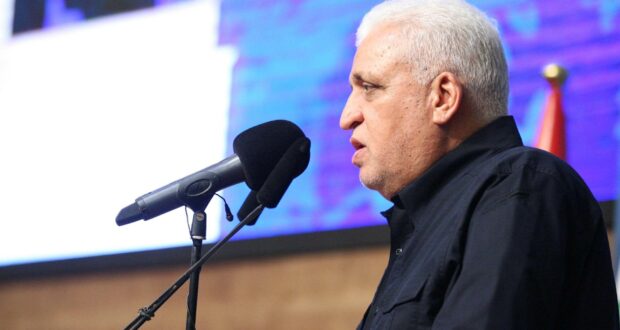
The Popular Mobilization Forces (PMF) of Iraq addressed circulating rumors about its chairman, Falih Al-Fayyadh, allegedly being nominated for the vice presidency. In an official statement, the PMF clarified that Al-Fayyadh remains firmly in his current position, dismissing the reports as unsubstantiated. They highlighted that such claims, primarily spread via “suspicious” social media channels, are entirely false. The organization has announced their intent to pursue legal action against those who propagate misleading information.
Earlier reports indicated that political factions within the State Administration Coalition were nearing an agreement to reinstate two vacant vice presidency roles. It’s noteworthy that individuals like Al-Fayyadh, along with Mohammed Al-Halbousi, the leader of the Taqaddum (Progress) Party, were suggested for these roles. The vice presidential positions have remained unoccupied for several years, a situation that traces back to former Prime Minister Haider Al-Abadi’s 2015 decision to eliminate them as part of a broader reform initiative. However, Iraq’s Federal Supreme Court later overturned this decision in 2016, reinforcing the constitutional requirement for at least one vice president.
Recent Government Developments
On October 15, the Iraqi parliament officially approved a batch of new government officials, including three deputy prime ministers and 11 cabinet nominees. This was a significant move under Prime Minister Ali Al-Zaidi’s administration, although the position of the Minister of Migration and Displacement remains unfilled. This recent governmental reshuffle highlights the ongoing efforts to stabilize and strengthen Iraq’s political framework after years of vacillation and uncertainty.
Political analysts view these appointments and the discussions surrounding the vice presidency as crucial for Iraq’s governance. The potential establishment of a functional vice presidential framework could enhance political representation and foster a more balanced governmental structure. While the PMF’s denial of Al-Fayyadh’s nomination aims to quell rumors, it also raises questions about the party’s role and influence in future governmental arrangements.
The developments in Iraq signify more than just political maneuvering; they reflect a broader context of societal expectations and the quest for stability in governance. Stakeholders within and outside Iraq are closely monitoring these changes, as they could significantly affect the country’s administrative efficiency and political climate.
In conclusion, the PMF’s unequivocal rejection of the vice presidential nomination for Al-Fayyadh, combined with the government’s recent approvals, showcases a dynamic interplay of power and authority in Iraq. As these events unfold, the implications for both immediate governance and long-term political stability will be of vital interest to observers and citizens alike. The country’s ability to appoint and fill leadership positions effectively will be crucial for advancing democratic principles and ensuring responsive governance in the region.