
On October 17, an explosion at an ammunition depot linked to the Popular Mobilization Forces (PMF) rocked eastern Baghdad. Initial reports indicated five minor injuries; however, subsequent accounts cited by Reuters confirmed one fatality and four additional injuries. On October 18, the PMF suggested that early forensic analysis pointed to an internal malfunction rather than an external attack, although the investigation remains active. Six days later, the Saudi newspaper Asharq Al-Awsat reported that Baghdad was investigating possible airstrikes targeting militia sites believed to house Chinese-manufactured portable air-defense systems reportedly transferred from Iran. While Iraqi officials admitted the absence of solid evidence linking these strikes, they acknowledged that the alleged arms transfers could not be independently verified. The circumstances surrounding the October 17 explosion and its potential connection to these events remain ambiguous.
Understanding the Regional Context
The intricacies of this situation illustrate the ongoing shadow war in the region, characterized by depot mishaps, intelligence leaks, and conflicting political stories. The situation gained attention partly because it followed a Reuters report indicating Iran had reportedly signed a deal to acquire between 300 and 400 Chinese-made air-defense systems. While Beijing denied any such transaction, the narrative raises critical operational implications for Israel. The discussion is not merely whether this explosion resulted from an attack or accidental circumstances. Instead, it poses the essential question of how the potential entry of advanced shoulder-fired missiles into Iraq would influence Israel’s aerial operations, especially concerning future missions targeting Iran.
Assessing the Military Implications
Considering the operational landscape necessitates distinguishing between alarmist rhetoric and practical realities. While portable air-defense systems in militia hands might pose a challenge, they do not eliminate Israeli aerial superiority or obstruct long-range strike missions. Israeli strike fighters can operate at altitudes above 30,000 feet, well beyond the effective range of systems like the QW-12, which reportedly has a ceiling of around 4,000 meters. Though unconfirmed details about the specific models transferred to Iraq exist, these systems generally are designed to engage lower-flying aircraft, leaving Israeli high-altitude missions relatively unscathed.
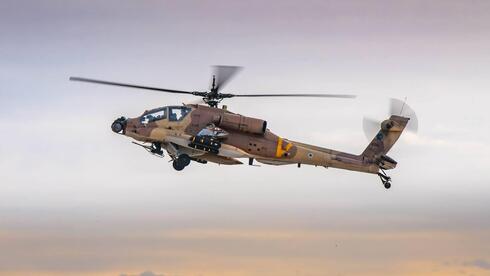
However, the real complications emerge from the risks posed by these portable missiles during combat search and rescue scenarios. If an Israeli aircraft were to encounter issues necessitating an emergency ejection, the ensuing recovery efforts would require helicopters to navigate low-altitude environments where they may be vulnerable to ground-based air defenses. The profile of this operation would vary, but any prolonged exposure near the extraction site might increase risks associated with ambushes by concealed militia forces.
Complexities of Unmanned Aerial Operations
The emergence of these threats also complicates the use of unmanned aerial reconnaissance. Israeli drones, like the Heron TP Eitan, are capable of operating at altitudes reaching 45,000 feet, comfortably above the QW-12’s effective engagement altitude. However, operational requirements may necessitate flights at lower altitudes, thus increasing the risk of interception by these portable systems. The dynamics of drone operations reveal that the balance of sensor capability against vulnerability becomes crucial for mission planners, especially when flying in potentially hostile territories.
Iraq’s fragmented security governance further complicates the situation. Although the PMF is officially part of the Iraqi state, key factions maintain close ties with Iran and operate with a degree of autonomy from Baghdad. Consequently, any sophisticated weaponry transferred to militia networks raises concerns about the Iraqi government’s ability to manage, monitor, and control these arsenals effectively. This lack of oversight may lead to potential risks for Israel, necessitating a thorough understanding of not just the physical presence of these weapons but their chain of command as well.
In light of the changing international military landscape and recent U.S. troop withdrawals from Iraq, there remains uncertainty about how these transitions may impact intelligence-sharing operations and regional security dynamics. While the U.S. and its allies continue to operate in adjacent areas, Iran might seek to exploit any gaps in intelligence coverage.
In conclusion, the evolving threat posed by potential Chinese-made portable missiles in Iraq requires Israel to adopt a measured approach. A thorough intelligence assessment is essential to confirm the presence and control of such systems before drawing any conclusions or making operational decisions. The risks of miscalculation are significant, and a nuanced understanding of the regional landscape is necessary for effective defense strategy formulation.