
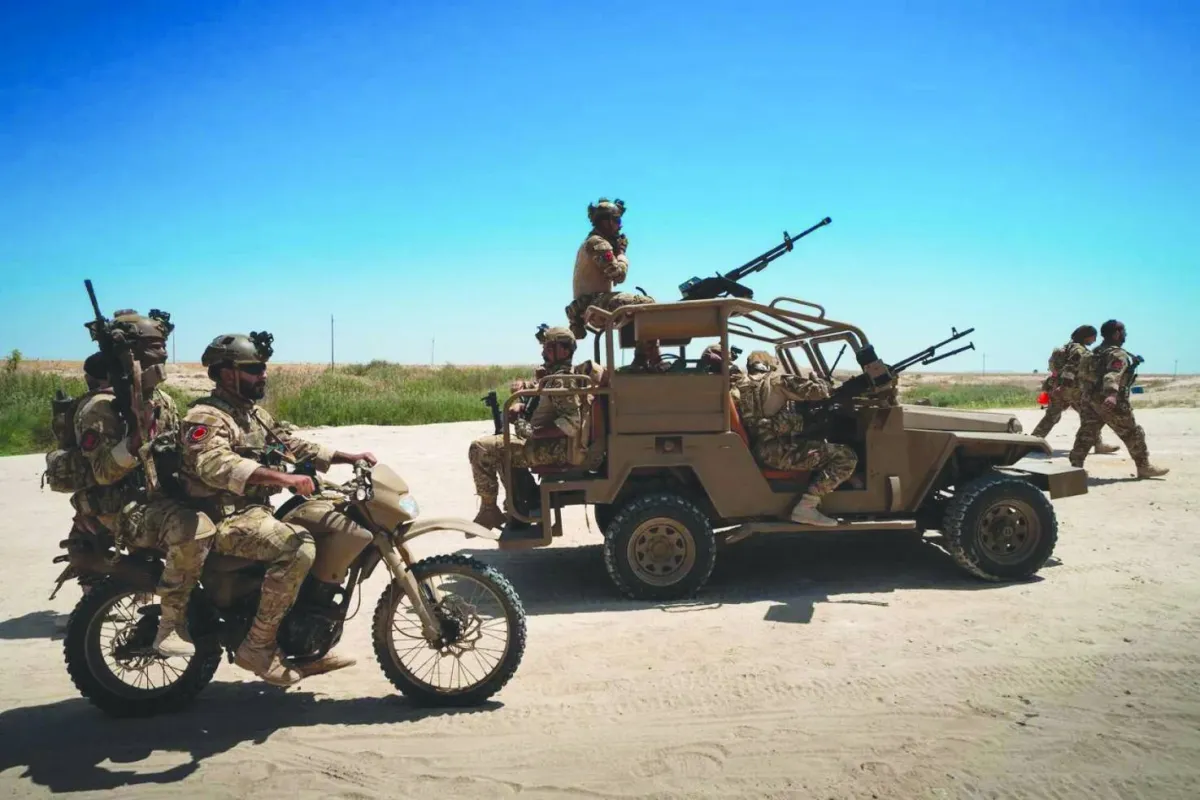
Recent reports from Iraq indicate that armed factions are facing significant financial difficulties, primarily attributed to US sanctions targeting their leaders. This development raises concerns about the sustainability of these groups amid tightening financial pressures. However, sources suggest that the salaries for the members of the Popular Mobilization Forces (PMF) are not at immediate risk, as they continue to receive funding from the national budget.
Financial Challenges for Armed Factions
The armed factions in Iraq are grappling with a crisis due to the impact of US sanctions that have severely limited their financial resources. Leaders of these groups are reportedly struggling to maintain operational capabilities as their income streams have been drastically impacted. This financial strain is compounded by various geopolitical factors, including a naval blockade imposed by the United States that has significantly hindered Iran’s oil revenues.
Impact of US Sanctions on Iran
US Central Command Commander Brad Cooper recently highlighted that the naval blockade has led to an estimated loss of $25 billion in oil revenues for Iran. This staggering figure underscores the extent of economic isolation the country is experiencing, which has a domino effect on affiliated factions in Iraq. In addition to these losses, the US Treasury Department has taken steps to freeze approximately $350 million worth of cryptocurrency that was in Iran’s possession. Such measures aim to restrict the financial avenues these armed groups may have relied upon for their operations.
Stability of PMF Salaries
Despite the financial turmoil affecting these armed factions, the salaries of PMF fighters appear to be secure for the time being. The funds for these salaries are drawn from the Iraqi state budget, which mitigates the impact of the financial crisis on their earnings. This continuity in payment may provide a level of stability for the PMF amid broader economic challenges, but it also raises questions about the long-term sustainability of funding for various armed groups in the region.
Long-term Implications
The financial hardships faced by armed factions could have significant long-term implications for security dynamics in Iraq and surrounding areas. If sanctions persist and financial resources remain constrained, these groups may be forced to adapt their strategies. Potential outcomes could include increased reliance on local criminal enterprises, or even a shift towards seeking alternative funding sources, which could further destabilize the region. Moreover, reduced operational capacity might lead some factions to reconsider their alliances and operational goals.
In conclusion, while the armed factions in Iraq are currently dealing with a financial crisis due to US sanctions, the PMF finds some reassurance in their salary continuity from the state budget. However, this situation invites scrutiny over how enduring these funding structures will be, particularly in an evolving geopolitical landscape. The coming months will be pivotal in shaping the future stability of these factions and the security environment in Iraq.