
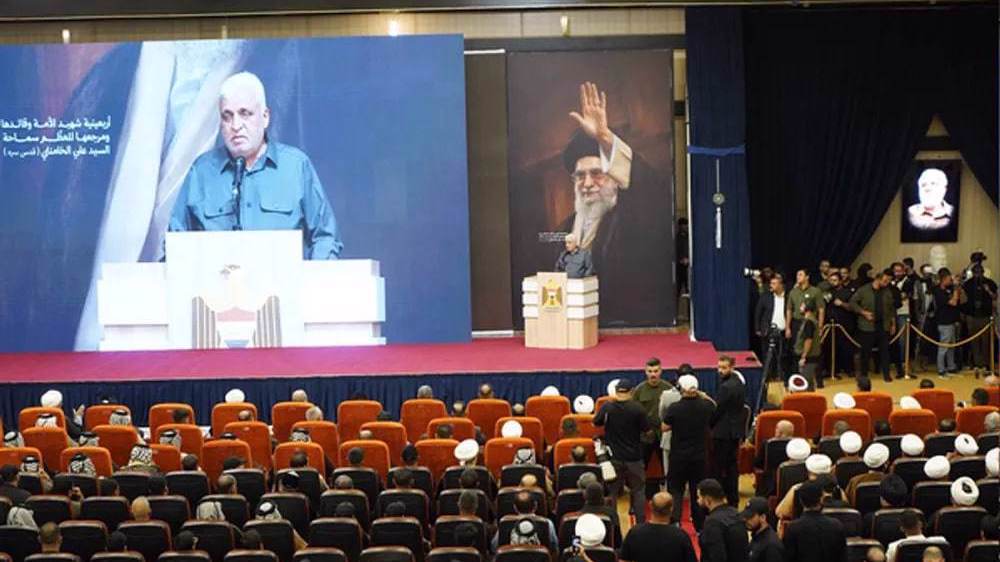
The head of Iraq’s Popular Mobilization Units (PMU) recently expressed deep admiration for the late Ayatollah Seyyed Ali Khamenei, noting his significant impact on the Iranian and Iraqi peoples’ consciousness. Faleh al-Fayyadh remarked that Khamenei’s legacy has ignited a commitment to upholding dignity and sacred values among his followers. This acknowledgment comes during a commemoration marking the 40th day since Khamenei’s passing, highlighting the enduring connection between the community and their fundamental beliefs.
The Legacy of Ayatollah Khamenei
In a ceremony that drew substantial attendance, al-Fayyadh emphasized how the martyred Leader helped cultivate a strong sense of identity and purpose within the Ummah, or Islamic community. He conveyed pride in participating in a tribute to Khamenei, pointing to the immense support he garnered throughout his life as a testament to his remarkable leadership. This sentiment resonated not only within Iraq but also across borders, demonstrating Khamenei’s far-reaching influence.
The PMU chief underscored the enormous turnout at the funeral, which he interpreted as a strong affirmation of the Iraqi people’s fidelity to their heritage and spiritual identities. Despite external pressures aimed at reshaping the nation’s character, al-Fayyadh noted that this sense of belonging remains unshaken among the populace. The turnout reflects an unwavering commitment to the principles that Ayatollah Khamenei espoused, which continue to resonate deeply within the community.
A Tribute of Unity and Strength
Al-Fayyadh also took the opportunity to commend Grand Ayatollah Ali al-Sistani and tribal leaders for their instrumental roles in organizing the ceremony. He praised the swift action taken by tribal figures, emphasizing their crucial influence in creating a collective atmosphere of reverence for Khamenei. Such community involvement illustrates the solidarity shared among Iraqis, showcasing a joint commitment to maintaining their collective values.
On February 28, Ayatollah Khamenei was assassinated alongside family members, marking a tragic chapter that coincided with the onset of aggression from the United States and Israel against Iran. His death ignited a wave of mourning that echoed beyond Iran’s borders, uniting people in a common cause to remember his contributions and ideals.
The Massive Turnout and Its Significance
The multi-day funeral, which commenced on July 3, saw Khamenei’s body displayed in several cities, including Tehran, Qom, and Mashhad, ultimately leading to large gatherings in Iraq’s revered cities of Najaf and Karbala. Particularly notable was the procession on July 8, where millions congregated to honor the late leader. The journey began at Imam Ali’s shrine in Najaf, with participants traversing significant landmarks, culminating in a powerful demonstration of collective mourning and respect.
The PMU reported that over 2.3 million individuals were involved in the funeral activities in Najaf alone, an astounding figure underscoring the profound respect Khamenei commanded. Iranian Parliament Speaker Mohammad Baqer Qalibaf characterized this immense gathering not merely as an expression of sorrow but also as a call to preserve Khamenei’s legacy. The turnout conveyed a powerful message of resilience and resolve from the Iraqi people, reaffirming their commitment to the ideals championed by the late leader.
In essence, the collective mourning surrounding Ayatollah Khamenei’s passing not only highlights the deep connection Iraqi people feel towards their religious and national identity, but also underscores the enduring influence of his leadership through times of hardship and division.