
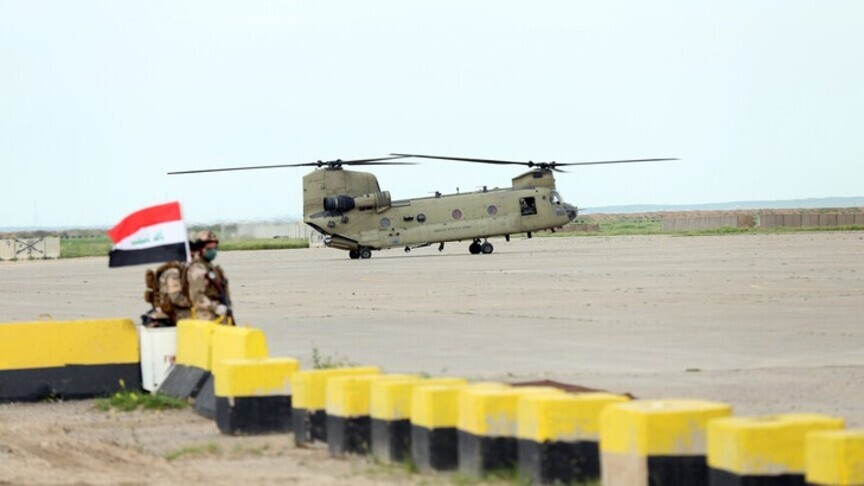
In recent updates regarding Iraq’s military operations, it has been confirmed that international coalition forces have not conducted any missions within Iraqi territory since the start of 2026. Iraqi Air Force Commander Khalid al-Tamimi articulated this development, emphasizing the autonomy of the Iraqi Air Force in handling its military operations.
Independence of Iraqi Air Force Operations
In a statement made to the Iraqi News Agency, Commander Tamimi underlined that no coalition forces have participated in any activities on Iraqi soil from January 1, 2026, to the present day. This announcement coincides with the impending end of the coalition’s mission in Iraq, scheduled for September 30, 2026. The commander firmly stated, “All missions currently carried out by the Air Force are independent of coalition forces, and there is no direct support from them.” This shift marks a pivotal moment in Iraq’s defense strategy as the country emphasizes self-reliance in its military capabilities.
Development and Maintenance of Iraqi Military Assets
The Iraqi Air Force is in the process of establishing a comprehensive network of workshops, facilities, and warehouses aimed at maintaining its fleet, particularly its F-16 fighter jets. According to Commander Tamimi, the maintenance of these aircraft is executed “100% by Iraqi personnel.” While some components, particularly associated with engine repairs, still necessitate assistance from Pratt & Whitney, a prominent U.S.-based aerospace manufacturer, Tamimi confirmed that local crews are managing several repair tasks independently.
The Iraqi Air Force is also considering the procurement of advanced Rafale fighter jets. The terms of this potential deal were also discussed, noting that negotiations are underway for an initial batch of 14 aircraft. However, the specific parties involved in these discussions remain undisclosed. Furthermore, there are ongoing joint training exercises with Rafale aircraft stationed in Jordan, although a planned drill in France was postponed due to regional conflicts.
Current Security Landscape and Threat Assessment
While discussing the security situation in Iraq, Commander Tamimi acknowledged the existence of sleeper cells in remote areas. However, he characterized the threat level as “very limited,” attributing this to the vigilance of the public and the capabilities at the disposal of Iraqi forces. The Iraqi Air Force has reportedly conducted an impressive 58,822 missions during the fight against the ISIS/Daesh terrorist group. These missions encompassed various operations, including transport, reconnaissance, and direct support for ground forces.
In addition to addressing past operations, Commander Tamimi disclosed that an Antonov transport aircraft had been taken out of service after sustaining damage from a missile strike at a base in Baghdad. However, details surrounding the circumstance and accountability for the incident were not elaborated upon.
Transition to Bilateral Security Partnerships
The trajectory for Iraq’s military landscape is transforming as the country moves towards increased bilateral security partnerships with the United States. Following an agreement in September 2024, Iraq and Washington decided to conclude the military mission of the U.S.-led international coalition, redirecting focus towards developing enhanced capacities within Iraqi forces. The coalition, initially formed in 2014 to combat ISIS, will now pivot towards supporting Iraqi forces in a sustainable manner while keeping pressure on remaining threats to prevent ISIS’s resurgence.
As these changes unfold, the Iraqi Air Force and its leadership are poised to take on greater responsibilities in safeguarding national security and ensuring stability in the region. The path ahead indicates a dedicated pursuit of military self-sufficiency with an eye towards strategic partnerships that bolster Iraq’s defense capabilities.