
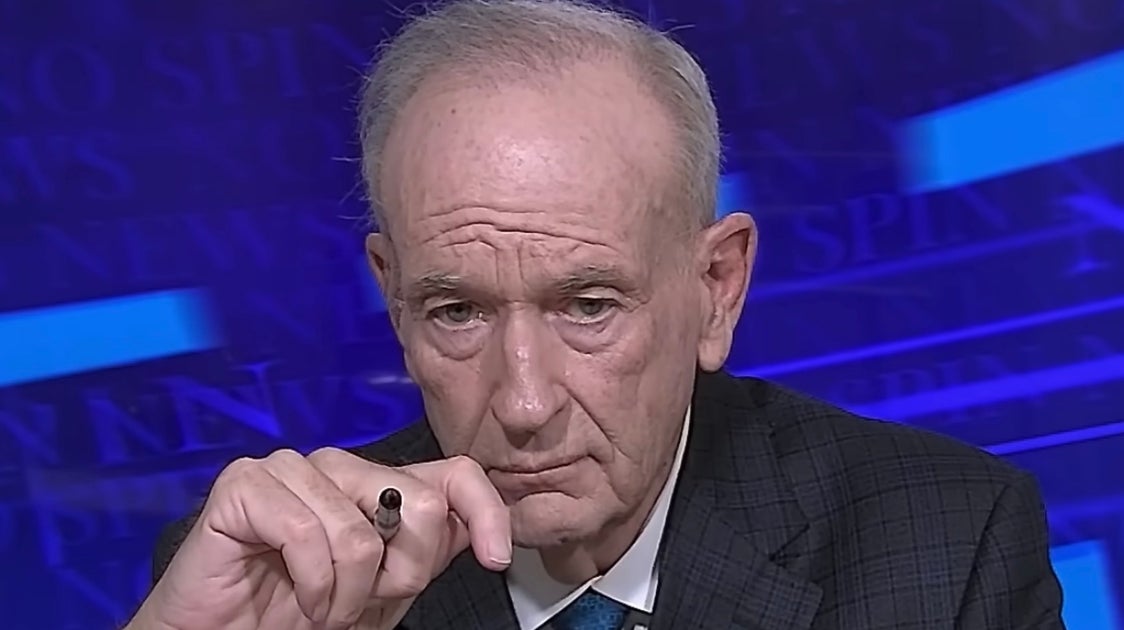
Bill O’Reilly’s Recent Confession on the Iraq War
Former Fox News host Bill O’Reilly recently expressed his support for the ongoing military conflict in Iran. During an episode, he candidly acknowledged his previous errors regarding the Iraq War, wherein he wrongly supported then-President George W. Bush. His reflections on the consequences of the Iraq War serve as a critical reminder of the lasting impact of foreign interventions.
Revisiting Past Mistakes
O’Reilly admitted, “I made a mistake with the Iraq situation, and that haunts me to this day.” This emotional acknowledgment underlines the heavy toll the war has had on countless lives, as more than 4,000 U.S. service members and hundreds of thousands of Iraqis lost their lives. O’Reilly explained that his support was misguided due to an incomplete understanding of the situation, relying heavily on reports that suggested Saddam Hussein was harboring weapons of mass destruction.
Reflecting on this experience, O’Reilly emphasized, “Turned out to be wrong. Saddam didn’t have any weapons of mass destruction, and the chaos that ensued brought a lot of pain on America.” His honesty about past decisions serves to remind the audience of the critical importance of accurate information in shaping public opinion and policy.
Contrasting Views on Current Conflicts
Despite his previous missteps, O’Reilly continues to maintain support for Trump’s military actions in Iran. This attitude starkly contrasts the views of other commentators, such as Tucker Carlson, who has critiqued the administration’s approach to launching the conflict. While Carlson has expressed doubts about the motives behind the war, O’Reilly remains steadfast, declaring that without military action, there are no viable alternatives to address the escalating tensions.
In light of the precarious situation in Iran, O’Reilly stated during a recent broadcast, “The president’s threatening to bomb Iran tonight. Nobody knows what’s going to happen because these threats come and go, but this has got to stop.” His strong belief in military solutions continues to frame his outlook on international relations, despite the higher costs of human life that have already incurred from ongoing conflicts.
The Human Cost of War
Thus far, the current conflict has claimed the lives of at least 13 U.S. service members and resulted in the deaths of over 3,000 Iranians, many of whom are civilians, including innocent children. O’Reilly’s admission of his past mistakes provides a poignant perspective on the complexities and dire consequences involved in military interventions. It’s a harsh reminder of the human costs associated with foreign policy decisions and the importance of critically examining these military actions.
As debates surrounding military intervention continue, O’Reilly’s journey illustrates the necessity of learning from past errors. Acknowledging miscalculations is essential for understanding the broader implications of war and striving for informed decision-making in the future. His candid remarks serve as a critical commentary on how past actions can resonate profoundly in present situations, urging both the public and leaders to tread cautiously in their decisions.
The juxtaposition of O’Reilly’s past reflections and current military support raises essential questions about accountability in politics. As we navigate through a complex international landscape, the insights garnered from historical conflicts will hopefully inform future decisions, ensuring that we prioritize peace over aggression whenever possible.