
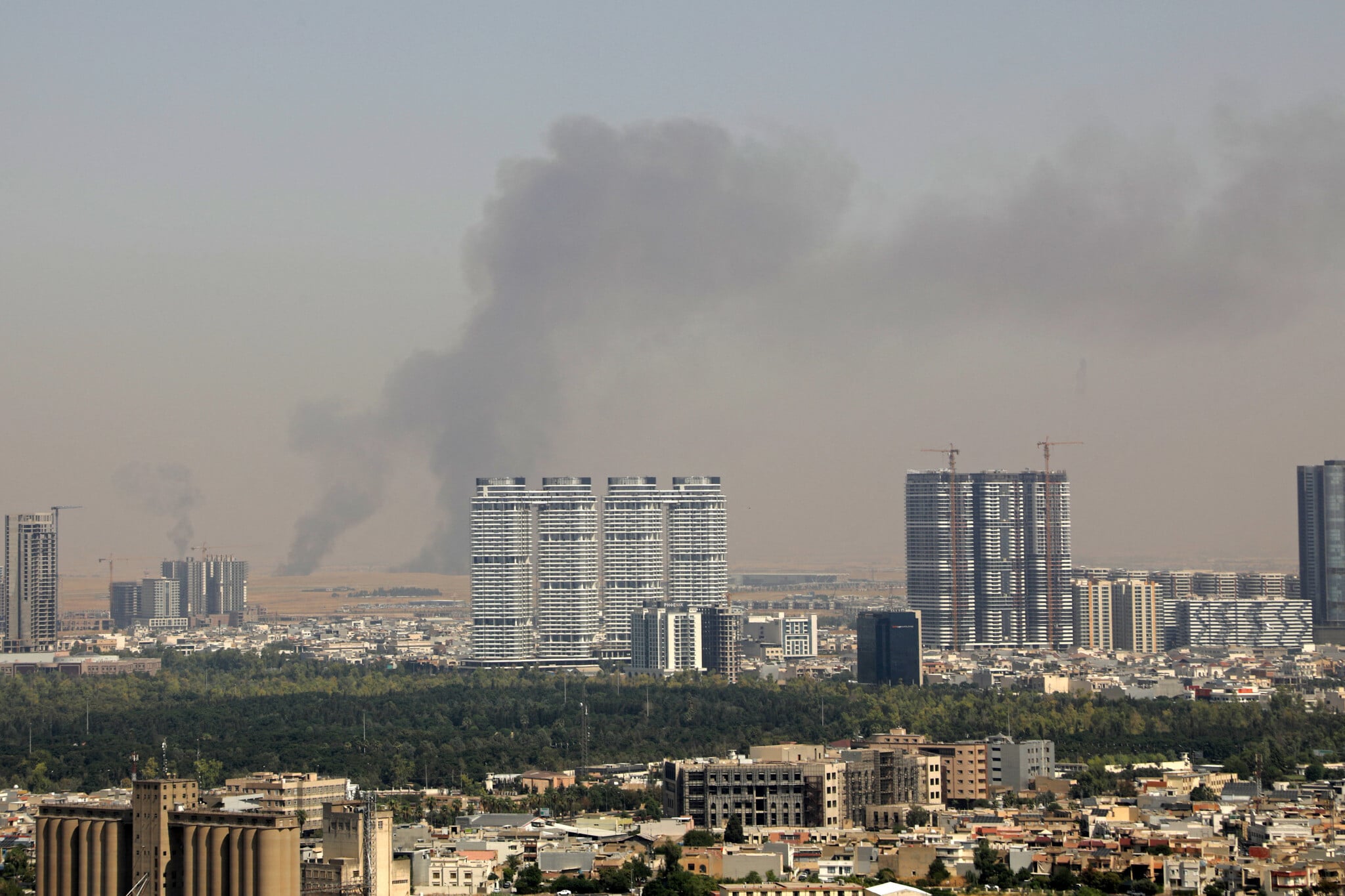
The Geopolitical Dynamics in the Middle East
The Middle East continues to be a focal point of geopolitical tension, particularly with respect to the interactions among Iraq, Iran, the United States, and Israel. Understanding the complex dynamics at play is essential for anyone looking to grasp the current state of affairs in this strategically vital region.
Current Tensions in Iraq and Iran
The relationship between Iraq and Iran has been fraught with tension, stemming from a history of conflict and varying ideological alignments. Iran’s influence in Iraq has grown significantly since the fall of Saddam Hussein in 2003, impacting both domestic politics and security. Iranian-backed militias have gained a tremendous foothold in the region, leading to rising tensions with U.S. forces and their allies. As these militias operate with increasing autonomy, they contribute to a volatile environment that poses significant challenges for the Iraqi government and local populations.
However, the United States maintains a vested interest in keeping Iranian influence in check. American military presence in Iraq serves as a counterbalance to Iran’s expanding reach. The continued support for Iraqi security forces has been aimed at mitigating the risks posed by these militias while fostering a stable environment conducive to democratic governance. This intricate relationship highlights the delicate balance of power and the constant push-and-pull between the two nations.
The Role of Israel
Israel, on the other hand, has its strategic agenda deeply intertwined with the evolving dynamics of the Middle East. The nation views Iran as its primary existential threat, given Tehran’s vocal hostility and its support for militant groups like Hezbollah. Consequently, Israel has adopted a proactive stance, conducting intelligence-gathering operations and airstrikes aimed at neutralizing Iranian assets in Syria and beyond.
This strategic posture is further complicated by the fact that Israel has been strengthening its diplomatic ties with various Arab nations, largely motivated by mutual concerns over Iran. The signing of the Abraham Accords marked a significant shift in regional alliances, enabling Israel to integrate into a broader coalition of countries that share apprehensions regarding Tehran’s ambitions. This evolving landscape has opened new avenues for cooperation with states like the United Arab Emirates and Bahrain.
U.S. Interests in the Region
The U.S.’s role in the Middle East goes beyond merely countering Iranian influence. Broadly, American interests encompass promoting stability, ensuring the free flow of oil, and combatting terrorism. Each of these components is intertwined; a destabilized Iraq can lead to broader regional chaos, which in turn poses risks to global energy markets and security.
The U.S. approach has been multifaceted, involving military support, economic aid, and diplomatic engagement. While some critics argue that this strategy often fuels local resentments, proponents contend that it serves to deter aggression from hostile forces. International relationships being nurtured are also seen as instrumental in bringing about a long-term resolution to conflicts that have persisted for decades.
Seeking Stability Amidst Chaos
In summation, the intricate relationships among Iraq, Iran, the United States, and Israel encapsulate a broader narrative of conflict and collaboration that reflects the complexities of the Middle East. As these nations navigate their mutual concerns, especially regarding security and influence, the quest for stability remains an elusive goal. With each nation pursuing its own interests, the potential for unexpected developments looms large.
Environmental factors, including domestic pressures and international policies, are likely to shape future interactions. Furthermore, the involvement of external players will also play a crucial role in determining the region’s trajectory. Discourses surrounding peace initiatives, economic partnerships, and security alliances will undoubtedly continue to evolve as this geopolitical saga unfolds. The path ahead is filled with challenges, but also opportunities for constructive engagement among these key players in the Middle East.