
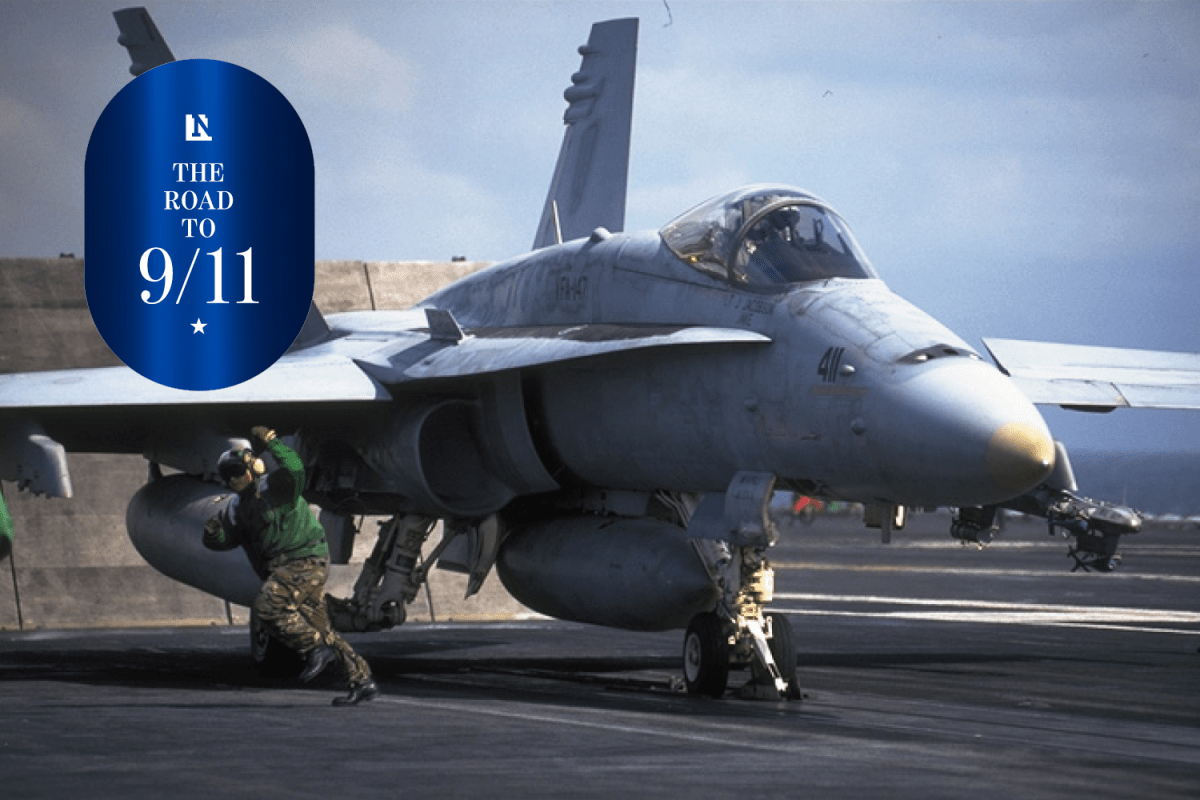
In the lead-up to the tragic events of September 11, 2001, significant military operations were already unfolding, with a particular focus on Iraq. This narrative explores the actions taken by the Bush administration during August 2001, emphasizing their implications for U.S. foreign policy and military engagement.
Military Engagement in Iraq Pre-9/11
By mid-August 2001, the United States was deeply involved in an active military campaign against Iraq. The ongoing situation included continuous air patrols over the region, maintained by around 20,000 American troops stationed in neighboring countries like Kuwait and Saudi Arabia. These operations aimed to enforce no-fly zones, which had been established to limit Iraqi air capabilities. The situation was further complicated by an escalation in Iraq’s aggressive military maneuvers, particularly concerning its air defense systems.
On August 14, U.S. fighter jets targeted crucial Iraqi communication facilities, believed to have been upgraded with advanced technology. This operation aimed to disrupt Iraq’s ability to coordinate its air defenses, enhancing the safety of U.S. aircraft in the region. The attacks were part of a broader strategy to weaken Iraq’s military infrastructure, which had shown an alarming capacity to modernize in response to international tensions.
Escalation of Hostilities
Throughout 2001, tensions intensified as Iraq began to actively engage U.S. and British aircraft patrolling its skies. There were numerous incidents of Iraqi forces targeting these planes, as the number of aggressive actions by Iraqi gunners sharply increased compared to previous years. This provocation led the Pentagon to adjust its military rules of engagement, allowing for a more reactive and flexible response. U.S. military leadership encouraged pilots not to merely defend themselves but to prepare for retaliatory strikes against broader targets.
By the end of August, Iraqi claims of successfully shooting down an American reconnaissance drone highlighted the increasing risks and consequences of this escalating military engagement. While the U.S. officials were reticent to confirm these claims, the incident underscored the ongoing confrontations between the two nations. Consequently, military strikes against Iraqi air defense sites were rapidly authorized.
Strategic Implications of Pre-9/11 Actions
These military actions against Iraq took place under the shadow of the impending attacks on September 11. While the Bush administration shifted public attention towards terrorism and Al-Qaeda in the aftermath of 9/11, significant military resources and focus had already been directed toward Iraq long before the attacks. The airstrikes carried out in August were a manifestation of a military strategy that prioritized reshaping U.S. engagement in the Middle East and countering perceived threats from hostile nations.
The focus on Iraq in the summer of 2001 raises critical questions about the U.S. military priorities and diplomatic strategies leading up to 9/11. How much of this pre-emptive engagement was aimed at establishing a more comprehensive military policy, and how much was a response to the immediate aggressions of Saddam Hussein’s regime?
Reflecting on these events allows us to grasp the complexities of U.S. foreign policy during that era. The military actions not only had immediate consequences but also set the stage for the political and military landscape that would follow in the subsequent years after 9/11. Understanding this context is essential for analyzing the motivations behind U.S. actions in the region and their long-term implications.