
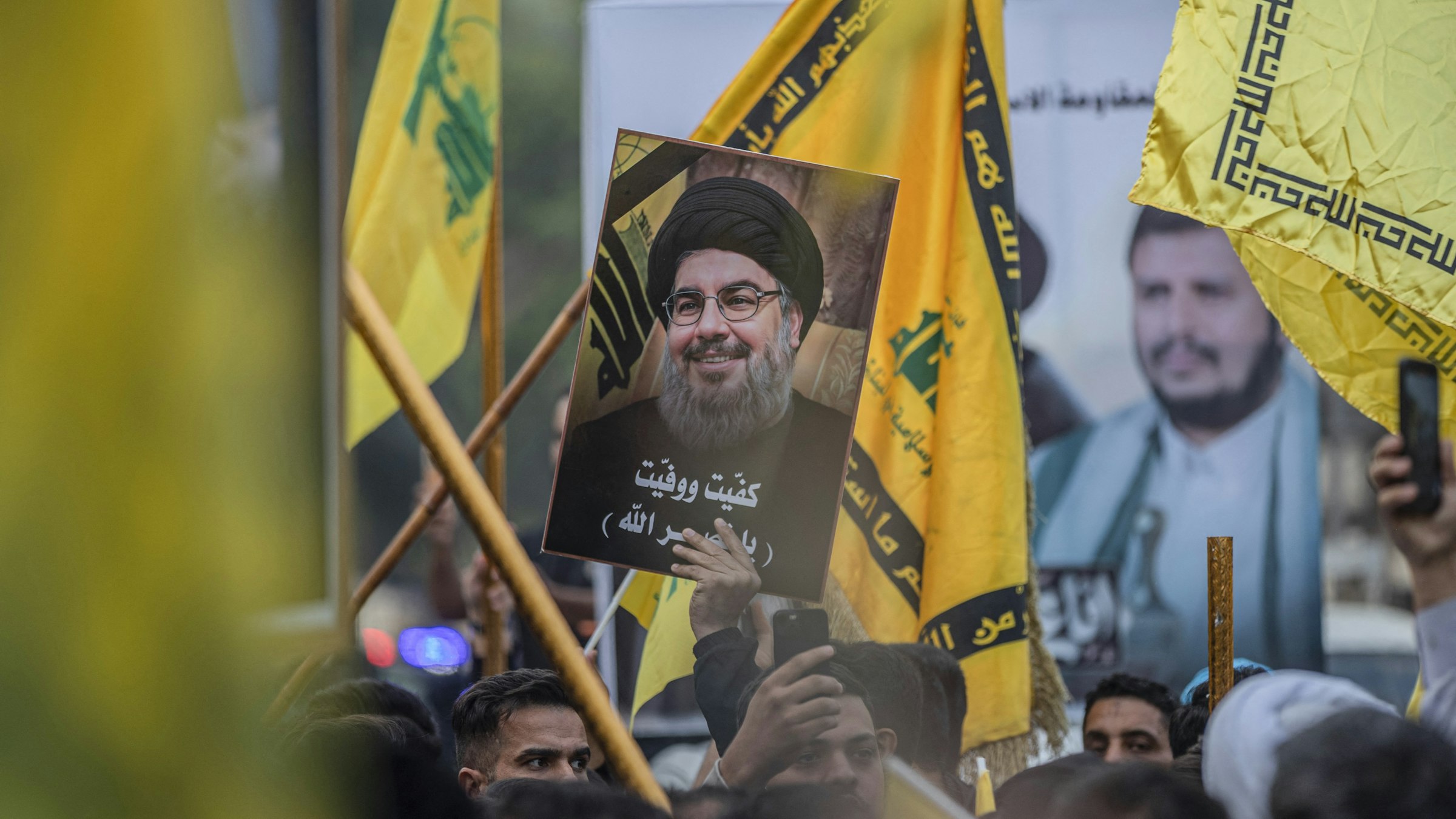
The relationship between Iraq and Lebanon’s Hezbollah movement has been a focal point of political dynamics in the region since the fall of Saddam Hussein in 2003. Historically, subsequent Iraqi administrations have kept strong connections with Hezbollah, but recent events suggest that this alliance may be undergoing a significant transformation. Notably, Iraq’s Finance Ministry has recently taken steps that could indicate a shift in policy, particularly concerning U.S. sanctions against Hezbollah.
New Developments in Iraq’s Policy Toward Hezbollah
In mid-July, the Iraqi Finance Ministry issued a directive to banks requiring them to comply with U.S. Treasury sanctions targeting individuals and businesses associated with Hezbollah. This action seems to align with recent announcements from Washington regarding anti-terrorism financing, which have redefined certain individuals and entities linked to the Lebanese group as designated terrorists. This unexpected regulatory shift could signal a growing rift between Iraq and Hezbollah, challenging the long-standing alliance that has characterized their relationship since 2003.
Implications of U.S. Sanctions on Iraqi Finance
The implications of enforcing U.S. sanctions could be far-reaching for Iraq’s financial landscape. Compliance with such regulations may create tension among Iraqi officials who have traditionally been supportive of Hezbollah. The directive could strain relationships at multiple levels—between Iraqi banks and those associated with Hezbollah, as well as between Iraqi lawmakers and constituents who view Hezbollah favorably. This situation raises significant questions about the future of U.S.-Iraq relations and how they may influence regional alliances, particularly with Iran, which has been a key supporter of Hezbollah.
Regional Reactions and Political Ramifications
The political ramifications of this policy change are immense. Supporters of Hezbollah in Iraq may feel alienated by a government that seems to capitulate to U.S. pressures. This may not only affect public opinion but also alter the inter-political balance within Iraq itself, prompting discussions about national sovereignty and foreign influence. Furthermore, other factions and militias within Iraq may react to this shift in various ways, either by increasing their support for Hezbollah or pushing back against what they may see as an infringement on Iraqi independence.
The Future of Iraq-Hezbollah Relations
While it remains uncertain what the long-term effects of this policy change will be, the recent developments indicate a possible declination in the previously solid ties between Iraq and Hezbollah. As Iraq navigates the complex landscape of international relations, the need to balance its longstanding allegiances with emerging geopolitical realities will be crucial. Observers will closely monitor how the Iraqi government responds to both internal pressures and international obligations, as these factors will undoubtedly shape the future of Iraq’s relationship with Hezbollah.
In summary, the alignment of Iraq’s financial policies with U.S. sanctions against Hezbollah could signify a critical pivot in Iraqi politics, underscoring the significance of international relations in determining national policy. As regional dynamics continue to shift, the response from various factions within Iraq will likely influence not only the future of its alliance with Hezbollah but also the wider geopolitical landscape of the Middle East.