
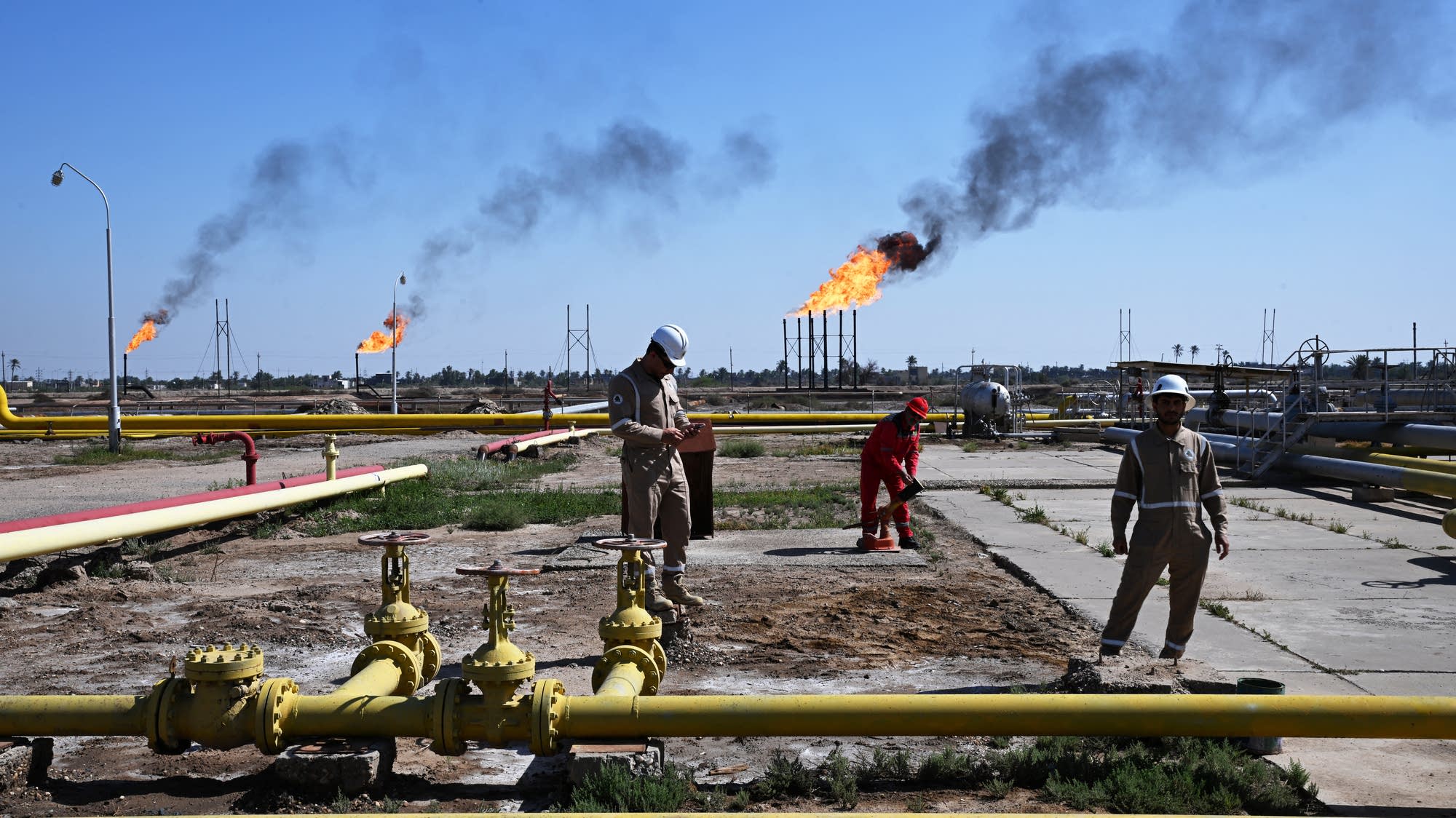
Chevron is currently in discussions with the Iraqi government to establish a crude oil transportation route that bypasses the Strait of Hormuz. This emerging shipping option may involve new pipelines that would connect Iraq through Syria and lead directly to the Mediterranean region.
Details Surrounding the Proposed Deal
Presently, the specifics of this potential deal are unclear. It can be described as a “pre-deal-deal,” reflecting a commitment to explore the possibility of an actual agreement. Alan Gelder, the senior vice president of refining, chemicals, and oil markets at Wood Mackenzie, noted that the ambiguity surrounding the proposal signifies its complexity. Entering into such a deal would require cooperation among multiple governments in a region known for its political instability, along with the need to determine funding responsibilities.
Challenges and Project Timeline
Gelder emphasizes that while there is interest in the project, the negotiation process will not be quick. However, once a deal is reached, the construction phase could proceed swiftly. Hugh Daigle, a petroleum engineering professor at the University of Texas at Austin, pointed out that installing a pipeline is not particularly complicated. Interestingly, there is already a pipeline running through Syria, though it has been inactive since 2003, following the U.S. invasion of Iraq.
If all conditions align favorably, Daigle suggests that the new pipeline could be operational within a few years. Nevertheless, he cautions that this would not entirely resolve the broader oil logistics dilemma. Currently, around 20 million barrels transit through the Strait of Hormuz each day when fully operational; this new pipeline might only facilitate the movement of 2 million barrels. While this represents a notable contribution, it would require several similar pipelines to compensate for the existing disruptions in the region.
The Broader Implications for the Oil Market
Daigle adds that even if this project does not come to fruition, it carries significant implications for the oil market. It indicates a growing perception among oil companies and producers regarding the potential for a lengthy conflict, which may result in lasting alterations in oil transportation from the area. As Chevron weighs its options—potentially committing billions of dollars to this initiative—it highlights the seriousness with which oil firms are considering the evolving geopolitical landscape.
Ultimately, this venture might signal a more permanent change in how oil flows out of this politically tumultuous region, affecting global oil supply and pricing in the long term.