
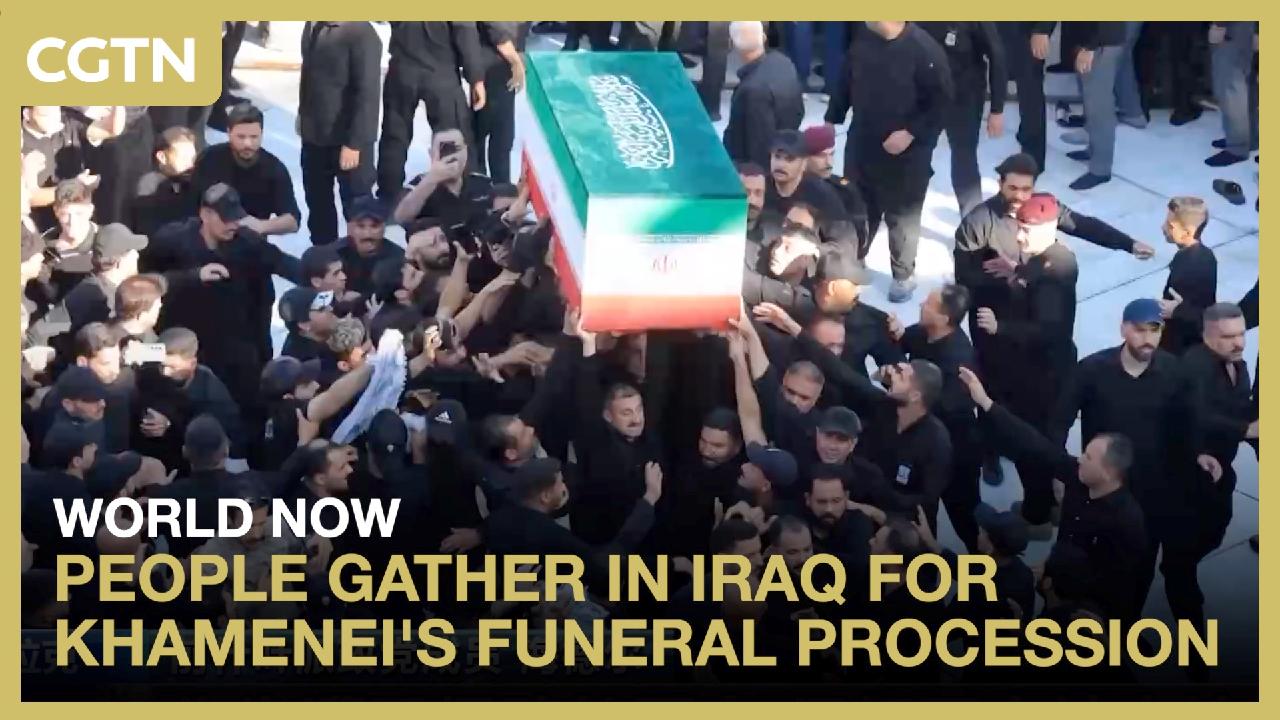
On July 8, memorial services to honor the late Iranian Supreme Leader Ayatollah Ali Khamenei took place in the sacred cities of Najaf and Karbala, Iraq. The events drew large crowds, with many local residents participating enthusiastically. Attendees expressed their sentiments through chants that criticized the presence of foreign military forces led by the United States.
Significance of the Memorial Services
The memorial services for Khamenei underscore his influence not only in Iran but also across the broader region, particularly in Iraq. As a leader known for his staunch anti-Western stance, Khamenei’s death has prompted reactions from various factions within Iraq. The gatherings in Najaf and Karbala, which are both significant pilgrimage sites for Shiite Muslims, reflect the deep-seated connections between Iranian religious leadership and Iraqi communities.
Religious and political leaders in Iraq expressed their condolences, heralding Khamenei’s contributions to Shiite unity and resistance against foreign interference. These events serve as a poignant reminder of Khamenei’s legacy within the context of Middle Eastern politics and the ongoing challenges presented by external military pressures.
Local Response and Sentiment
The local response to the memorial services showcased the strong feelings of many Iraqis toward Khamenei’s leadership. Numerous attendees voiced their support for Iran’s regional policies, which align with the interests of various Iraqi political factions. As chants filled the air, it became evident that Khamenei’s influence has permeated beyond the Iranian border, fostering sentiments of solidarity among like-minded individuals.
The gatherings also highlighted the ongoing complexities in Iraq’s relationship with the West. Many participants articulated their views on the detrimental impact of foreign military presence in the region. This speaks volumes about the enduring legacy of Khamenei’s ideological positions, particularly his advocacy for resistance against external interference.
Broader Implications for Iran-Iraq Relations
The memorial events in Najaf and Karbala symbolize more than just a farewell to Khamenei; they represent a significant moment of reflection for Iran-Iraq relations moving forward. Khamenei had always emphasized the importance of maintaining a strong alliance with Iraq, which he viewed as a bulwark against Western influence. The turnout at the services suggests that many Iraqis share this perspective, underscoring the potential for continued collaboration.
This solidarity may have future implications for political dynamics in Iraq, especially with the upcoming elections. The events could catalyze more coordination between Iranian-backed political factions in Iraq and serve as a unifying factor among those who oppose foreign intervention. As the region navigates this transitional phase following Khamenei’s passing, the bond between these nations may evolve, reflecting a complex interplay of shared interests and ideological alignment.
In summary, the memorial for Ayatollah Ali Khamenei held in Najaf and Karbala has sparked significant local engagement, revealing deep-rooted sentiments among Iraqis. It illuminated the influence of Khamenei in shaping perceptions regarding foreign military presence, and it reinforced the importance of Iran-Iraq relations in a rapidly changing geopolitical landscape.