
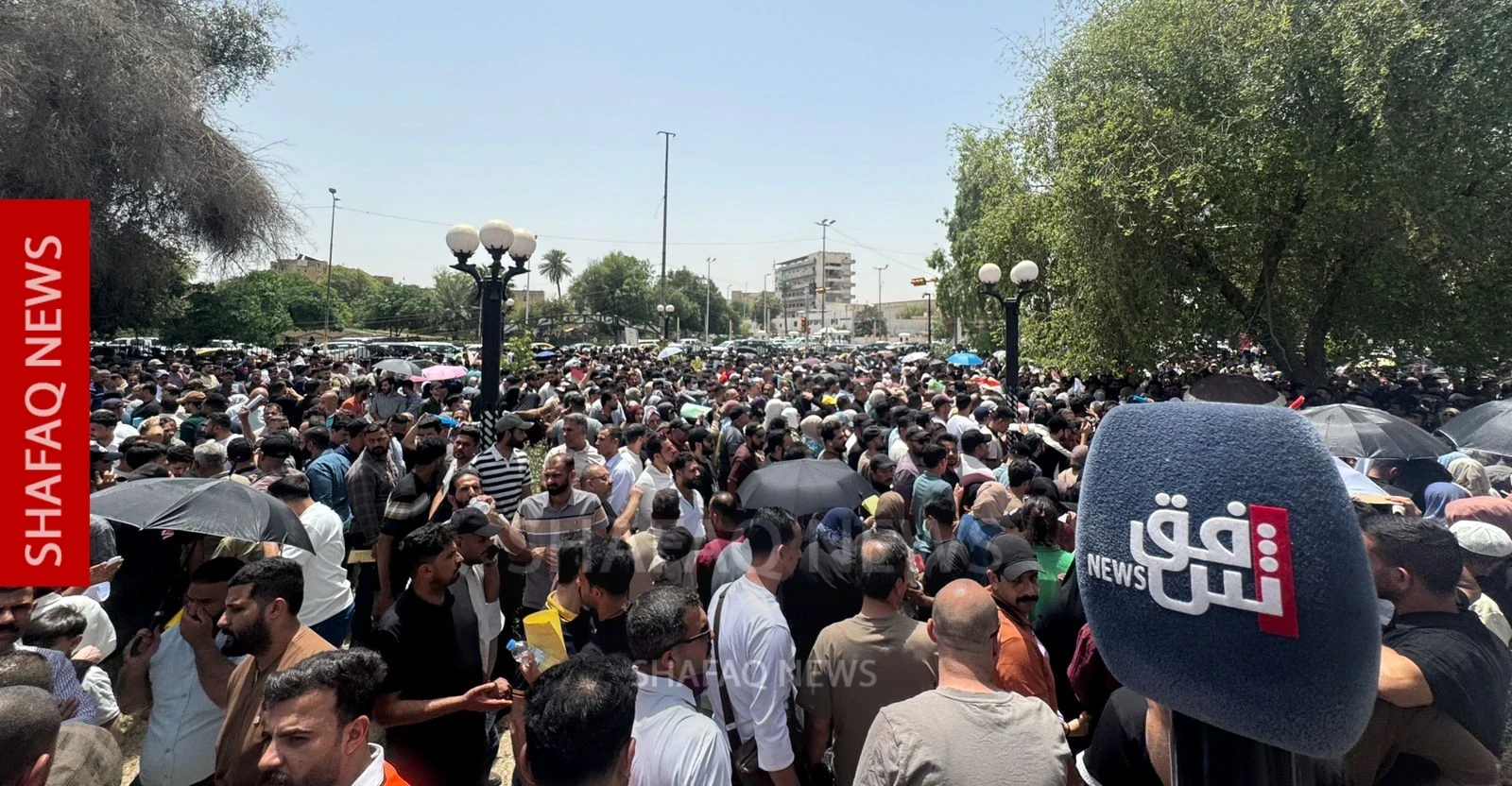
Iraq faces a significant challenge as approximately 200,000 graduates enter the job market each year, anticipating their degrees will lead to stable employment. Unfortunately, many discover that the labor market is unable to accommodate them, prompting a prolonged search for work that increasingly seems futile.
Job Market Dynamics in Iraq
Graduation often represents the beginning of an arduous journey for many young Iraqis, who find themselves competing for a limited number of government positions. A profound imbalance in the economy heavily influences this situation; while Iraq’s population has surged to 46.4 million, the job market remains sluggish, unable to provide sufficient opportunities. Oil accounts for 90-95% of government revenue, creating a capital-intensive industry that generates relatively few jobs compared to the number of new entrants into the workforce.
Historically, a government role was synonymous with financial security in Iraq, offering better pay and robust benefits. However, as public payrolls expanded, the number of available positions dwindled, creating a paradox where more graduates vie for fewer jobs. The increasing competition has forced many to settle for employment unrelated to their studies or even to seek opportunities abroad. This reality stands in stark contrast to the continued growth of educational institutions, where access to university and technical programs has expanded dramatically over the past two decades.
The Education-Employment Gap
Despite the influx of graduates, a significant disconnect persists between educational outcomes and the needs of the economy. As noted by Mudher Saleh, an economic advisor to the prime minister, there is a pressing need for diversification into manufacturing, technology, and service industries, but these sectors haven’t scaled sufficiently to accommodate the rising workforce. The reliance on oil and an underdeveloped private sector creates a constricted job market, leaving many graduates questioning the value of their qualifications.
The statistics are sobering. Youth unemployment rates hover between 28% and 32%, significantly outpacing the overall unemployment rate of approximately 13%. This can be attributed to a combination of systemic issues, where political mismanagement and economic constraints have limited job creation and hindered the effective utilization of Iraq’s available resources. As international economist Nawar al-Saadi points out, a shift from a quota-based system to merit-based evaluations is essential for fostering true development.
The Role of Protests in Shaping Policy
Amid these economic struggles, many young Iraqis have taken to the streets in protest, demanding job opportunities and accountability from the government. Regular demonstrations in Baghdad and other provinces spotlight the dire employment situation, as graduates express their frustration over ongoing unemployment. The complaints voiced during the protests have echoed through recent years, emphasizing the pervasive discontent with corruption and ineffective governance.
Political parties often bear significant responsibility for exacerbating these issues. Successive governments have failed to establish robust economic frameworks or create a conducive environment for business. This lack of foresight has resulted in stunted job creation, ultimately leaving new graduates facing a bleak job market. Reforms aimed at diversifying the economy and reducing the public sector’s overwhelming influence remain stalled, with little progress in sight.
Future Prospects and Economic Diversification
Although Iraq has inked numerous high-profile deals in sectors like energy and infrastructure, many projects face significant delays or cancellations, limiting potential job growth for the expanding workforce. Experts argue that sustainable job creation is not only a matter of expanding existing sectors but also redirecting investments into productive industries that can generate long-lasting employment.
In conclusion, the Iraqi government acknowledges the urgent need for economic reforms, including a vision for “Iraq 2050” that seeks to lessen the dependence on oil and foster a robust private sector. However, without tangible action to diversify the economy and support the development of industries, the cycle of unemployment is unlikely to break, leaving many young graduates still searching for their place in a rapidly evolving job landscape. The future hinges on whether existing political structures will embrace the necessary changes to foster genuine economic growth.