
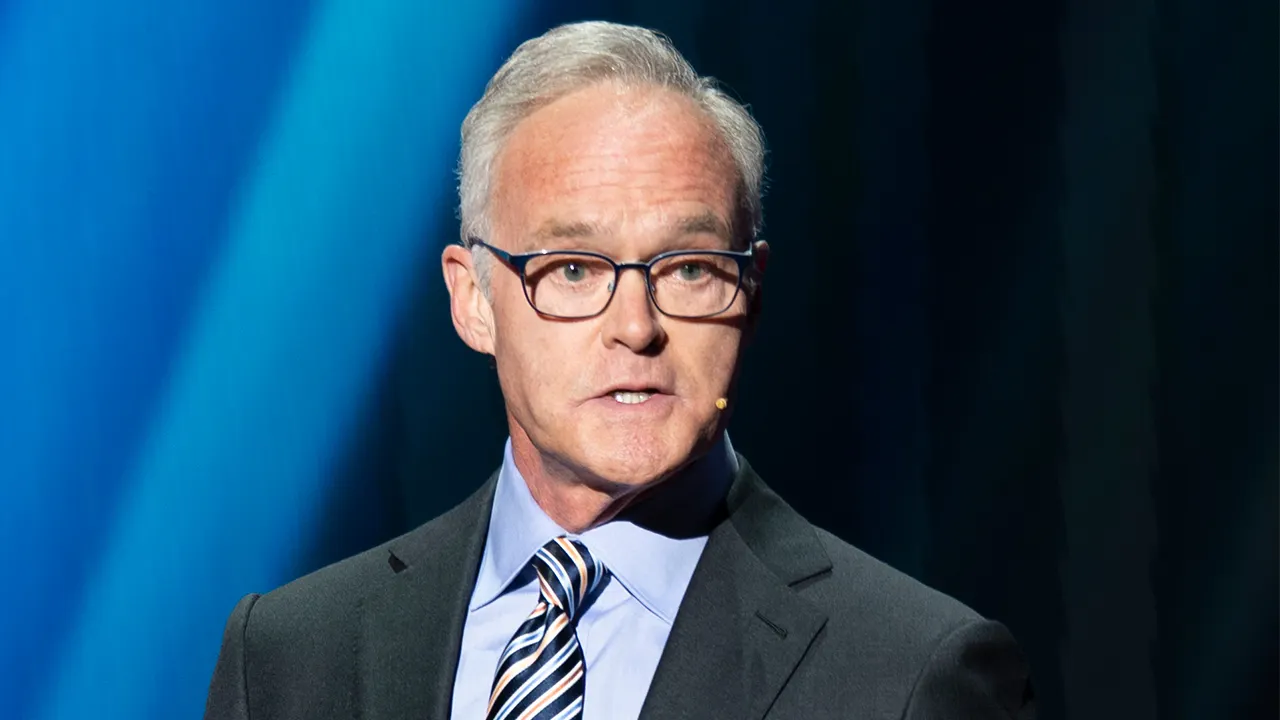
Veteran journalist Scott Pelley, known for his role on CBS’s iconic program “60 Minutes,” recently found himself at the center of controversy following his dismissal from the network. His firing comes after a turbulent confrontation with CBS News’s Editor-in-Chief Bari Weiss and the newly appointed executive producer of “60 Minutes,” Nick Bilton. The incident has raised questions about workplace dynamics and alleged biases within major news networks.
Conflict and Dismissal at CBS
Pelley’s exit marks a significant shift within CBS News as he departed amid claims that Weiss had “murdered” the program. The tension escalated during an all-staff meeting where Pelley confronted Bilton, questioning his qualifications for the role, given his background in documentary filmmaking rather than traditional journalism. This clash is reported to have contributed heavily to his eventual termination. Pelley, who had been with CBS since 1989, faced intense scrutiny for his comments and accusations regarding newsroom practices.
Controversial Claims and Public Backlash
In a striking turn of events, after his dismissal, Pelley claimed to have been “in combat” while reporting from various conflict zones such as Afghanistan, Iraq, and Ukraine. These statements drew immediate backlash online, with many accusing him of “stolen valor.” Critics were quick to remind him that he had no military service, which led to heated debates surrounding journalistic integrity and the nature of reporting from the field. Social media reactions varied drastically, with some asserting that Pelley’s comments were offensive to those who have genuinely served in combat.
BBC’s Response and Industry Implications
CBS News has firmly denied Pelley’s allegations that the network pressured him to insert bias into his stories since Weiss took over. A spokesperson for CBS indicated that routine exchanges between editors and reporters often occur, and they denied any claims of political influence affecting journalism quality. This incident raises substantial points about editorial responsibility, the role of leadership in major news organizations, and the expectations placed on seasoned journalists like Pelley.
The Future of Journalism at CBS
The fallout from Pelley’s termination could have lasting effects on CBS News and the wider journalistic community. As networks evolve and adapt to new leadership, questions arise regarding editorial direction and the impact on operational integrity. With Weiss and Bilton at the helm, the challenge remains in balancing modern media pressures while maintaining the organization’s journalistic standards. This incident serves as a reminder of the complexities surrounding high-profile journalism and the consequences of personal clashes at the executive level.
As the landscape of media continues to change, industry observers will likely keep a close eye on CBS News’s future moves and how they may reshape audience perceptions of credibility and trustworthiness in journalism.