
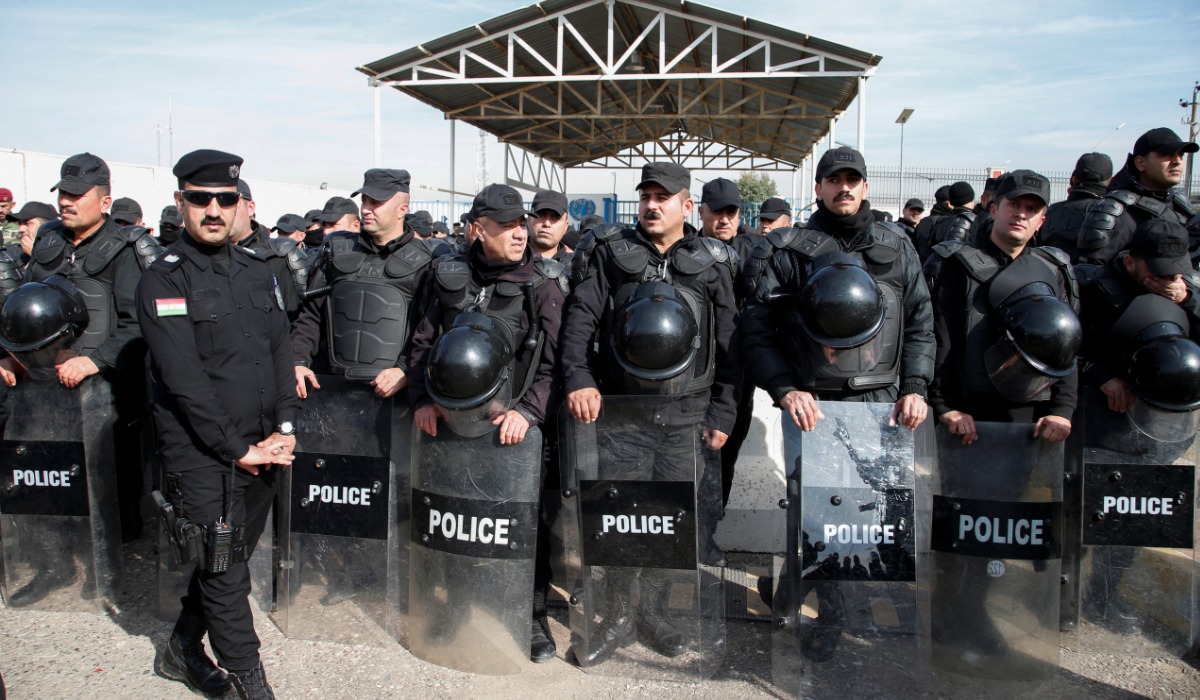
Introduction to Drone Attacks on Kurdish Opposition
Recent developments highlight the alarming rise in drone strikes targeting Iranian Kurdish opposition camps in the vicinity of Iraq’s Irbil. Security officials have reported significant incidents, raising concerns about the ongoing tensions in the region. This situation underscores the complexities of geopolitical relationships and the implications for regional stability.
The Impact of Drone Warfare in Iraq
In an era where drone technology is reshaping modern warfare, the recent attacks on Kurdish opposition entities emphasize a critical shift in combat tactics. These aerial assaults allow for increased precision and a lower risk to the attacking forces, thereby enabling state actors to engage in covert operations with relative anonymity. Such advancements in offensive capabilities not only multiply the threats faced by opposition factions but also complicate the political landscape in Iraq and its surrounding areas.
Security sources confirm that the drone strikes primarily target areas where Iranian Kurdish groups have established bases. This targeted approach signals a definitive strategy by governmental forces in Iran to suppress dissenting voices within their borders, particularly those that seek refuge in neighboring Iraq. The resulting atmosphere of fear and uncertainty among Kurdish groups can lead to heightened tensions, posing a significant risk of further violence and retaliation.
The Geopolitical Context of Kurdish Opposition
Understanding the background of Kurdish resistance is essential to grasp the full implications of these drone attacks. The Kurdish population, divided mainly between Iraq, Syria, Turkey, and Iran, has long aspired for autonomy and recognition of their rights. Iranian Kurdish opposition groups have often sought to undermine the Iranian government’s authority, leading to periodic crackdowns and military responses.
The recent drone attacks on these camps highlight the Iranian government’s resolve to counteract what it perceives as a threat to its national security. This aggressive military response could further alienate the Kurdish population, potentially igniting a wider conflict that incorporates various factions within Iraq and beyond. The volatile situation serves as a reminder of the delicate balance that exists in the region, where ethnic tensions, political aspirations, and international influences converge.
Future Implications for Regional Stability
The ramifications of these drone strikes extend beyond immediate military objectives. They engender a cycle of violence that undermines long-term peace efforts and creates further rifts among ethnic groups in the region. As Kurdish factions seek to regroup and defend their positions, the prospect of retaliatory attacks could escalate into broader confrontations, drawing in neighboring nations and complicating diplomatic efforts.
International observers and governments must closely monitor these developments, as they could have profound implications for regional stability. A proactive approach that encourages dialogue among opposing factions may help mitigate the cycle of violence. Moreover, international pressure on Iran to restrain its military responses could pave the way for a more peaceful resolution to the ongoing conflicts that affect not only the Kurdish population but also regional dynamics as a whole.
In conclusion, the drone attacks on Iranian Kurdish opposition camps represent a critical juncture in the ongoing struggle for autonomy and recognition. Balancing military aggression with diplomatic efforts will be essential to prevent further escalation and foster a path toward lasting peace in the region.