
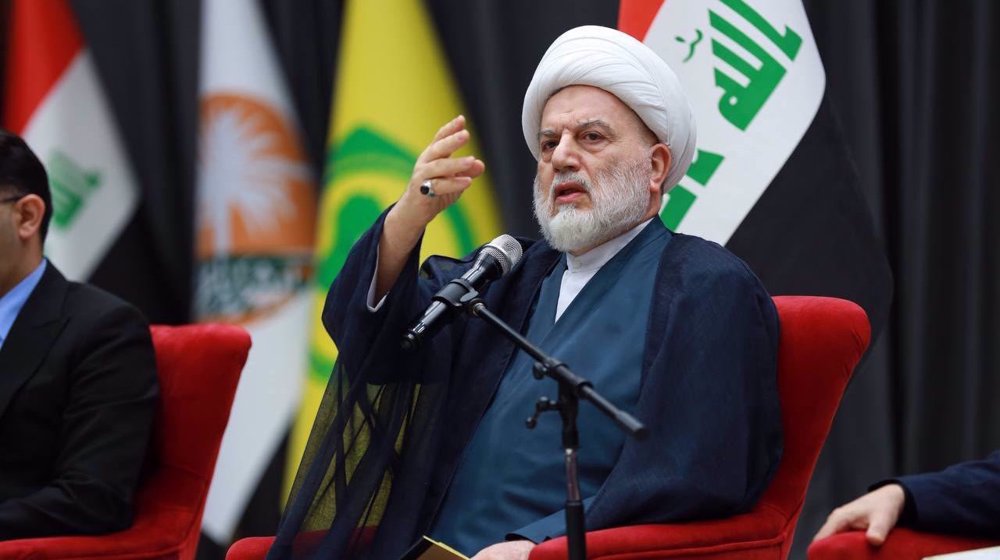
The political landscape of Iraq remains intricate, with the Shia factions at the center of ongoing discussions. Sheikh Humam Hamoudi, the leader of the Islamic Supreme Council of Iraq, has recently made statements underscoring the resilience and unity of Shia political groups. He believes that efforts to create discord among these factions will ultimately fail, as they are rooted in a misunderstanding of Iraq’s social and political dynamics.
Resilience of Shia Unity
Sheikh Hamoudi asserted the importance of the Coordination Framework, which represents the largest parliamentary bloc in Iraq. This coalition is beginning to take on more structured roles through various specialized committees, indicating a move towards greater formal authority. There are concerns among political leaders that certain entities are attempting to incite division among Shia factions, supposedly in the name of national interest. However, Sheikh Hamoudi emphasized that such actions aim to diminish the political and social influence of Shia leaders, which he denounced as a malicious conspiracy. He expressed optimism about the Shia community’s awareness and adherence to its core religious values, suggesting that these foundational elements will shield against sectarian strife.
Threats from External Forces
Sheikh Hamoudi also warned of external threats, particularly from Israel, which he views as an adversary to Iraq. He stressed the necessity for all sections of Iraqi society to remain vigilant against potential undermining tactics from foreign powers, particularly those that seek to weaken regional nations. This vigilance is crucial not only for protecting Iraq’s sovereignty but also for preserving the spirit of resistance that defines the nation. The call for unity resonated through his remarks, highlighting the need to strengthen national military capacity to protect citizens and interests without political interference.
The Nature of Governance in Iraq
In statements reflecting on governance, Sheikh Hamoudi clarified that Iraq is not under Shia dominance; rather, it is governed through a consensual coalition system involving various political parties. This perspective aims to quell any misconceptions that may arise about a singular sect controlling the government. The aim is to build a robust state apparatus that genuinely represents the interests of all citizens, regardless of their political or sectarian affiliations.
Efforts Towards Disarmament and State Control
Significant steps are being taken to establish state control over weaponry. On August 11, Prime Minister Ali Al-Zaidi instructed officials to draft a bill aimed at placing arms exclusively under state authority. This move came during discussions with Khalid al-Obeidi, the head of the Iraqi Parliament’s Security and Defense Committee, focusing on the need for security and stability across the nation. This effort is further complemented by the establishment of a committee dedicated to restricting weapons to state control, reinforcing the resolve to unify Iraq’s military under recognized institutions.
Simultaneously, while some Iraqi resistance groups like Saraya al-Salam and Asa’ib Ahl al-Haq express a willingness to integrate into the official armed forces, factions like Kata’ib Hezbollah have indicated their intent to maintain autonomy over their “resistance weapons.” This duality highlights the challenges facing the Iraqi government as it navigates complex internal dynamics, including factional loyalties and the overarching goal of a cohesive military framework.
In conclusion, Iraq stands at a pivotal moment, striving for unity amid diversity. The efforts of Sheikh Hamoudi and other leaders indicate a commitment to overcoming division and fostering a stronger national identity. The balance between state control and the autonomy of various factions will be crucial in shaping Iraq’s future stability and governance.